If you search online for ways to improve indoor air quality, you’ll quickly notice one issue: air purifiers and HVAC filters are often presented as competing solutions. They’re not. They are built for different purposes, solve different problems, and deliver results in different ways.
This misunderstanding is why many homeowners upgrade a filter or buy an air purifier and still feel underwhelmed. The product isn’t always the problem – the expectation is.
This guide explains how air purifiers and HVAC filters actually work in real homes, when each one makes sense, and how to choose the right option without wasting money.
Why This Comparison Matters
Indoor air quality is no longer a niche concern. Allergies, asthma, wildfire smoke, dust buildup, and rising energy costs have pushed homeowners to look for better solutions. The problem is that indoor air doesn’t move evenly, and not all pollutants behave the same way.
Some rooms are used more often than others. HVAC systems don’t run constantly. Certain particles stay airborne longer. If you don’t account for these realities, even the “best” solution can fall short.
What an HVAC Filter Is Actually Designed to Do
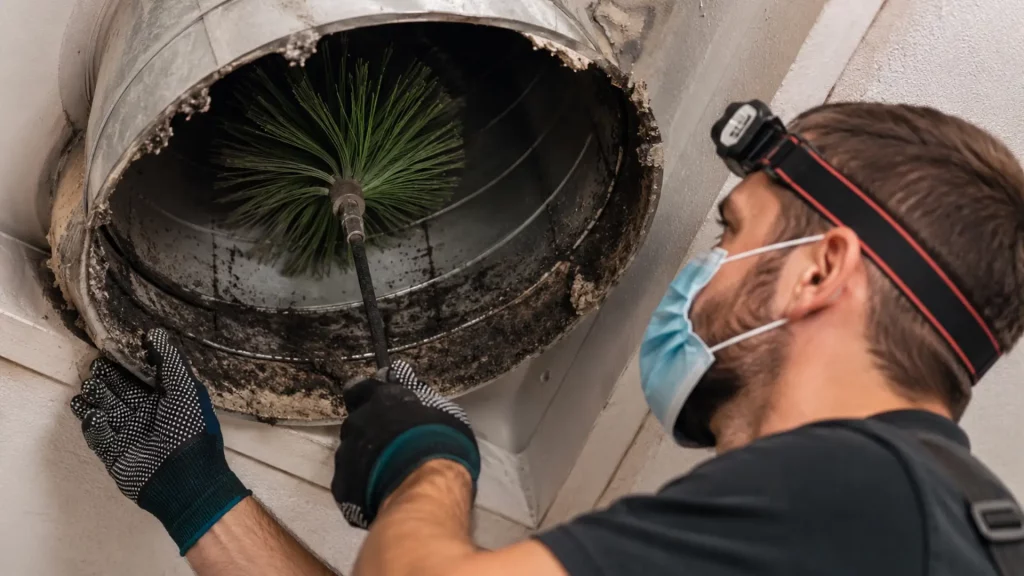
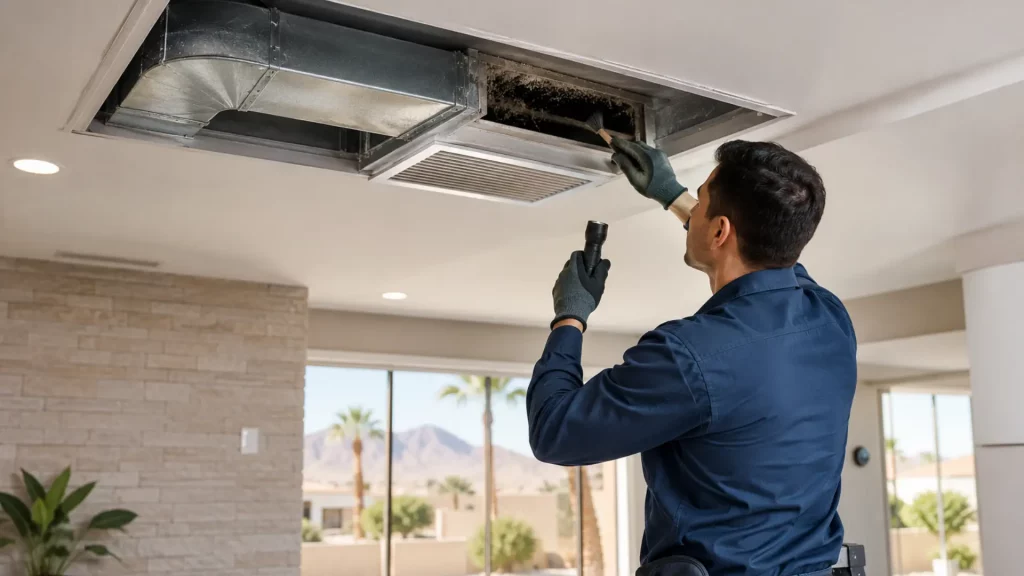
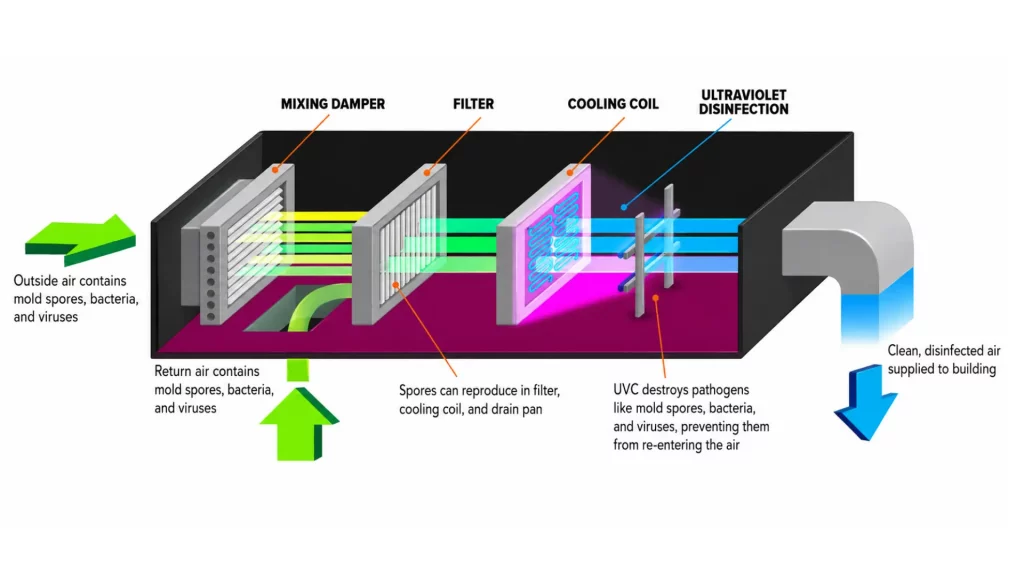
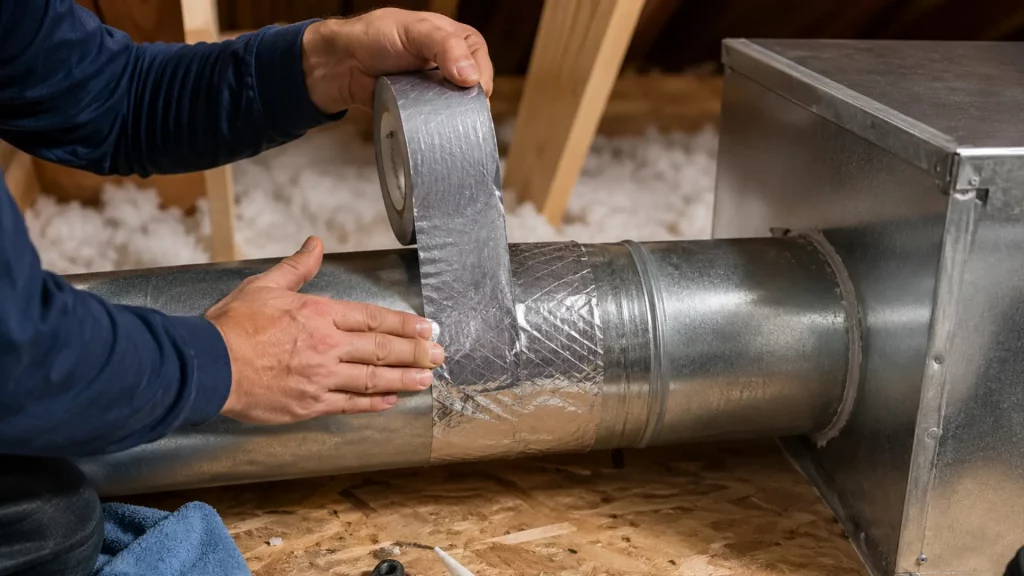
An HVAC filter is installed inside your heating and cooling system, usually at the return duct or air handler. Its primary job is to protect the system itself.
As air circulates, the filter captures larger particles like dust and debris before they reach internal components. This helps prevent:
- Dust buildup on coils and blowers
- Reduced system efficiency
- Premature wear and breakdowns
While HVAC filters do improve overall air cleanliness, that benefit is secondary. Most residential systems are designed for moderate filtration. Using filters that are too restrictive can reduce airflow, increase energy usage, and create comfort issues.
In simple terms, HVAC filters keep your system running properly first — and clean the air incidentally.
What an Air Purifier Is Built to Do
An air purifier has a different goal: cleaning the air you actually breathe in a specific space.
A standalone air purifier continuously pulls air from a room, passes it through one or more filtration stages, and releases cleaner air back into that room. Many effective models use HEPA filtration, which captures fine particles that standard HVAC filters are not designed to handle.
Air purifiers are particularly effective at reducing:
- Pollen and allergy triggers
- Pet dander
- Smoke and fine particulate matter
- Mold spores in localized areas
Because they operate independently, air purifiers continue working even when heating or cooling systems are off. This is why people often notice faster, more tangible results when using them in bedrooms or living areas.
Also Read: Whole House Humidifier vs Smart Humidifier
The Key Difference Most Homeowners Miss
The real difference between an air purifier and an HVAC filter isn’t technology — it’s coverage and timing.
An HVAC filter only cleans air when the system is running and only as air moves through ductwork. Rooms with poor airflow, closed doors, or limited return vents may see little benefit.
An air purifier focuses on a single room and cleans the air continuously, regardless of HVAC runtime.
This explains why upgrading an HVAC filter may reduce dust overall, yet a bedroom still feels stuffy or triggers allergies at night.
When an HVAC Filter Upgrade Makes Sense
Focusing on your HVAC filter is the right move if your primary concern is system efficiency and general dust control. It works best when:
- Dust buildup is visible throughout the home
- You want to protect heating and cooling equipment
- The HVAC system runs regularly
- You prefer a low-maintenance, whole-home baseline solution
A correctly rated filter, changed on schedule, supports consistent airflow and lowers long-term maintenance costs. Just don’t assume that the highest-rated filter automatically means better results.
When an Air Purifier Is the Better Choice
An air purifier is the smarter option when the issue is personal, localized, or health-related. It’s especially useful if:
- Someone in the home has allergies or asthma
- Outdoor pollution or smoke affects indoor air
- Pets contribute to dander and odors
- You want cleaner air while sleeping or working
In these cases, a room-based solution often outperforms whole-home filtration because it targets exposure where it matters most.
Also Read: Whole House Humidifier vs Portable Humidifier
Do You Need Both?
Sometimes, yes.
The idea that you must choose one solution is misleading. In many homes, the best results come from using both intentionally.
A practical setup looks like this:
- A properly rated HVAC filter to manage system airflow and general dust
- One or two air purifiers placed in high-use or high-sensitivity rooms
This approach improves breathing comfort without overloading the HVAC system.
Final Takeaway
Air purifiers and HVAC filters are not interchangeable. One supports your HVAC system and reduces general dust. The other focuses on the air you breathe in specific rooms.
If you want meaningful improvement, don’t ask which product is “better.”
Ask where the problem exists, how often the air is being cleaned, and who is most affected.
That mindset leads to better air — and better decisions.
Frequently Asked Questions
1. Can an HVAC filter replace an air purifier?
No. HVAC filters only work when the system is running and are designed mainly for equipment protection. Air purifiers continuously clean air in specific rooms.
2. Is a higher-rated HVAC filter always better?
No. Filters that are too restrictive can reduce airflow, increase energy use, and create comfort issues if the system isn’t designed for them.
3. Where should an air purifier be placed?
Bedrooms, living rooms, or home offices are ideal. Placement works best in rooms where people spend the most time.
4. How often should filters be replaced?
HVAC filters usually need replacement every 1–3 months. Air purifier filters typically last 6–12 months, depending on usage and air quality.
5. Do air purifiers help with smoke and odors?
Yes. Models with HEPA and activated carbon filtration are effective at reducing smoke particles and common household odors in enclosed spaces.