If you suffer from allergies or asthma, you have probably wondered whether the air inside your home is making your symptoms worse. Sneezing that starts the moment you wake up, chest tightness at night, or congestion that never fully clears often points to one thing: indoor air quality.
Air purifiers are frequently recommended as a solution, but they are also surrounded by exaggerated claims. Some promise instant relief, others suggest they can replace medication. The truth sits somewhere in between. To understand whether air purifiers are actually worth it for allergies and asthma, you need to look at how indoor air affects respiratory health and what these devices realistically do.
Why Indoor Air Matters More Than Most People Think
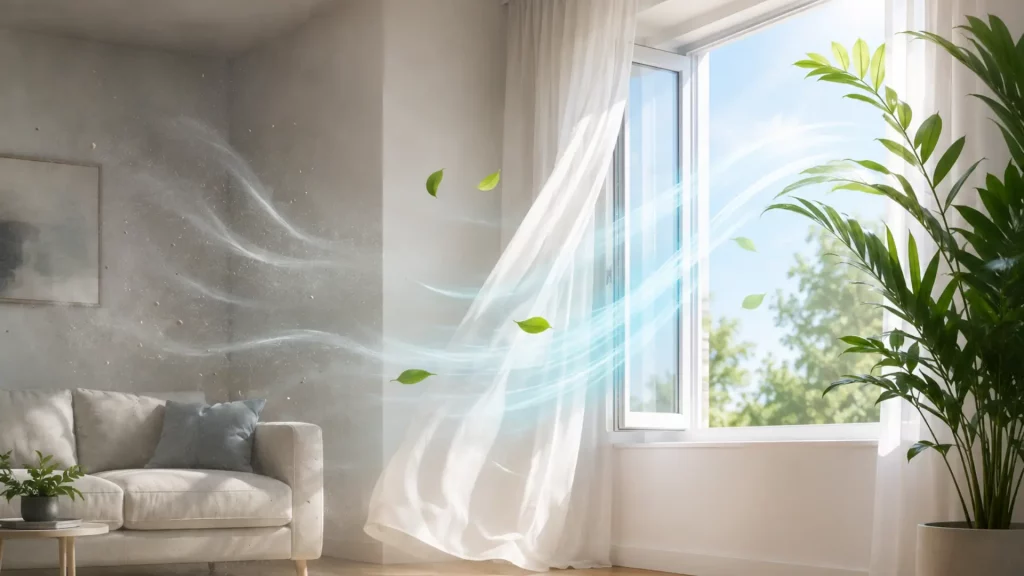
Indoor air can be more polluted than outdoor air, especially in modern homes that are tightly sealed. Allergens like dust mites, pollen, pet dander, and mold spores build up over time. Everyday activities such as cooking, cleaning, burning incense, or even walking across carpets release fine particles back into the air.
For people with allergies, this constant exposure keeps the immune system activated. For asthma sufferers, airborne irritants can inflame the airways and increase the risk of attacks. Because people spend many hours indoors, especially while sleeping, even moderate indoor pollution can have a noticeable impact on symptoms.
What an Air Purifier Actually Does
An air purifier works by pulling air from the room, passing it through filters, and releasing cleaner air back into the space. The effectiveness of a purifier depends almost entirely on its filtration system.
For allergies and asthma, true HEPA filtration is the most important feature. These filters are designed to capture extremely small particles that commonly trigger symptoms, including pollen, dust, pet dander, and mold spores. Some air purifiers also include activated carbon filters, which help reduce odors and certain chemical pollutants that can aggravate asthma.
What matters is not marketing language but real performance. A purifier must be appropriately sized for the room and capable of cycling the air multiple times per hour to make a meaningful difference.
Also Read: How to Test Indoor Air Quality in Your Home
Do Air Purifiers Really Help With Allergies?
For many allergy sufferers, the answer is yes, with realistic expectations. Studies consistently show that HEPA air purifiers reduce airborne allergens in enclosed spaces. This reduction can lead to fewer symptoms, particularly nasal congestion, sneezing, and itchy eyes.
The biggest improvements are often seen when air purifiers are used in bedrooms. Overnight exposure to allergens can worsen symptoms because breathing is continuous and uninterrupted. Cleaner air during sleep often leads to better mornings, especially during high pollen seasons.
However, air purifiers do not remove allergens that are embedded in carpets, mattresses, or upholstery unless those particles become airborne. This is why people who rely only on an air purifier without cleaning or allergen control measures may feel underwhelmed by the results.
Are Air Purifiers Effective for Asthma?
Asthma management is more complex, but air purifiers can still be beneficial. Asthma symptoms are triggered not only by allergens but also by fine dust, smoke, strong odors, and microscopic pollution particles.
By lowering the concentration of these triggers indoors, air purifiers can help reduce how often asthma symptoms flare up. Medical and respiratory organizations often recognize HEPA air purifiers as a supportive tool for asthma, particularly in homes with pets, smokers, or high pollution exposure.
It is important to be clear about their role. Air purifiers do not treat asthma and should never replace prescribed medication or medical advice. They are part of environmental control, not a cure.
Also Read: What Does An Air Purifier Do, & How Do They Work?
What Air Purifiers Cannot Fix
One of the biggest reasons people feel air purifiers do not work is because expectations are too high. These devices have limitations.
- They do not remove allergens stuck to surfaces like bedding or furniture
- They cannot fix mold caused by moisture or water damage
- They do not eliminate outdoor pollution sources entering the home
- They cannot compensate for poor ventilation or smoking indoors
Understanding these limits helps set realistic expectations and avoid disappointment.
How to Choose the Right Air Purifier for Allergies and Asthma
Choosing the right air purifier makes a significant difference in results. The following factors matter more than brand names or aesthetics:
- A true HEPA filter, not HEPA-type or similar wording
- Coverage that matches or exceeds the actual room size
- A high clean air delivery rate for faster filtration
- Quiet operation for bedrooms and nighttime use
- No ozone-producing technology, which can worsen asthma
Maintenance is equally important. Filters must be replaced on schedule, or performance drops significantly.
When Air Purifiers Are Most Worth It
Air purifiers provide the most value in specific situations. Bedrooms are the most common and effective placement. Homes with pets, nearby traffic pollution, seasonal pollen exposure, or smokers benefit more than average. People with mild to moderate symptoms often notice improved comfort over time rather than immediate relief.
Used alongside regular cleaning, humidity control, and medical guidance, air purifiers can meaningfully improve indoor air quality and reduce symptom triggers.
Also Read: Air Purifier vs HVAC Filter
Final Verdict
Air purifiers are not miracle devices, but they are not gimmicks either. For people with allergies and asthma, a properly chosen air purifier can reduce airborne triggers and make daily life more comfortable. The key is understanding what they do, what they do not do, and using them as part of a broader indoor air quality strategy.
When expectations are realistic and the focus is long-term exposure reduction rather than instant results, air purifiers are often worth the investment.
Frequently Asked Questions
1. Do air purifiers help with nighttime allergy and asthma symptoms?
Yes, air purifiers are most effective at night when used in bedrooms. Reducing airborne allergens during sleep can improve breathing comfort and reduce morning symptoms.
2. How long does it take to notice benefits from an air purifier?
Most people notice gradual improvements over several days to weeks. Air purifiers reduce exposure over time rather than providing instant relief.
3. Can air purifiers remove pollen completely from a room?
Air purifiers significantly reduce airborne pollen but cannot remove pollen settled on surfaces. Regular cleaning is still necessary for full control.
4. Are air purifiers safe for people with asthma?
Yes, as long as they do not produce ozone. Ozone-free HEPA air purifiers are considered safe and are often recommended for asthma-sensitive environments.
5. Is one air purifier enough for an entire home?
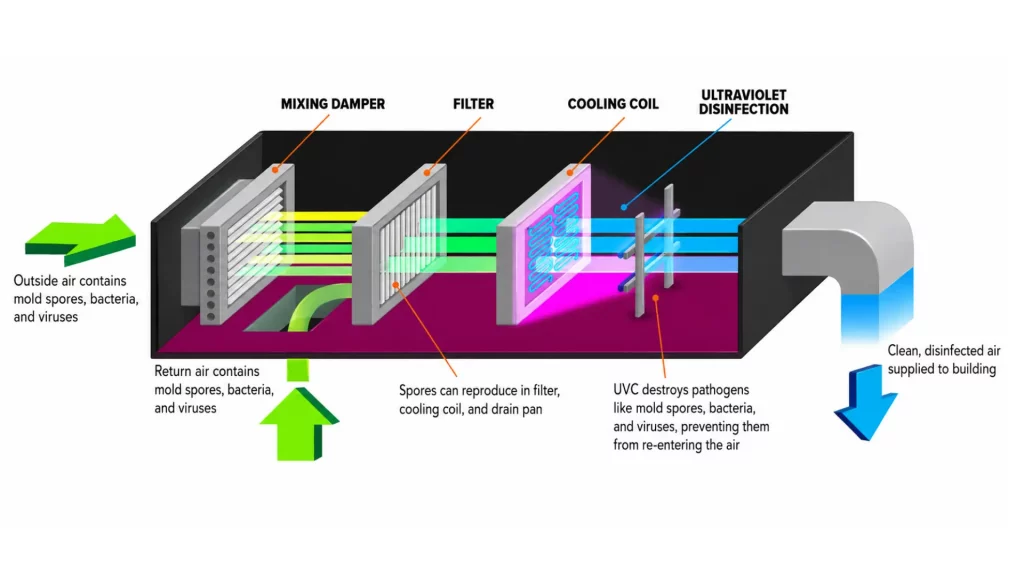
Usually not. Air purifiers work best in individual rooms. For whole-home coverage, multiple units or a dedicated HVAC filtration system is more effective.