A gurgling sound from a drain after flushing the toilet can be easy to dismiss at first. It often happens quietly, usually when the house is still, and it may seem more annoying than serious. But in plumbing, sounds are rarely meaningless.
When a drain gurgles after a flush, it usually means air is moving through the system in a way it should not. While the toilet may continue to work for now, the noise often signals a developing problem that can affect drainage, indoor air quality, and even the health of your plumbing system over time.
Understanding why this happens helps you decide whether it is a simple fix or a sign that professional attention is needed.
What the Gurgling Sound Is Telling You
Plumbing systems rely on balance. Water needs to move out, and air needs to move in. When you flush a toilet, a surge of water travels through the pipes. Vent pipes allow air to enter the system so that water flows smoothly without creating suction.
If that airflow is restricted, the system looks for air wherever it can find it. The easiest place is often a nearby drain. As air is pulled through standing water in the pipe, it creates a bubbling or gurgling sound.
In most cases, the noise is a symptom of pressure imbalance rather than the problem itself.
Blocked Vent Pipes Are a Leading Cause
One of the most common reasons drains gurgle after flushing is a blocked plumbing vent. These vents typically run through the roof and are exposed to the elements year-round.
Over time, vent pipes can become obstructed by:
- Leaves and debris
- Bird or rodent nests
- Dirt buildup
- Ice in colder climates
When a vent is partially or fully blocked, air cannot enter the system fast enough. Flushing the toilet then creates negative pressure, pulling air through sink drains, tubs, or floor drains instead. This is why the sound often comes from a different fixture than the toilet itself.
Partial Clogs Can Disrupt Airflow
A drain does not need to be fully blocked to cause gurgling. Even a partial clog can interfere with both water movement and airflow.
Common buildup inside pipes includes grease, soap residue, hair, and materials that should never be flushed. As water flows past these restrictions, air becomes trapped and is forced to escape through nearby drains.
If gurgling is paired with slow draining or occasional backups, a partial clog is often the underlying issue.
Also Read: Common Plumbing Problems & How to Fix Them
Dry Traps in Unused Drains
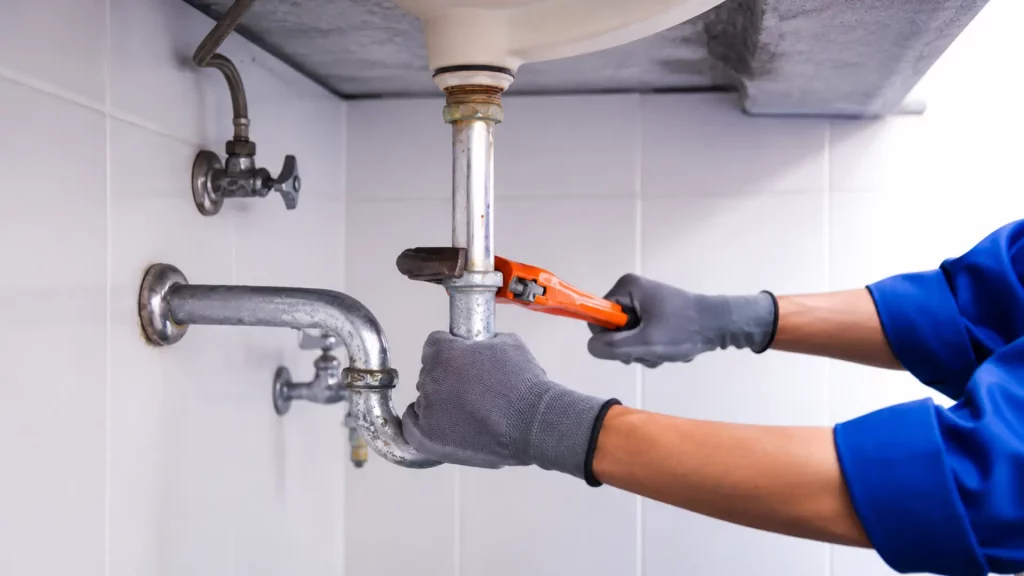
Drains that are rarely used can develop their own problems. The curved section of pipe under a sink or floor drain, known as a trap, is designed to hold water and block sewer gases.
When a drain goes unused for long periods, that water can evaporate. A dry trap allows air to move freely through the pipe. When the toilet is flushed, airflow passes through the empty trap, producing a gurgling or sucking sound.
This is especially common in basements, guest bathrooms, laundry rooms, and unused floor drains.
When the Main Sewer Line Is Involved
Gurgling that occurs in multiple drains throughout the house often points to a deeper issue. A blockage or restriction in the main sewer line can affect every fixture connected to it.
Tree roots, aging pipes, or heavy internal buildup can narrow the line, causing pressure changes when large amounts of water are released. In these cases, gurgling may be an early warning sign before more serious symptoms appear, such as sewage backups or overflowing drains.
Is Drain Gurgling a Serious Problem?
Occasional gurgling from a rarely used drain can be harmless. Persistent or widespread gurgling, however, should not be ignored.
Left unaddressed, the underlying causes can lead to:
- Recurring clogs and slow drains
- Sewer odors entering the home
- Water backups in sinks, tubs, or floor drains
- Long-term damage to pipes and fittings
Catching the issue early often prevents costly repairs later.
Also Read: Water Meter Moving When Everything Is Off
What Homeowners Can Check First
Before calling a plumber, it helps to observe the situation closely. Notice whether the gurgling happens only when flushing or also when running sinks or showers. Check if more than one drain is affected.
For rarely used drains, running water for a minute can refill the trap and sometimes stop the noise. Basic maintenance, such as flushing sinks with hot water, may help if buildup is minimal.
Chemical drain cleaners should be avoided, as they rarely resolve airflow issues and can damage pipes.
When to Call a Professional Plumber
Professional help is recommended if gurgling is persistent, affects multiple fixtures, or is accompanied by odors, slow drainage, or backups.
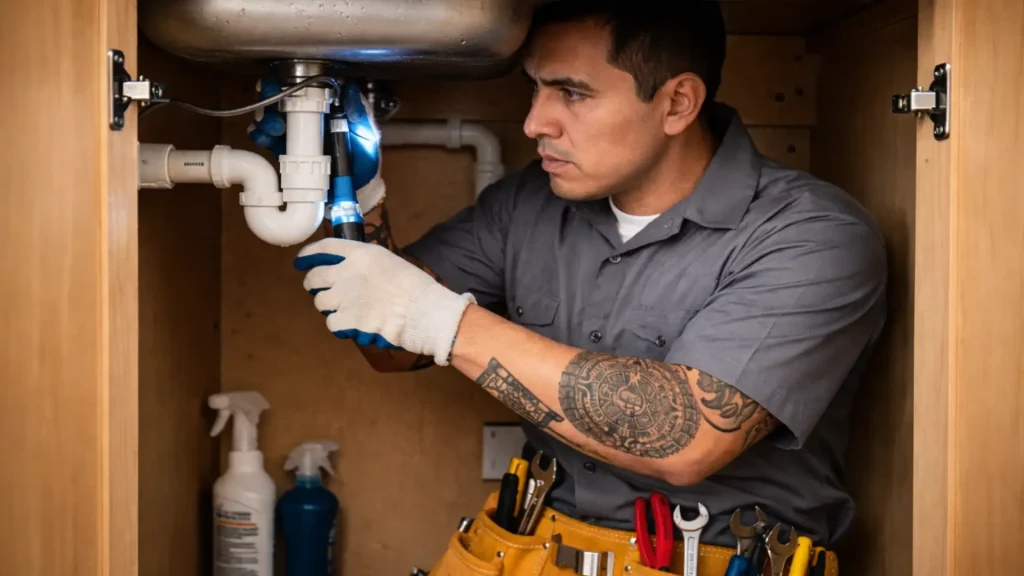
A licensed plumber can inspect vent pipes, identify hidden blockages, and use camera equipment to assess the condition of the main sewer line. Early diagnosis is often far less expensive than emergency repairs caused by ignored warning signs.
Also Read: 7 Signs You Need to Call a Plumber Right Away
Final Thoughts
A gurgling drain after flushing is more than just a strange sound. It is a sign that air and water are no longer moving through your plumbing system as they should.
While some causes are simple and easy to correct, others point to deeper issues that will only worsen over time. Paying attention to the noise and addressing it early helps protect your home, your plumbing, and your peace of mind.
Frequently Asked Questions
Q1. Why does my sink gurgle when I flush the toilet?
This usually happens when air is being pulled through the sink drain due to a venting issue or partial blockage. The toilet flush creates pressure changes, and the sink drain becomes the easiest path for air to escape.
Q2. Can a gurgling drain mean a sewer backup is coming?
Yes, in some cases. Persistent gurgling in multiple drains can be an early warning sign of a main sewer line restriction. If ignored, this can eventually lead to sewage backing up into the home.
Q3. Is it safe to use my plumbing if the drain is gurgling?
You can usually continue using it temporarily, but the noise should not be ignored. Continued use without addressing the cause can worsen the problem and increase the risk of backups or pipe damage.
Q4. Will pouring water down the drain fix gurgling noises?
It can help if the issue is a dry trap in an unused drain. If the gurgling is caused by venting problems or clogs, running water alone will not resolve it.
Q5. How do plumbers diagnose gurgling drain problems?
Plumbers typically check vent pipes, test drainage flow, and may use drain cameras to inspect for blockages or damage inside the sewer line. This allows them to identify the root cause without unnecessary guesswork.