Your HVAC system relies on ductwork to move heated and cooled air throughout the home. When those ducts have leaks, loose joints, or damaged sections, conditioned air can escape before it reaches the rooms where it is needed. That leads to uneven temperatures, higher energy bills, weak airflow, and unnecessary strain on the system.
Air duct sealing is the process of locating and closing those leaks so air moves efficiently through the duct system. It is one of the most effective ways to improve comfort and HVAC performance, especially in homes with older ductwork or ongoing airflow issues.
What Is Air Duct Sealing?
Air duct sealing is a professional service that repairs gaps, cracks, and loose connections in the air ducts connected to your heating and cooling system. The goal is simple: keep conditioned air inside the ducts until it reaches each room.
Leaks commonly develop at duct joints, seams, elbows, branch connections, and areas where materials have aged over time. Even small openings can waste a surprising amount of air.
A properly sealed duct system helps the HVAC unit deliver air more efficiently while maintaining better indoor comfort.
Why Air Duct Leaks Matter
Many homeowners assume comfort issues are caused by the furnace or air conditioner. In reality, leaking ductwork is often a hidden reason systems underperform.
When air escapes through leaks:
- Rooms may heat or cool unevenly
- Utility costs can increase
- Airflow becomes weaker at vents
- HVAC equipment runs longer than necessary
- Dust and pollutants may enter the system
If ducts run through attics, crawlspaces, or garages, lost air is especially wasteful because it escapes into unconditioned areas.
Common Signs You May Need Air Duct Sealing
Leaky ducts are not always visible, but they often create noticeable problems around the home.
- Uneven Temperatures: Some rooms may feel too warm while others stay too cool, even when the HVAC system is running normally.
- Weak Airflow: If certain vents blow less air than others, leaks may be reducing pressure in the duct line.
- Rising Energy Bills: When your system has to work harder to maintain the thermostat setting, monthly utility costs often rise.
- Excess Dust: Leaks can pull dust, insulation particles, or attic debris into the duct system and circulate them indoors.
- Constant HVAC Runtime: If your furnace or AC seems to run longer than usual, leaking ducts could be contributing to the issue.
How Air Duct Sealing Works
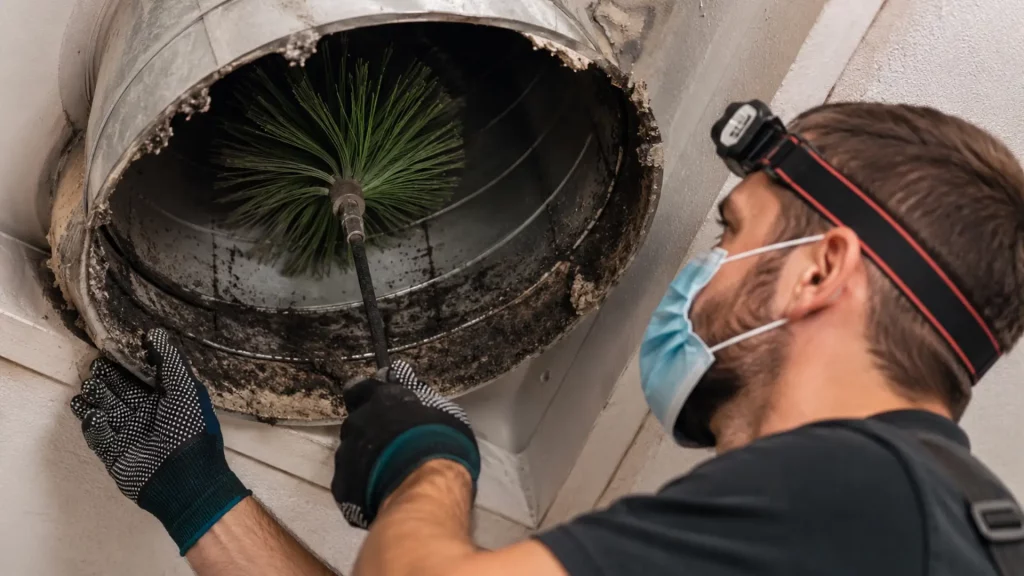
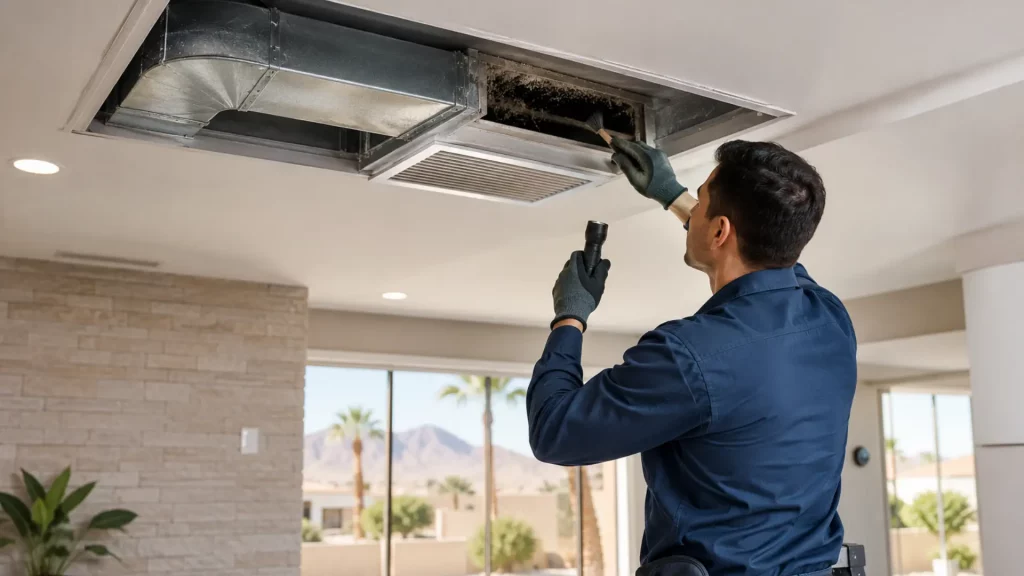
Professional duct sealing starts with an inspection. Technicians check accessible ductwork, evaluate airflow, and identify problem areas.
Depending on the condition of the system, repairs may include the following methods:
- Manual Sealing: Visible leaks around joints and seams are sealed using mastic sealant or approved HVAC materials designed for long-term performance.
- Reconnecting Loose Sections: Disconnected or poorly attached ducts are secured properly before sealing begins.
- Internal Leak Sealing: Some contractors use advanced aerosol-based methods that seal smaller leaks from inside the duct system.
- Insulation Improvements: If ducts are located in hot or cold spaces, insulation may be added or upgraded after sealing.
Benefits of Air Duct Sealing
A sealed duct system can improve both comfort and efficiency across the home.
- Better Energy Efficiency: When less air is wasted, the HVAC system uses less energy to maintain desired temperatures.
- Improved Indoor Comfort: Balanced airflow helps rooms feel more consistent from one area of the home to another.
- Lower Utility Bills: Reducing air loss can decrease monthly heating and cooling costs.
- Cleaner Indoor Air: Sealed ducts are less likely to draw in dust, insulation fibers, or contaminants from surrounding spaces.
- Reduced System Wear: When equipment does not need to run as long, components may experience less strain over time.
Is Air Duct Sealing Worth It?
For many homeowners, yes. If your duct system has leaks, sealing can provide real improvements in airflow, comfort, and operating costs.
Homes that often benefit the most include:
- Older homes with aging duct systems
- Homes with rooms that never feel comfortable
- Houses with ducts in attics or crawlspaces
- Homes with high utility bills and no clear cause
- Systems that run longer than expected
A professional inspection can determine whether duct leakage is part of the problem.
Can You Seal Ducts Yourself?
Small visible gaps may seem easy to fix, but many leaks are hidden behind walls, ceilings, or in attic spaces. Using the wrong materials can also create short-term repairs that fail quickly.
Professional service is usually the better option because technicians can test the full system, locate hidden leaks, and use proper HVAC-rated sealing products.
How Often Should Ductwork Be Checked?
Ductwork does not require frequent service like filters or tune-ups, but it should be inspected when warning signs appear.
Good times to schedule an inspection include:
- During HVAC replacement
- After major remodeling work
- When utility bills suddenly rise
- If airflow problems develop
- In older homes with original ductwork
Final Thoughts
Air duct sealing is one of the most overlooked ways to improve HVAC performance. Even a high-efficiency furnace or air conditioner can struggle if the duct system is leaking.
By sealing gaps and repairing weak connections, homeowners can enjoy stronger airflow, more consistent temperatures, cleaner indoor air, and lower energy waste. If your home has comfort issues or rising utility costs, air duct sealing may be a smart next step.