Gas line leaks are one of the most dangerous problems a homeowner can face. Unlike a dripping pipe or clogged drain, a gas leak can create an immediate fire risk, lead to an explosion, or expose your family to unsafe conditions. The good news is that many leaks are preventable with routine maintenance, smart habits, and quick action when warning signs appear.
After years of working on residential HVAC and gas systems, one thing is clear: most serious gas issues start small. A loose fitting, aging connector, corroded pipe, or ignored odor can turn into an emergency later.
This guide explains how to reduce that risk, spot early warning signs, and know what to do if you ever suspect a leak.
Why Gas Leaks Happen
Gas piping systems are reliable when installed and maintained correctly, but leaks can happen over time due to wear or damage.
Common causes include:
- Corroded steel piping
- Loose threaded fittings
- Damaged flexible appliance connectors
- Poor past repair work
- Accidental impact in garages or utility areas
- Underground line damage during digging
- Appliance valve failure
- Aging components past service life
Older homes are especially worth monitoring if the gas system has not been inspected in years.
Protect Exposed Gas Lines
Many homes have at least some visible gas piping in garages, basements, crawlspaces, or utility rooms.
These exposed sections should be properly supported and protected from accidental contact. I have seen homeowners back into pipes with storage bins, lawn equipment, and even vehicles in garages.
What to check:
- Pipes should be firmly mounted
- No sagging horizontal runs
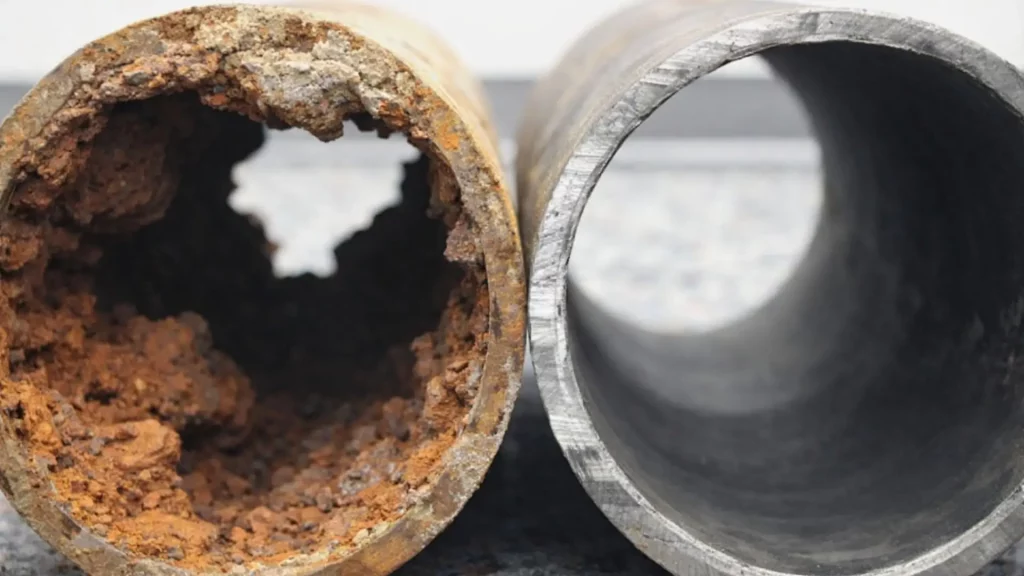
- No rust flakes or heavy corrosion
- No signs of impact or bending
- No items leaning against piping
If exposed gas lines are in a traffic area, barriers or rerouting may be needed.
Schedule Professional Inspections
A professional gas line inspection can catch problems before they become expensive or dangerous.
What a technician typically checks:
| Inspection Area | What We Look For |
|---|---|
| Gas piping | Corrosion, damage, loose fittings |
| Appliance connectors | Wear, cracking, kinks |
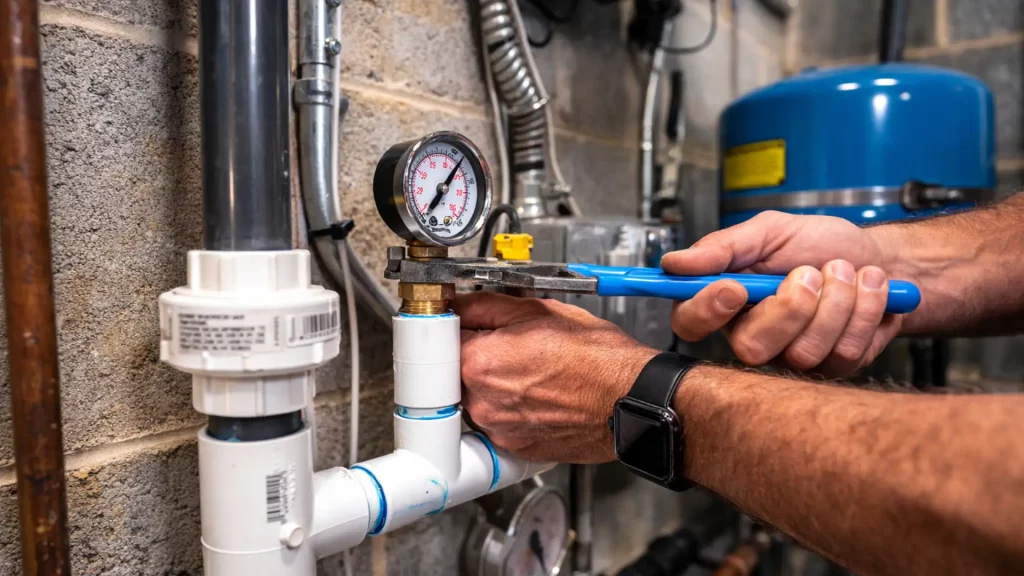
| Gas pressure | Proper operating range |
| Shutoff valves | Accessibility and function |
| Furnace / water heater venting | Safe exhaust removal |
| Leak detection | Active or slow leaks |
For homes with multiple gas appliances, annual inspections are a smart investment.
Watch for Warning Signs
Homeowners often notice clues before a full failure happens.
Possible gas leak signs:
- Rotten egg or sulfur smell
- Hissing near pipe or appliance
- Dead vegetation above buried gas line
- Unusual rise in gas bill
- Pilot lights going out repeatedly
- Headaches or dizziness near appliance area
- Bubbling water in wet soil outdoors
Even one of these signs deserves attention.
Check Appliances and Connectors
Gas furnaces, water heaters, stoves, dryers, and fireplaces all rely on safe gas connections.
Flexible connectors behind appliances often get ignored for years. They may corrode, kink, loosen, or get damaged when an appliance is moved.
Pay close attention to:
- Stove and range connections
- Dryer gas flex lines
- Water heater shutoff area
- Furnace gas valve and piping
- Fireplace key valves and controls
- Never reuse an old damaged connector during appliance replacement.
What to Do If You Suspect a Gas Leak
Treat gas odors seriously.
Immediate steps:
- Do not turn lights or switches on or off
- Do not use phones inside the house
- Do not start vehicles in attached garages
- Evacuate everyone immediately
- Move a safe distance away
- Call the gas utility or 911 from outside
- Do not return until cleared by professionals
This is not the time for DIY troubleshooting.
Install Carbon Monoxide Detectors
Gas leaks and combustion issues are different problems, but both matter.
If a furnace or water heater is not venting correctly, carbon monoxide can become a hidden danger.
Install CO detectors:
- Near bedrooms
- On each floor of the home
- According to manufacturer instructions
Test monthly and replace expired units.
When to Call a Professional
Call a licensed technician if you notice:
- Repeated gas odor
- Rusted gas piping
- Old connectors
- Appliance ignition issues
- Pilot problems
- Suspected leak signs
- Planned appliance upgrades
Waiting usually increases risk and cost.
Final Thoughts
Most gas leaks do not begin as emergencies. They begin as small issues that go unnoticed.
Routine inspections, visible pipe checks, safe digging practices, and fast action when warning signs appear can protect your home and family.
If something smells wrong, sounds wrong, or feels wrong, trust that instinct and get it inspected immediately.
Frequently Asked Questions
Is a faint gas smell normal near a stove?
Brief odor during burner ignition can happen, but ongoing smell is not normal and should be checked.
How often should gas lines be inspected?
For many homes, every 1 to 2 years is reasonable. Older homes or heavy appliance use may need yearly inspections.
Can I use soap bubbles to test leaks?
Minor checks are possible, but homeowners should not rely on DIY testing for suspected leaks. Professional detection is safer and more accurate.
Does homeowners insurance cover gas leaks?
Coverage varies. Damage from resulting fire or explosion may be covered, but maintenance issues often are not.
Should I replace old gas connectors?
Yes, especially if corroded, kinked, outdated, or disturbed during appliance replacement.