When an older heating system starts becoming less reliable, homeowners often face an important decision: heat pump vs furnace, which option is better for the home?
Both systems can provide reliable heating, but they work differently and offer different advantages. A heat pump transfers heat rather than generating it directly, while a furnace generates heat and distributes it throughout the home. A heat pump can also provide cooling, while a traditional furnace generally works with a separate air conditioning system.
The right choice depends on your existing HVAC equipment, heating and cooling needs, installation requirements, energy use, and long-term plans.
What is the Difference Between a Heat Pump and a Furnace?
The main difference between a heat pump and a furnace is how they provide heat.
A heat pump transfers heat from one location to another. During heating mode, it extracts available heat from outdoor air and transfers it indoors. During warmer weather, the process can reverse providing air conditioning.
A furnace generates heat and distributes it through the home’s ductwork. Depending on the equipment, a furnace can use natural gas, propane, or electricity.
Here is a simple comparison:
| Feature | Heat Pump | Furnace |
| Primary function | Heating and cooling | Heating |
| Heating method | Transfers heat | Generates heat |
| Cooling | Built into the system | Requires separate AC |
| Common energy source | Electricity | Gas or electricity |
| Heating efficiency | Can be highly efficient | Depends on equipment |
| System setup | One system for heating and cooling | Usually paired with AC |
So, what is the difference between heat pump and furnace? A heat pump moves heat, while a furnace generates heat.
How Does a Heat Pump Work?
A heat pump uses refrigerant, a compressor, coils, and other components to transfer heat between the outdoors and indoors.
During heating operation, the outdoor unit extracts available heat from the surrounding air and transfers it into the home. During cooling operation, the process reverses and removes heat from inside the home.
One of the biggest advantages of a heat pump is that the same system can provide both heating and cooling.
However, proper sizing, installation, airflow, and equipment condition all affect performance. Sensors and controls are also important because the system relies on accurate information to operate correctly.
Gunny’s has previously covered heat pump outdoor sensor problems, including how inaccurate outdoor temperature readings can affect heating performance.
How Does a Furnace Work?
A furnace generates heat and uses a blower to distribute heated air throughout the home.
Depending on the system, the furnace may use gas, propane, or electricity as its energy source. When the thermostat calls for heat, the furnace begins its heating cycle and delivers warm air through the ductwork.
Unlike a heat pump, a furnace is primarily designed for heating. A home with a conventional furnace generally needs separate equipment for air conditioning.
This can make a furnace a practical option when the existing AC system is still relatively new, and only the heating equipment needs replacement.
Heat Pump vs Furnace Efficiency
Heat pump vs furnace efficiency is an important consideration, but equipment efficiency is only one part of the overall picture.
A heat pump can provide efficient heating because it transfers available heat rather than generating all of the heat directly. It can also provide cooling during warmer months.
Furnace efficiency depends on the type of furnace, energy source, equipment design, and efficiency rating.
Actual energy use can also be influenced by:
- Home insulation
- Ductwork condition
- System sizing
- Thermostat settings
- Outdoor temperature
- Equipment condition
- Operating habits
- Installation quality
Even a highly efficient HVAC system may not perform as expected if it is incorrectly sized or installed.
Heat Pump vs Furnace Cost
The heat pump vs furnace cost comparison should include more than the equipment price.
The total installation cost may depend on:
- Equipment size
- Existing HVAC configuration
- Electrical requirements
- Ductwork modifications
- Refrigerant lines
- Thermostat and control requirements
- Labor
- Removal of existing equipment
The cost of heat pump vs furnace can therefore vary significantly from one home to another.
For example, replacing an aging furnace while keeping a newer AC system can be a very different project from replacing both an old furnace and an AC system with a heat pump.
Homeowners should compare the complete installation and expected operating costs rather than choosing equipment based only on the initial purchase price.
For additional information, see Gunny’s HVAC replacement cost guide.
Is a Heat Pump Better Than a Furnace?
There is no single answer that applies to every home.
A heat pump may be a good option if you:
- Want heating and cooling from one system
- Prefer an electric HVAC system
- Want to prioritize heating efficiency
- Are replacing both heating and cooling equipment
- Want to move away from a conventional furnace and AC setup
A furnace may make more sense if you:
- Already have a relatively new AC system
- Prefer a conventional heating system
- Want to keep your existing HVAC configuration
- Have a furnace that is otherwise in good condition
- Prefer dedicated furnace heating
The existing equipment and installation requirements should be evaluated before making a final decision.
Heat Pump vs Furnace Pros and Cons
Looking at the heat pump vs furnace pros and cons can help homeowners compare the two systems.
Heat Pump Pros:
- Provides heating and cooling
- Can provide efficient heating
- Uses electricity for operation
- One system can handle both major comfort functions
- Can be practical when replacing aging heating and cooling equipment
Heat Pump Cons:
- Heating performance depends partly on outdoor conditions
- Some installations may require electrical modifications
- Installation requirements vary between homes
- Refrigeration and electrical components require qualified service
Furnace Pros:
- Provides dedicated heating
- Works with conventional ducted HVAC systems
- Can be a practical replacement for an existing furnace
- Available in different fuel and efficiency options
- Familiar technology for many homeowners
Furnace Cons:
- Does not provide cooling by itself
- Requires separate AC equipment
- Operating costs depend on fuel and equipment efficiency
- Older equipment may require more frequent repairs
Which System Makes Sense for Your Home?
The best choice starts with the equipment already installed in the home.
If the AC system is relatively new, but the furnace is aging, replacing the furnace may be the simpler option.
If both the heating and cooling systems are approaching replacement, a heat pump may be worth considering because it can provide both functions through one system.
Ductwork should also be evaluated. Leaky, damaged, or poorly designed ducts can reduce the performance of either a furnace or a heat pump.
System sizing is another important consideration. Equipment that is too large or too small can lead to inconsistent temperatures, inefficient operation, and unnecessary wear.
What About Heat Pumps in Cold Weather?
Heat pumps are designed to provide heating during colder weather, but their operation changes as outdoor conditions change.
During certain conditions, frost can develop on the outdoor coil. The system may then enter a defrost cycle to remove the frost and maintain proper operation.
Defrosting can be a normal part of heat pump operation. However, unusually frequent defrost cycles or declining heating performance can indicate an underlying problem.
Gunny’s heat pump defrost cycle guide explains some of the problems that can affect heat pump performance.
Should You Repair or Replace Your Heating System?
The heat pump vs furnace decision does not always mean replacing an existing system.
If a furnace has a relatively minor problem, repairing it may make more sense than replacing the entire system.
Replacement may become more reasonable when equipment is aging; repairs are becoming frequent, operating costs are increasing, or the system can no longer provide reliable comfort.
The same applies to heat pumps. A system that needs a repair does not automatically need replacement.
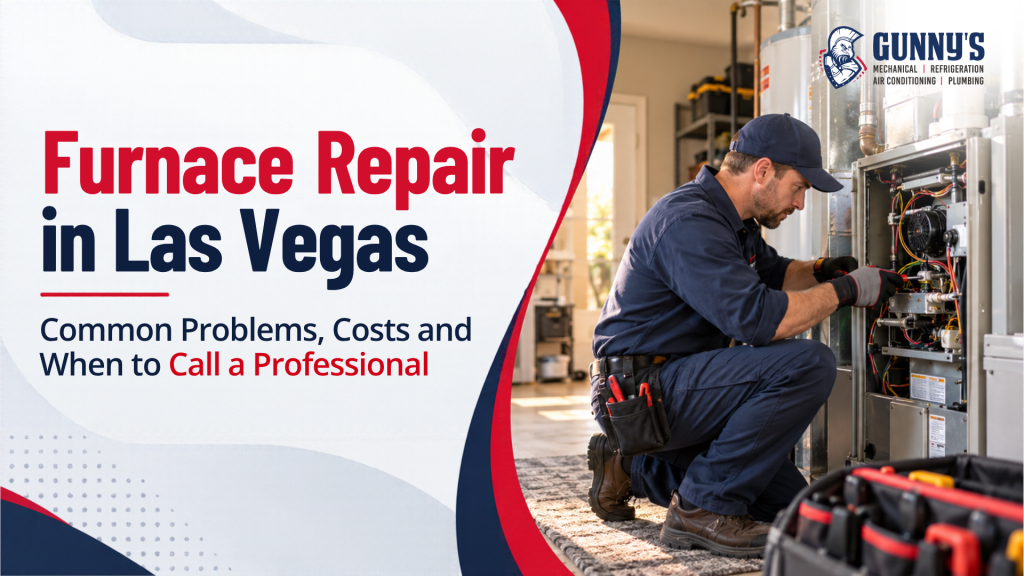
Gunny’s furnace repair guide covers common furnace problems, troubleshooting, repair considerations, and signs that professional service may be necessary.
What Should You Consider Before Choosing?
Before deciding between a heat pump and furnace, consider the complete picture.
-
Existing HVAC Equipment
Look at the condition of your current furnace, AC system, ductwork, thermostat, and other components.
-
Heating and Cooling Needs
Consider whether you want one system to provide both heating and cooling or prefer separate equipment.
-
Installation Requirements
Electrical requirements, ductwork, refrigerant lines, equipment location, and other modifications can affect the overall project.
-
Efficiency and Operating Costs
Compare equipment efficiency along with the energy source and expected operating requirements.
-
Long-Term Plans
Consider how long you expect to remain in the home and what you want from your HVAC system in the future.
A professional HVAC evaluation can help determine which option is appropriate for the property.
Final Thoughts
There is no universal winner when comparing a heat pump vs furnace.
A heat pump can be an attractive choice for homeowners who want one system for both heating and cooling and want to prioritize heating efficiency. A furnace can remain a practical choice for homes with conventional HVAC equipment, particularly when the existing AC system is still in good condition.
The decision should be based on more than the equipment’s initial price. Consider efficiency, installation requirements, existing equipment, ductwork, operating costs, maintenance, and long-term comfort.
If you’re replacing an aging heating system, have the existing equipment evaluated before deciding. Understanding the home’s actual requirements can help you choose a heating system that fits your comfort needs and long-term HVAC plans.