Your air conditioner’s outdoor unit does much more than simply blowing air. The HVAC condenser is a critical part of the cooling system that helps release the heat removed from your home.
When the condenser is dirty, blocked, damaged, or unable to operate properly, your AC may struggle to cool your home efficiently.
Understanding how the HVAC condenser unit works, what its components do, and how to maintain it can help homeowners recognize problems early and make better maintenance decisions.
For homeowners in Las Vegas and surrounding Southern Nevada communities, condenser maintenance is especially important because outdoor AC equipment can operate for long periods during hot weather.
What is an HVAC Condenser?
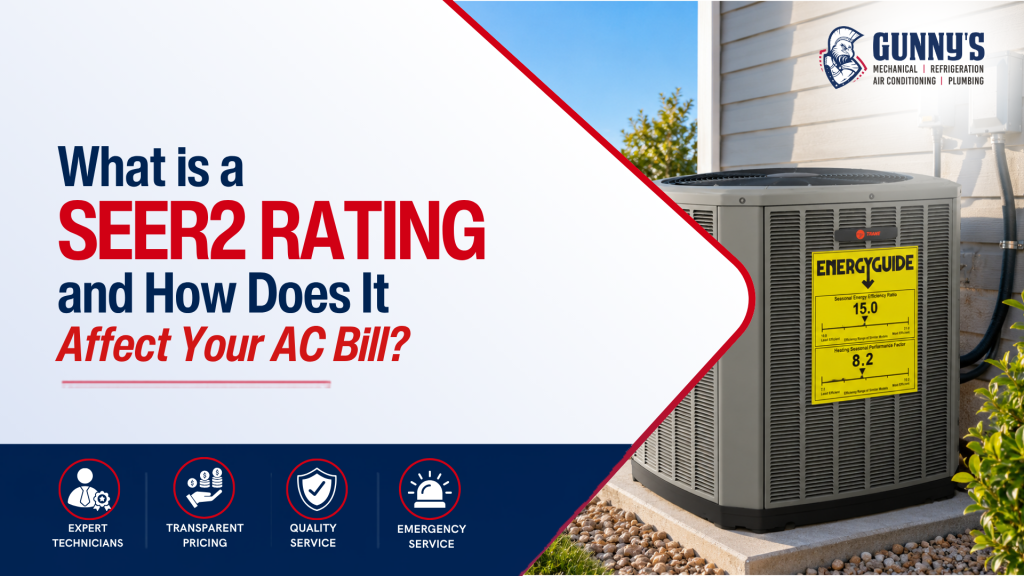
An HVAC condenser is the outdoor portion of a typical central air conditioning system. It contains several important components that work together to release heat from the refrigerant.
The condenser unit is normally located outside the home and includes components such as:
- Condenser coil
- Condenser fan
- Fan motor
- Compressor
- Electrical components
- Refrigerant lines
- Protective cabinet
The condenser plays an important role in the cooling cycle by rejecting heat that has been transferred from inside the home.
If you’re specifically interested in the coil itself, see our guide on what a condenser coil is and how it works.
What Does an HVAC Condenser Do?
So, what does an HVAC condenser do?
The condenser removes heat from the refrigerant and releases heat into the outdoor air.
The basic process works like this:
- The refrigerant absorbs heat from inside your home.
- The refrigerant travels to the outdoor condenser.
- The compressor increases the pressure of the refrigerant and temperature.
- The hot refrigerant moves through the condenser coil.
- The condenser fan moves outdoor air across the coil.
- Heat transfers from the refrigerant into the outdoor air.
- The refrigerant cools and continues through the system.
This process allows the refrigerant to continue circulating and absorbing more heat from your home.
How Does an HVAC Condenser Work?
The condenser is one part of a larger refrigeration cycle.
Inside your home, the evaporator coil absorbs heat from indoor air. The refrigerant then carries that heat toward the outdoor unit.
At the condenser, the heat is released outdoors.
The HVAC condenser coil provides the surface area needed for heat transfer, while the condenser fan helps move air across the coil.
The compressor also plays a critical role by pressurizing the refrigerant and moving it through the system.
This is why the condenser, compressor, coil, and fan must all operate properly for the AC system to cool effectively.
Main HVAC Condenser Parts:
Understanding the main HVAC condenser parts can make it easier to recognize potential problems.
Condenser Coil
The condenser coil contains refrigerant and allows heat to transfer from the refrigerant to the outdoor air.
Dirt and debris on the coil can restrict heat transfer and reduce system efficiency.
Condenser Fan
The condenser fan moves outdoor air across the coil to help remove heat.
A malfunctioning fan can cause the outdoor unit to overheat and affect cooling performance.
Fan Motor
The fan motor powers the condenser fan. A failing motor may cause the fan to stop operating, run intermittently, or make unusual noises.
Compressor
The compressor circulates the refrigerant through the system and raises its pressure and temperature before the refrigerant moves through the condenser coil.
Electrical Components
The outdoor unit contains electrical components that control and power the system.
Electrical problems should be evaluated by a qualified HVAC professional rather than handled as a DIY repair.
Refrigerant Lines
Refrigerant lines connect to the indoor and outdoor portions of the system and allow refrigerant to circulate through the cooling cycle.
Difference Between an HVAC Condenser and a Compressor:
The condenser and compressor are both located in the outdoor unit, but they perform different jobs.
The compressor pressurizes and circulates the refrigerant.
The condenser releases heat from the refrigerant into the outdoor air.
They work together, but they are not the same component.
This distinction is important when diagnosing an AC problem because a symptom involving the outdoor unit does not necessarily mean the compressor is faulty.
How to Clean an HVAC Condenser?
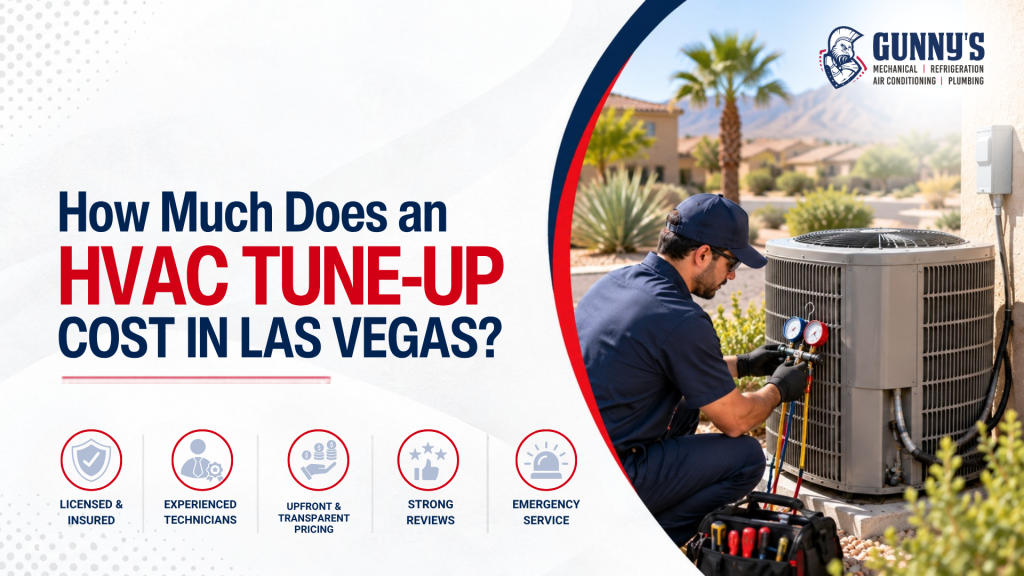
Regular HVAC condenser coil cleaning can help maintain proper heat transfer and airflow around the outdoor unit.
Basic exterior maintenance can include:
- Turn off power to the outdoor unit.
- Remove leaves, grass, and loose debris around the unit.
- Keep vegetation from blocking airflow.
- Check the visible coil area for heavy dirt buildup.
- Have professional cleaning performed when the coil requires deeper cleaning.
Homeowners should avoid bending the delicate coil fins or using excessive water pressure, which can damage the equipment.
If the condenser coil is heavily contaminated or difficult to access, professional service is the safer option.
For a more detailed explanation of coil cleaning, see How to Clean AC Coils Efficiently.
How Often Should an HVAC Condenser Be Cleaned?
There isn’t one universal cleaning schedule for every home.
How often the condenser should be cleaned depends on:
- Outdoor dust and debris
- Landscaping around the unit
- Pet hair
- Nearby vegetation
- Local weather conditions
- System usage
- Existing dirt buildup
Las Vegas homes can experience significant dust and heat, making outdoor unit conditions particularly important.
A visual inspection during routine HVAC maintenance can help determine whether the condenser needs additional cleaning.
You can also review our seasonal HVAC maintenance checklist for additional maintenance considerations.
What Happens When an HVAC Condenser Gets Dirty?
A dirty condenser coil cannot transfer heat as effectively as a clean coil.
Depending on the severity of the buildup, you may notice:
- Reduced cooling performance
- Longer AC run times
- Higher energy consumption
- Increased system strain
- Poor comfort
- Higher operating temperatures
A dirty condenser does not necessarily mean the entire AC system needs to be replaced.
Professional inspection can help determine whether cleaning or another repair is appropriate.
Common HVAC Condenser Problems
Several problems can affect the outdoor condenser.
HVAC Condenser Fan Not Running
If the condenser fan isn’t operating while the system is calling for cooling, the unit may not be able to reject heat properly.
Possible causes can include electrical problems, a failed fan motor, capacitor issues, or control problems.
Because several components can cause similar symptoms, professional diagnosis is recommended.
HVAC Condenser Not Running
If the entire outdoor unit isn’t running, the cause could range from a thermostat or electrical issue to a control problem or equipment failure.
Before assuming the condenser, itself needs replacement; the complete system should be inspected.
Dirty Condenser Coil
A dirty coil can reduce heat transfer and make the system work harder.
Regular maintenance can help prevent excessive buildup.
Damaged Coil Fins
Bent fins can restrict airflow through the condenser coil.
Minor fin damage may sometimes be corrected during professional service, depending on the condition.
Refrigerant Problems
Low refrigerant can affect cooling performance and may indicate a leak.
Refrigerant issues require proper diagnosis and handling by a qualified HVAC technician.
Electrical Problems
Electrical failures can prevent the condenser, compressor, or fan from operating correctly.
Do not open electrical components or attempt to repair yourself if you are not qualified to do so.
Signs Your HVAC Condenser May Need Repair
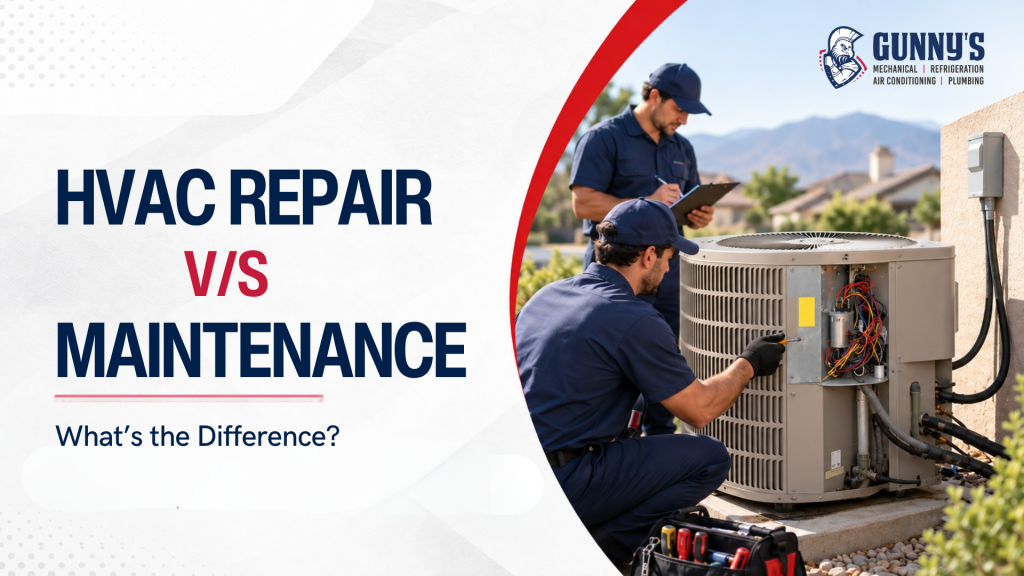
You may need professional HVAC condenser repair if you notice:
- The outdoor unit won’t start
- The condenser fan isn’t spinning
- The AC isn’t cooling properly
- The system runs much longer than normal
- Unusual outdoor-unit noises
- Burning or electrical odors
- Frequent breaker trips
- Ice or abnormal refrigerant-related symptoms
- The system repeatedly shuts down
If your AC is experiencing one or more of these symptoms, professional diagnosis can determine whether the issue is related to the condenser or another part of the system.
Gunny’s provides AC repair services for homeowners in Las Vegas, Pahrump, and surrounding service areas.
HVAC Condenser Maintenance Tips
Regular HVAC condenser maintenance can help protect system performance.
Keep the Area Around the Unit Clear
Remove leaves, branches, grass, and other debris that could restrict airflow.
Maintain Proper Clearance
Avoid placing objects directly against the condenser or surrounding it with dense vegetation.
Check for Visible Damage
Look for bent fins, damaged cabinet panels, unusual debris, or other visible issues.
Schedule Professional Maintenance
A technician can inspect components that aren’t practical or safe for homeowners to evaluate themselves.
Don’t Ignore Unusual Symptoms
Strange noises, poor cooling, long run times, or repeated shutdowns can indicate a developing problem.
Gunny’s offers AC maintenance services to help homeowners maintain their cooling systems.
Can a Dirty HVAC Condenser Increase Energy Use?
Yes. When the condenser coil becomes heavily contaminated, the system may have more difficulty releasing heat.
The equipment may need to operate longer or under greater strain to maintain the desired indoor temperature.
However, higher energy use isn’t always caused by a dirty condenser. Other factors can include:
- Poor insulation
- Ductwork problems
- Incorrect system sizing
- Refrigerant issues
- Dirty indoor components
- Thermostat settings
- Aging equipment
A complete HVAC evaluation can help identify the actual cause.
When should an HVAC Condenser Be Replaced?
Cleaning or repairing the condenser may be sufficient when the equipment is otherwise in good condition.
Replacement may become a consideration when the system has:
- Major component failures
- Extensive corrosion
- Repeated expensive repairs
- Significant refrigerant-related problems
- Poor overall efficiency
- An aging system approaching the end of its useful life
The decision should be based on the condition of the complete HVAC system rather than one failed component.
For homeowners comparing replacement options, our HVAC replacement cost guide for Las Vegas provides additional information.
How Much Does HVAC Condenser Replacement Cost?
The HVAC condenser replacement cost depends on the equipment, system size, efficiency, installation requirements, components being replaced, and other project-specific factors.
Replacing only a component is different from replacing the complete outdoor unit or entire AC system.
Because equipment compatibility and installation requirements vary, a professional evaluation is the best way to determine what replacement option makes sense.
HVAC Condenser vs. Compressor: Which One Needs Repair?
Because the compressor is located inside the outdoor condenser unit, homeowners sometimes use the terms interchangeably.
They are different components.
If the outdoor unit isn’t working, the problem could involve:
- Fan motor
- Capacitor
- Electrical controls
- Compressor
- Thermostat
- Wiring
- Refrigerant-related components
- Other system controls
A technician should diagnose the system to identify the faulty component before recommending a specific repair or replacement.
How to Keep Your HVAC Condenser Working Efficiently?
The best way to protect your condenser is to combine simple homeowner care with professional maintenance.
Keep the outdoor unit free from debris, maintain adequate airflow around it, and schedule regular inspections.
If your system is running longer than usual, making unusual noises, or struggling to cool your home, don’t wait until the problem becomes more serious.
Final Thoughts
The HVAC condenser is a critical part of your air conditioning system. It works with the compressor, condenser coil, fan, and other components to release heat and support the cooling cycle.
Keeping the outdoor unit clean and unobstructed, scheduling regular maintenance, and addressing unusual symptoms early can help support reliable AC performance.
For Las Vegas and Pahrump homeowners, maintaining the outdoor condenser is particularly important because HVAC systems can face long periods of heavy cooling demand.
If your condenser isn’t operating properly or your AC isn’t cooling as it should, a professional HVAC inspection can help determine whether the system needs cleaning, repair, or replacement.