If you are exploring ways to improve your home’s heating and cooling performance, you have probably come across the term 2 stage thermostat. It is often mentioned alongside modern furnaces and air conditioners, but many homeowners are not fully clear on what it actually does or whether it is worth the upgrade.
The short answer is simple. A two stage thermostat helps your HVAC system run more precisely instead of switching on at full power every time. That small shift in control can lead to noticeably better comfort, quieter operation, and in many cases improved efficiency.
In this guide, you will learn what a 2 stage thermostat is, how a 2 stage thermostat works in real homes, the benefits that matter most, and when it makes sense to install one.
What is a 2 Stage Thermostat?
A 2 stage thermostat is a temperature controller designed to work with heating or cooling equipment that has two levels of output. Rather than operating in a basic on or off pattern, the system can run in a lower capacity mode most of the time and switch to full power only when the situation demands it.
In everyday use, the thermostat manages two operating levels:
- Stage 1 handles mild temperature adjustments and day to day comfort
- Stage 2 provides full heating or cooling when the temperature gap is larger
This staged approach allows the HVAC system to respond more gradually to changes inside the home. If your current thermostat struggles to maintain steady comfort, it may also be worth reviewing common heating issues explained in why your thermostat is not turning on heat.
The most important point to remember is that the thermostat itself does not create two stages. Your furnace or air conditioner must already support staged operation.
How Does a 2 Stage Thermostat Work?
To understand the real value, it helps to look at what happens during a typical day inside your home.
Your 2 stage thermostat constantly monitors the indoor temperature and compares it with your chosen set point. When the temperature drifts slightly away from that target, the system begins with Stage 1. At this level, the HVAC equipment runs at reduced capacity, producing gentler airflow and longer run cycles.
Most of the time, Stage 1 is enough to maintain comfort.
However, during extreme outdoor conditions, such as a very hot afternoon or a cold winter morning, the thermostat senses that the temperature gap is larger than normal. When that happens, it automatically activates Stage 2 so the system can bring the temperature back under control more quickly.
Once the home gets close to the desired temperature again, the thermostat typically returns to Stage 1 operation. This continuous adjustment is what makes two stage systems feel smoother compared to traditional single stage setups.
If you are planning to upgrade or install a new unit, reviewing this step by step guide on how to install a thermostat can help you understand the wiring and setup requirements.
Single Stage vs Two Stage Thermostats
Many homes still rely on single stage thermostats, so understanding the difference in a single stage vs 2 stage thermostat setup is worth considering before you decide.
A single stage thermostat controls equipment that has only one output level. The system is either fully on or completely off. This often leads to noticeable temperature swings because the system delivers maximum heating or cooling every time it runs.
A two stage thermostat, by contrast, allows the equipment to run at a lower, steadier output most of the time. Full capacity is reserved for periods when the home actually needs stronger temperature correction.
In practical terms, homeowners often notice:
- More stable room temperatures
- Fewer harsh on and off cycles
- Quieter overall operation
- Better humidity removal during cooling season
If you are comparing thermostat options, our Smart Vs Programmable Thermostat Guide can help you choose the right control system for your home.
Key Benefits of a 2 Stage Thermostat
1. More Consistent Indoor Comfort
One of the most common complaints with single stage systems is temperature fluctuation. Rooms can feel slightly too warm after the system shuts off and too cool when it restarts.
Because Stage 1 runs longer and more gently, a two stage thermostat helps maintain a steadier indoor climate. Many homeowners describe the air as feeling more even throughout the day.
2. Improved Energy Efficiency
Running HVAC equipment at full power every cycle is rarely the most efficient approach. Two stage systems spend most of their time operating at the lower output level, which typically uses less energy.
Efficiency gains often come from:
- Reduced peak power usage
- Fewer hard system starts
- Longer and steadier run cycles
Actual savings vary by climate and home insulation, but properly configured systems often show measurable improvement.
3. Quieter System Operation
Lower stage operation is noticeably quieter than full capacity runs. This matters especially in bedrooms, living rooms, and home offices where HVAC noise can be distracting.
4. Better Humidity Control
During cooling season, longer run times at lower speed allow the evaporator coil to remove more moisture from the air. If humidity is a concern in your area, you may also want to review the best AC temperature for summer to maximize comfort and efficiency.
5. Reduced Wear on HVAC Components
Frequent start and stop cycles can put stress on compressors and motors. Two stage systems typically run longer but with fewer aggressive startups, which may help extend equipment life over time.
When Do You Need a 2 Stage Thermostat?
A two stage thermostat makes sense only if your HVAC system supports staged operation. This is the first thing to verify before considering an upgrade.
You should consider one if:
- Your furnace or AC is already two stage capable
- You are installing a new high efficiency HVAC system
- You notice frequent temperature swings
- Your current system cycles on and off too often
- Humidity control is a concern in your home
While evaluating your cooling system, it is also smart to keep key components in good shape. For example, understanding AC capacitor replacement and the importance of the AC drain line can help prevent performance issues.
2 Stage Thermostat Installation and Compatibility
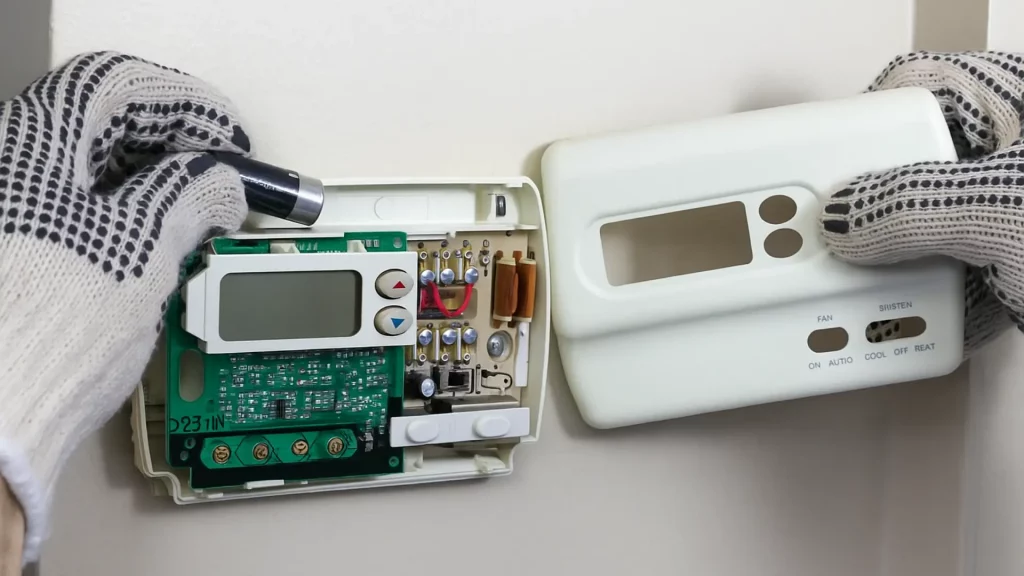
Before installing a 2 stage thermostat, confirm that your HVAC equipment supports 2 stage heating and cooling. This information is usually available on the unit label or in the product manual.
Two stage systems typically require additional thermostat wiring compared to basic setups. Many newer homes already have the necessary wiring, but older properties may need a minor upgrade.
Routine maintenance also matters. Something as simple as low battery power can cause thermostat problems, so it helps to know how to change a thermostat battery if your display starts acting up.
If you rely on room specific cooling, you may also find this guide on wall AC units helpful when comparing different comfort solutions.
Is a 2 Stage Thermostat Worth It?
For homes with compatible HVAC equipment, a 2 stage thermostat upgrade is often worthwhile. The biggest improvements most homeowners notice are smoother comfort and quieter operation. Energy savings and better humidity control are common secondary benefits.
However, the overall value depends on your specific setup. Homes with poor insulation, incorrectly sized equipment, or duct problems may not see the full benefit until those issues are addressed.
Final Thoughts
A 2 stage thermostat allows your heating and cooling system to respond more intelligently to real conditions inside your home. By shifting between low and high output instead of always running at full power, it delivers more stable temperatures, quieter performance, and often improved efficiency.
The key is proper compatibility and setup. When matched with the right equipment and installed correctly, a two stage thermostat can make a noticeable difference in everyday comfort.