Anyone who has paid a higher electricity bill during the peak of summer or winter for air conditioning or heating has likely wondered what uses more electricity ac or heat.
In the diverse climate of the USA, where AC or heating uses more electricity depends on where you live. If you live in extremely hot summers, in cities like Las Vegas that are close to desert air conditioning uses more electricity. On the other hand, if you live in colder states like Minnesota, New York, or North Dakota, heating uses more energy. It completely depends on the climate of the region where you live. Write a Sensible heading for it.
Factors That Determine What Uses More Electricity: AC or Heat
Understanding whether air conditioning or heating uses more electricity depends on several key factors. Each home is different, and usage varies based on climate, system type, and lifestyle. Here are the most important factors explained in a simple way.
1. Climate & Location
Where you live is one of the biggest factors affecting energy consumption. In hot regions, especially desert areas like Las Vegas, air conditioners often run continuously and consume more electricity. On the other hand, in colder states such as Minnesota, New York, or North Dakota, heating systems work harder and run for longer periods during winter, increasing energy use. The climate of your region ultimately decides which system is used more often.
For residents in colder regions, implementing energy-efficient heating tips can significantly reduce electricity bills while keeping your home warm.
2. HVAC System Efficiency
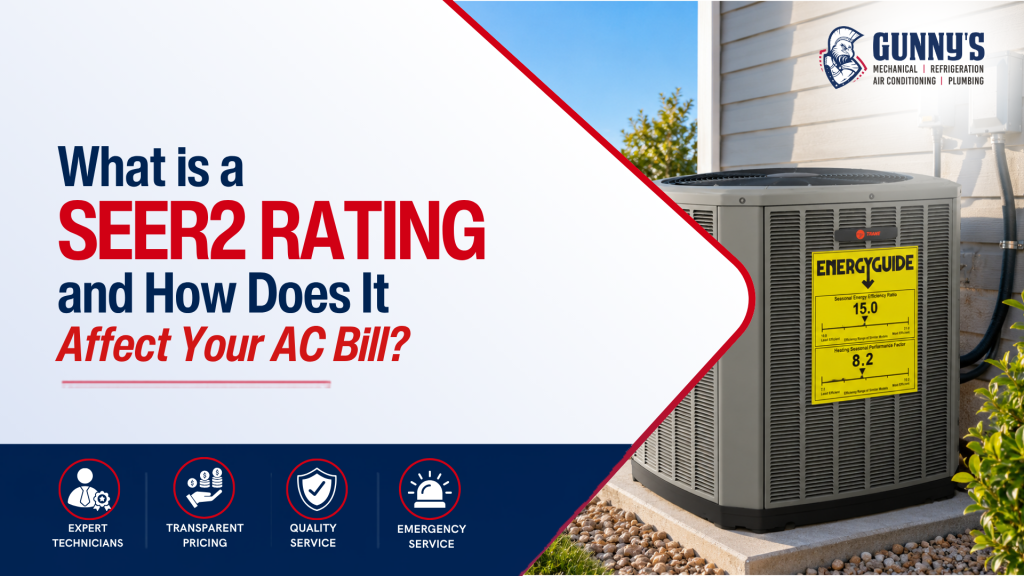
Older HVAC systems are less efficient and require more energy to produce the same cooling or heating effect. Modern systems with higher efficiency ratings, like SEER2 rated air conditioners, use less electricity and provide better performance. Upgrading to a newer system can make a noticeable difference in your energy bills, whether you’re running heat in winter or AC in summer.
3. Usage Time (Runtime)
The amount of time your system runs directly affects electricity consumption. During extreme weather conditions, air conditioners or heaters may run continuously for long hours. The longer the system operates, the more electricity it uses, making runtime one of the most important factors.
4. Thermostat Settings
Temperature settings also play a big role in energy usage. Setting the AC too low in summer or the heater too high in winter forces the system to work harder, increasing electricity consumption. Moderate and stable thermostat settings help reduce energy bills.
5. Air Leaks in the Home
Air leaks around doors, windows, and duct systems allow conditioned air to escape. In summer, cool air leaks out, and in winter, warm air escapes, making the HVAC system work harder to maintain temperature.
6. Humidity Levels
Humidity affects how hard your AC system works. In high-humidity areas, air conditioners must remove moisture from the air in addition to cooling it, which increases energy usage. Dry climates are generally easier for AC systems to manage, leading to lower electricity consumption.
7. Home Size
Larger homes require more energy to heat or cool because there is more space to condition. Smaller homes use less electricity because they need less time and energy to reach the desired temperature. Layout and room design also affect airflow efficiency.
8. Maintenance Condition
A well-maintained HVAC system runs more efficiently and uses less electricity. Dirty filters, blocked vents, or low refrigerant levels force the system to work harder, increasing energy consumption. Regular maintenance helps keep the system efficient and reduces electricity bills.
How Homeowners Can Reduce Energy Bills
No matter which system you use more, the simple ways to control costs:
- Keep thermostat at energy-efficient settings
- Replace air filters regularly
- Seal air leaks around doors and windows
- Schedule routine HVAC maintenance
- Upgrade to energy-efficient systems when needed
These steps help reduce unnecessary strain on your heating and cooling system.
Final Thoughts
In the USA, whether AC or heating uses more electricity depends on multiple factors such as climate, system type, insulation, and usage habits. There is no single answer, but understanding these factors helps homeowners make better energy decisions and reduce overall costs for their HVAC systems, including services provided.
Frequently Asked Questions
Is heating more expensive than air conditioning?
Heating is often more expensive than air conditioning in colder regions because systems run longer during winter. However, in very hot climates, AC can also become equally or more expensive during peak summer months.
Is air conditioning more expensive than heating?
Air conditioning can be more expensive than heating in hot states like Nevada, Texas, and Arizona where summers are extreme. In colder states, heating is usually the higher cost.
What uses more electricity: AC or heat?
It depends on the system and location. Electric heaters usually use more electricity than AC units, but in extreme climates, both can have high energy consumption depending on usage time.
Does heating or cooling run more in the USA?
In the northern USA, heating runs more due to cold winters. In southern and western states, air conditioning runs more because of long, hot summers.
What is cheaper to run: heat pump, furnace, or AC?
Heat pumps are usually the most efficient and cost-effective. Furnaces vary depending on fuel type, and AC systems are generally efficient but can become expensive in extreme heat.
Does insulation reduce AC and heating bills?
Yes, proper insulation reduces energy loss, helping both heating and cooling systems run less frequently and consume less electricity.