Indoor air should feel fresh, clean, and comfortable. But in many homes, the air can start to feel heavy, stuffy, or unpleasant over time. This condition is commonly known as stale air. Poor airflow, trapped humidity, dust buildup, and limited ventilation can all contribute to stale indoor air.
If left unaddressed, stale air can affect indoor comfort, reduce air quality, and even contribute to health concerns such as allergies or respiratory irritation. Understanding the causes of stale air and learning how to improve airflow can help create a healthier and more comfortable living environment.
What Is Stale Air?
Stale air refers to indoor air that has become trapped and poorly circulated. Instead of fresh air moving through the home, pollutants, odors, moisture, and airborne particles remain indoors for long periods.
Stale air is common in tightly sealed homes where ventilation is limited. Modern homes are often designed for energy efficiency, but without proper airflow, indoor air can quickly become stagnant.
Common Signs of Stale Indoor Air
Many homeowners notice stale air without realizing the exact cause. Some common warning signs include:
- Rooms feeling stuffy or uncomfortable
- Lingering cooking, pet, or musty odors
- Excess humidity indoors
- Dust buildup around vents and furniture
- Poor airflow from HVAC vents
- Condensation on windows
- Allergy symptoms worsening indoors
- Air that feels heavy or damp
These issues often indicate that indoor air is not circulating properly.
What Causes Stale Air in a Home?
Several factors can contribute to stale indoor air. In most cases, the problem develops gradually due to poor ventilation or neglected HVAC maintenance.
- Limited Ventilation: Homes that remain closed for long periods can trap indoor pollutants and prevent fresh outdoor air from circulating inside.
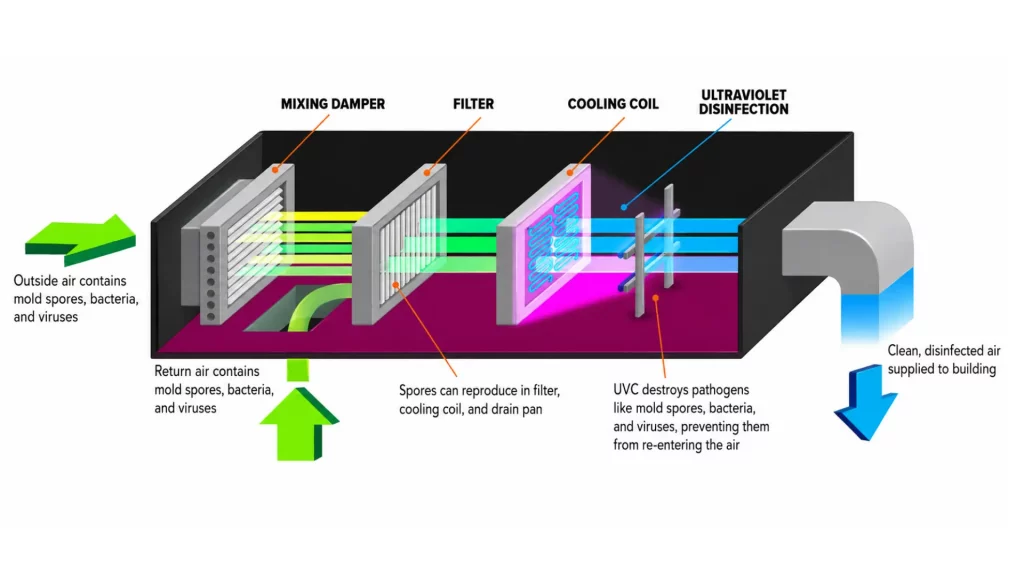
- Dirty HVAC Filters: Air filters collect dust, pollen, and airborne particles. When filters become clogged, airflow becomes restricted, causing indoor air to feel stale.
- High Indoor Humidity: Excess moisture in the air creates a damp environment that can lead to musty odors and mold growth.
- Blocked Air Vents: Furniture, dust, or debris blocking vents can reduce airflow throughout the home.
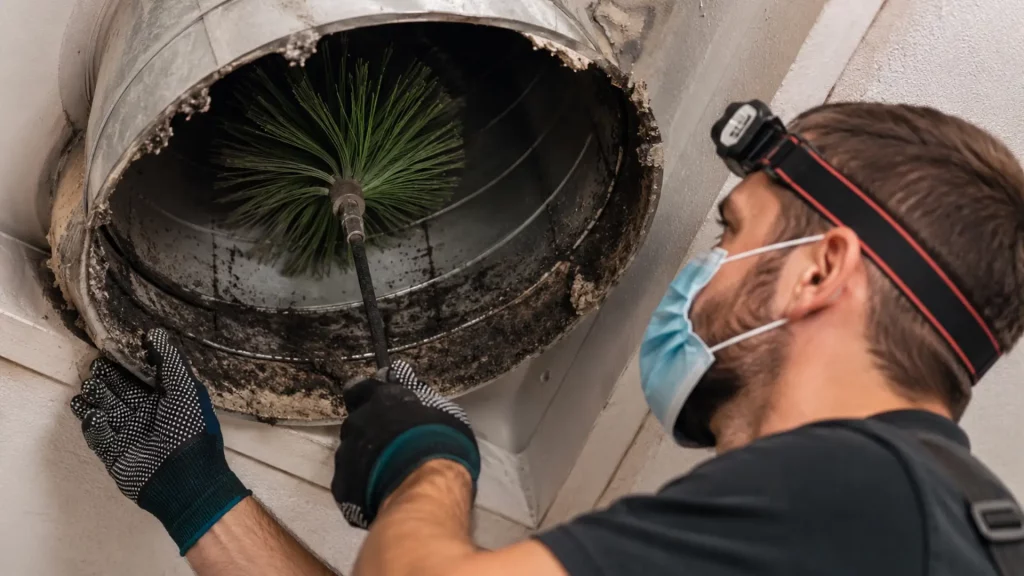
- Dirty Air Ducts: Dust and contaminants inside ductwork can circulate throughout the house every time the HVAC system runs.
- Poor HVAC System Performance: An aging or poorly maintained HVAC system may struggle to circulate and filter air efficiently.
Why Stale Air Can Affect Your Health and Comfort
Indoor air quality directly affects everyday comfort and overall well being. Stale air can increase exposure to airborne pollutants, allergens, and moisture related problems.
Poor indoor air quality may contribute to:
| Problem | Possible Effect |
|---|---|
| Dust and allergens | Allergy irritation |
| Excess humidity | Mold and mildew growth |
| Poor airflow | Uneven room temperatures |
| Indoor pollutants | Headaches and fatigue |
| Trapped odors | Unpleasant indoor environment |
People with asthma, allergies, or respiratory sensitivities may notice symptoms becoming worse in poorly ventilated spaces.
How Poor Ventilation Impacts Indoor Air Quality
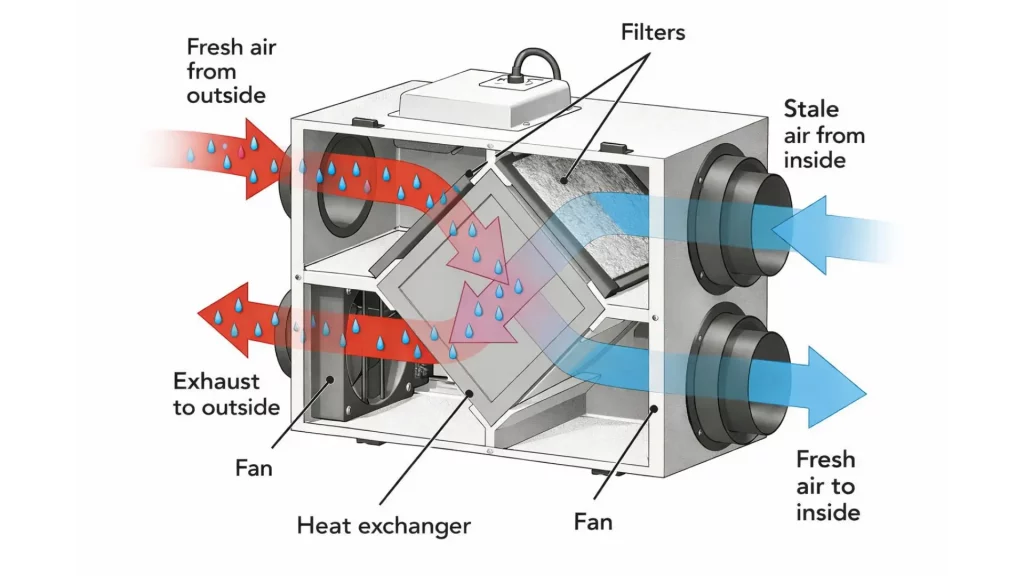
Ventilation helps remove stale indoor air and replace it with fresh outdoor air. Without proper ventilation, indoor pollutants continue to circulate and accumulate.
Daily activities such as cooking, cleaning, showering, and using household products release moisture and airborne particles into the air. If ventilation is insufficient, these pollutants remain trapped indoors.
A properly functioning HVAC system combined with adequate ventilation helps maintain balanced airflow and cleaner indoor air.
Simple Ways to Get Rid of Stale Air
Improving indoor air quality does not always require major changes. Simple maintenance and ventilation improvements can make a noticeable difference.
1. Open Windows for Fresh Air:
Opening windows for even a short period allows fresh outdoor air to circulate through the home. This helps remove trapped odors and improves airflow naturally.
2. Replace Dirty HVAC Filters:
HVAC filters should be replaced regularly to maintain proper airflow and filtration. General replacement guidelines include:
- Every 1 to 3 months for standard homes
- More frequently for homes with pets
- More often during peak heating and cooling seasons
Clean filters help the HVAC system circulate air more effectively.
3. Use Exhaust Fans Properly:
Bathroom and kitchen exhaust fans help remove excess moisture, smoke, and odors from indoor spaces.
Running exhaust fans during cooking or showering can reduce humidity and improve ventilation.
4. Control Indoor Humidity Levels:
Balanced humidity improves indoor comfort and reduces stale air conditions.
Indoor humidity should generally remain between 30 percent and 50 percent. A dehumidifier may help in areas with excessive moisture.
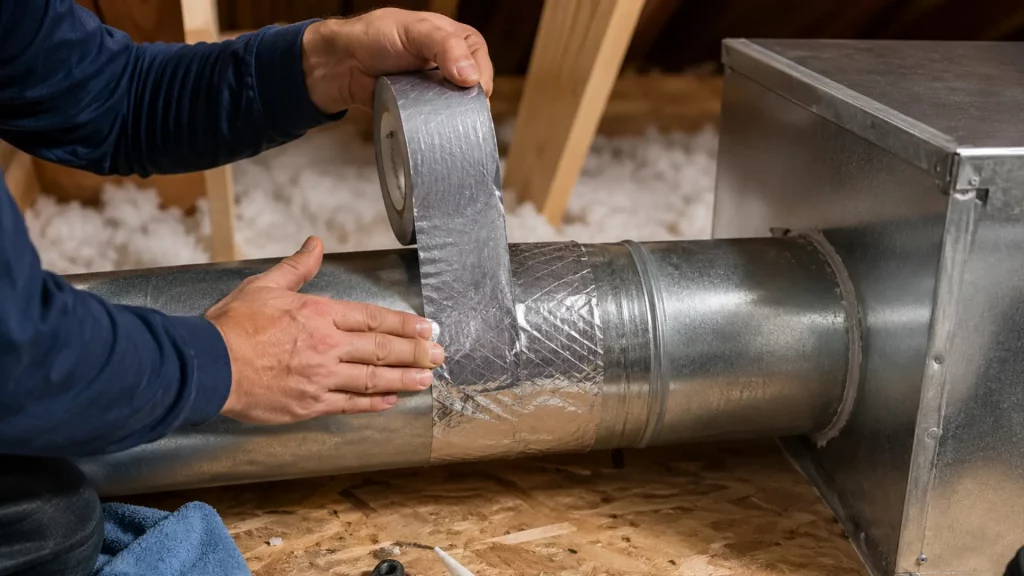
5. Schedule Regular HVAC Maintenance:
Routine HVAC maintenance helps improve airflow, system performance, and indoor air quality. Professional inspections can identify issues such as:
- Dirty coils
- Weak airflow
- Blocked drain lines
- Worn components
- Poor ventilation performance
Preventive maintenance also helps extend HVAC system life.
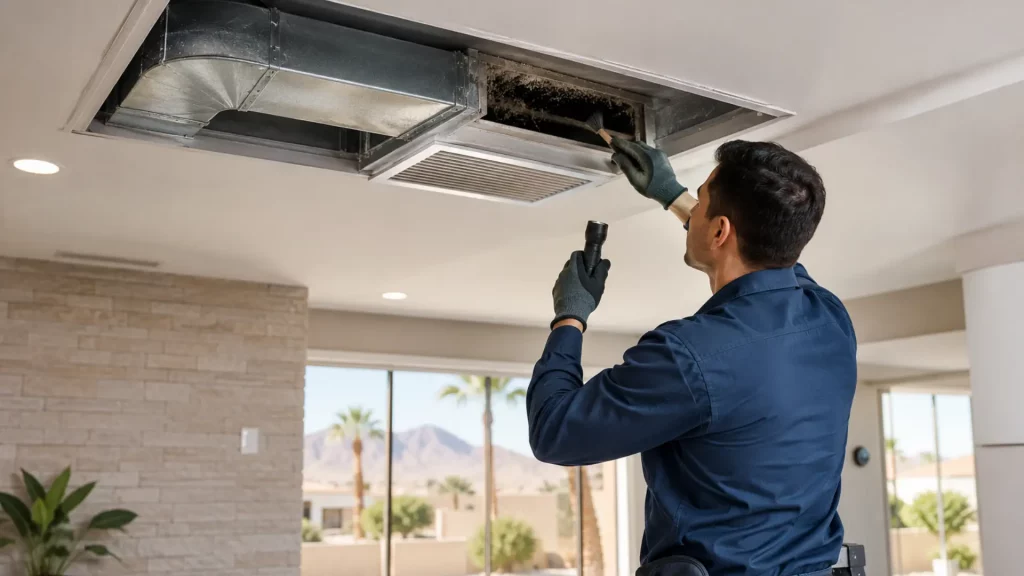
6. Clean Air Ducts and Vents:
Dust buildup inside vents and ductwork can restrict airflow and spread contaminants through the home.
Professional duct cleaning may help improve indoor air quality when excessive dust or debris is present.
7. Use an Air Purifier:
Air purifiers help remove airborne particles such as:
- Dust
- Pollen
- Pet dander
- Smoke particles
- Allergens
Homes with allergy sufferers or pets often benefit from additional air filtration.
When to Call an HVAC Professional
Some indoor air quality issues require professional attention. Homeowners should consider contacting an HVAC technician if they notice:
- Persistent musty odors
- Weak airflow throughout the home
- Frequent humidity problems
- Mold near vents
- Excessive dust buildup
- Uneven room temperatures
- Recurring indoor air quality concerns
An HVAC professional can inspect the system, evaluate ventilation, and recommend solutions that improve airflow and indoor comfort.
Tips to Keep Indoor Air Fresh Year Round
Maintaining fresh indoor air requires consistent care and proper HVAC maintenance.
Helpful habits include:
- Changing HVAC filters regularly
- Keeping vents open and unobstructed
- Scheduling annual HVAC inspections
- Using exhaust fans daily
- Controlling indoor humidity
- Vacuuming and dusting frequently
- Allowing fresh outdoor air inside when weather permits
Small preventive steps can help reduce stale air problems before they become serious.
Conclusion
Stale air is a common indoor air quality issue caused by poor ventilation, restricted airflow, humidity, and airborne pollutants. While the problem may start gradually, it can eventually affect comfort, health, and HVAC system performance.
Improving airflow, maintaining HVAC equipment, replacing filters, and managing humidity levels can help keep indoor air cleaner and fresher throughout the year. For ongoing indoor air quality concerns, professional HVAC maintenance and ventilation inspections can provide long term solutions.
Frequently Asked Questions
Is stale air bad for your health?
Stale air can contribute to allergy symptoms, respiratory irritation, headaches, and indoor discomfort, especially when pollutants and humidity levels increase indoors.
How do I know if my house has poor airflow?
Common signs include stuffy rooms, lingering odors, weak vent airflow, humidity problems, and uneven temperatures throughout the home.
Can HVAC systems help remove stale air?
Yes. Properly maintained HVAC systems help circulate, filter, and improve indoor air quality when functioning correctly.
How often should air filters be replaced?
Most HVAC filters should be replaced every 1 to 3 months depending on household conditions, pets, and system usage.
What is the best way to improve indoor air quality?
Improving ventilation, replacing filters regularly, controlling humidity, and scheduling HVAC maintenance are some of the most effective ways to improve indoor air quality.