A clogged main sewer line is one of the most serious plumbing issues a homeowner can face. Unlike a simple sink or shower drain clog, a blockage in the main sewer line can affect multiple plumbing fixtures throughout the home. If left unresolved, it may lead to wastewater backups, unpleasant odors, property damage, and expensive repairs.
Because the main sewer line carries wastewater from toilets, sinks, bathtubs, showers, washing machines, and other drains to the municipal sewer system or septic tank, any restriction in the line can disrupt your entire plumbing system.
Understanding the early warning signs of a sewer line clog can help homeowners act quickly, prevent larger problems, and avoid emergency plumbing situations.
What Is a Main Sewer Line?
The main sewer line is the primary underground pipe that connects your home’s internal plumbing system to the city sewer network or septic system.
Every drain in the house eventually routes wastewater into this line, including:
- Toilets
- Kitchen sinks
- Bathroom sinks
- Showers and bathtubs
- Washing machines
- Floor drains
When the main sewer line becomes clogged, cracked, or damaged, wastewater cannot flow out properly and often begins backing up through other drains inside the home.
Signs Your Main Sewer Line May Be Clogged
Several symptoms can indicate a blockage in the sewer line. Recognizing these signs early may help reduce repair costs and prevent damage.
1. Multiple Drains Are Slow or Backing Up
If only one sink or one shower is slow, the issue is often limited to that fixture. However, if multiple drains throughout the home begin draining slowly at the same time, the main sewer line may be the source of the problem.
Common examples include:
- Kitchen sink draining slowly
- Bathtub holding water
- Bathroom sink backing up
- Toilet flushing poorly
- Gurgling sounds from drains
When several plumbing fixtures are affected together, it often points to a blockage deeper in the system.
2. Toilet Flushing Causes Water Backup in the Tub or Shower
If flushing the toilet causes water to rise in the bathtub or shower drain, it is often a clear sign that wastewater cannot move freely through the sewer line.
You may also notice:
- Bubbling in the toilet bowl
- Gurgling sounds from nearby drains
- Water movement in other fixtures after flushing
This happens because pressure inside the drain system forces water into connected fixtures when the main line is restricted.
3. Sewage Odors Inside or Outside the Home
Persistent sewer odors should never be ignored. While dry drain traps can sometimes cause smells, recurring sewer gas odors may indicate waste buildup or a blockage in the sewer line.
These odors are commonly noticed:
Near bathroom drains
- In laundry rooms
- Around basement floor drains
- Outside near the sewer cleanout area
A professional inspection can help determine the exact cause.
4. Water or Wastewater Around the Sewer Cleanout
Many homes have a sewer cleanout pipe that gives plumbers access to the main line for inspection and maintenance.
If you notice:
- Standing water near the cleanout
- Moisture around the cap
- Sewage overflow
- Wet soil in that area
It may indicate wastewater is backing up due to a blockage in the line.
5. Sewage Backing Up Through Floor Drains
Floor drains are usually located in the lowest part of the home, such as:
- Basements
- Laundry rooms
- Garages
- Utility spaces
When the main sewer line is clogged, these drains are often the first place wastewater appears.
This should be treated as an urgent plumbing issue due to contamination risks and potential property damage.
Common Causes of Main Sewer Line Clogs
Main sewer line blockages can happen for several reasons.
- Tree Root Intrusion: Tree roots naturally seek moisture and can grow into cracked underground pipes, creating obstructions.
- Grease and Debris Buildup: Grease, soap residue, food particles, and waste materials can accumulate over time and narrow the pipe.
- Improper Items Flushed Down Drains: Items such as wipes, paper towels, hygiene products, and cotton products do not break down easily and can cause serious clogs.
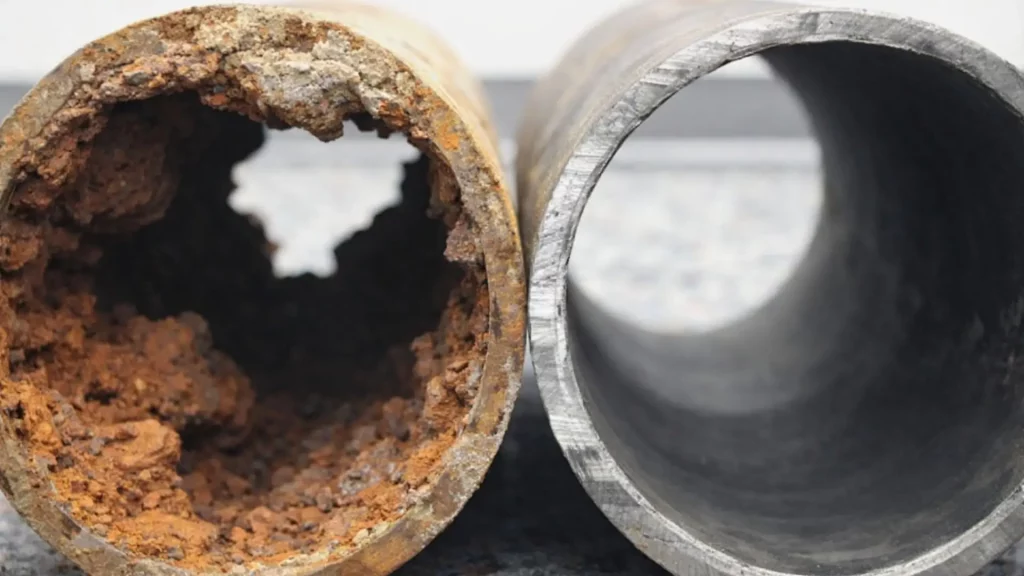
- Aging or Damaged Pipes: Older sewer lines may corrode, crack, shift, or collapse due to age, soil movement, or external pressure.
Also Read: Why Does My Drain Gurgle After I Flush?
What Homeowners Should Do If They Suspect a Sewer Line Clog
If you notice any of the signs above, taking the right steps early can help minimize damage.
- Limit Water Use: Avoid using sinks, showers, toilets, dishwashers, or washing machines until the issue is inspected.
- Avoid Chemical Drain Cleaners: Store-bought drain cleaners often do not resolve main sewer line blockages and may damage pipes.
- Watch for Multiple Symptoms: If several drains are affected or water backs up in unexpected places, the issue is likely beyond a simple clog.
- Schedule Professional Service: Licensed plumbers can inspect the line, locate the blockage, and recommend the correct repair solution.
How Professionals Clear Main Sewer Line Blockages
Depending on the cause of the problem, plumbing professionals may recommend:
- Sewer camera inspection
- Drain snaking or augering
- Hydro jetting
- Root removal
- Pipe repair
- Sewer line replacement when necessary
Accurate diagnosis is important because not every blockage requires major repair.
How to Help Prevent Future Sewer Line Problems
Homeowners can reduce the risk of clogs by following a few best practices:
- Avoid flushing wipes or hygiene products
- Never pour grease down drains
- Address slow drains early
- Schedule routine inspections for older homes
- Monitor tree roots near sewer lines
- Use drains properly and consistently
Reliable Plumbing Help from Call Gunny’s
At Call Gunny’s, we understand how disruptive sewer line issues can be. Our team provides professional inspections, honest recommendations, and dependable plumbing solutions designed to restore your system quickly and efficiently.
Whether you are dealing with recurring drain backups, sewer odors, or urgent plumbing concerns, our experienced professionals are ready to help.
Final Thoughts
A clogged main sewer line can begin with small warning signs and quickly develop into a larger plumbing emergency. Slow drains, unusual backups, sewage odors, and wastewater near the cleanout are all signals that should be taken seriously.
Prompt action and professional diagnosis can help prevent expensive repairs and keep your plumbing system operating safely.
Frequently Asked Questions
How do I know if my main sewer line is clogged?
Common signs include multiple slow drains, toilet bubbling, water backing into tubs or showers, floor drain overflow, and recurring sewer odors.
Can I unclog a main sewer line myself?
Minor drain issues may be manageable, but most sewer line blockages require professional tools such as augers, hydro jetting, or camera inspections.
Is a clogged sewer line an emergency?
If wastewater is backing up into the home or several fixtures are affected, prompt professional service is recommended.
What is the most common cause of sewer line clogs?
Tree roots, grease buildup, wipes, damaged pipes, and debris are among the most common causes.
How often should sewer lines be inspected?
Older homes, homes with frequent drain issues, or properties with nearby trees may benefit from routine inspections and preventive maintenance.