When homeowners begin researching a new air conditioning system, one of the most confusing topics they encounter is compressor staging. HVAC contractors often refer to single stage, two stage, and variable speed HVAC systems, but many homeowners are unsure what these terms actually mean or how they impact comfort, energy efficiency, and long-term operating costs.
The main difference between these systems lies in how the compressor operates. Some systems run at only one speed, while others can adjust their cooling output depending on your home’s needs.
Understanding the difference between single stage vs two stage vs variable speed HVAC systems can help you choose equipment that keeps your home comfortable while also controlling energy costs. In this guide, we’ll explain how each system works, compare their performance, and help you determine which option is best for your home.
Quick Overview: Single Stage vs Two Stage vs Variable Speed HVAC Systems
The primary difference between these systems is how many speeds the compressor can operate at.
- Single-stage HVAC systems run at one speed only and operate at full capacity whenever cooling is required.
- Two-stage HVAC systems operate at two levels of output, allowing them to run at a lower capacity most of the time.
- Variable-speed HVAC systems adjust continuously between multiple speeds to match cooling demand precisely.
In simple terms:
- Single stage systems are the most affordable but provide the least consistent comfort.
- Two stage systems offer better temperature stability and improved efficiency.
- Variable speed systems deliver the highest level of comfort and energy efficiency.
Single Stage vs Two Stage vs Variable Speed AC: Key Comparison
| Feature | Single Stage HVAC | Two Stage HVAC | Variable Speed HVAC |
|---|---|---|---|
| Compressor Speeds | One | Two | Multiple |
| Energy Efficiency | Moderate | High | Very High |
| Temperature Stability | Basic | Improved | Excellent |
| Humidity Control | Limited | Better | Best |
| Noise Level | Loudest | Moderate | Quietest |
| Upfront Cost | Lowest | Moderate | Highest |
While each system can effectively cool a home, their performance differences become more noticeable when it comes to energy efficiency, humidity control, and long-term comfort.
How HVAC Compressor Stages Work
The compressor is the component responsible for circulating refrigerant and removing heat from indoor air. The number of stages determines how flexible the system is when adjusting cooling output.
Older HVAC systems typically used a single-stage compressor, which meant the system either ran at full power or remained off. Modern HVAC systems introduced additional stages and variable speed technology to improve efficiency and comfort.
What Is a Single Stage HVAC System?
A single-stage HVAC system uses a compressor that operates at only one speed. When the thermostat calls for cooling, the system runs at full capacity until the desired temperature is reached.
Once the thermostat temperature is satisfied, the system shuts off completely. This on-and-off cycle repeats throughout the day.
Because of this design, homeowners often experience temperature swings. The house cools quickly when the system runs, but the temperature slowly rises again after the system shuts off.
Despite these limitations, single-stage systems remain widely used because they are affordable and relatively simple to maintain.
What Is a Two Stage HVAC System?
A two-stage HVAC system improves comfort and efficiency by allowing the compressor to operate at two different output levels.
Most of the time the system runs at a lower capacity, which is typically around sixty to seventy percent of full power. When additional cooling is needed, the system shifts into the second stage and operates at full capacity.
This ability to operate at a lower stage allows the system to run longer cycles. Longer runtimes help maintain consistent indoor temperatures and improve humidity removal.
Homeowners who experience uneven temperatures or frequent cycling often find that two-stage systems provide a noticeable improvement in comfort.
What Is a Variable Speed HVAC System?
Variable speed HVAC systems represent the most advanced technology available in residential air conditioning.
Instead of operating at fixed stages, the compressor can adjust gradually across a wide range of speeds. This allows the system to match cooling output precisely to the needs of the home.
Rather than frequently turning on and off, the system can run continuously at lower speeds. This results in more stable temperatures, improved humidity control, and quieter operation.
Single Stage vs Two Stage HVAC Systems: Key Differences
When comparing single stage vs two stage HVAC systems, the most noticeable difference is how the system handles cooling demand.
- Single-stage systems cool the home quickly but shut off once the thermostat setting is reached. This often leads to noticeable temperature fluctuations.
- Two-stage systems cool the home more gradually. Because they can operate at lower capacity, they maintain steadier indoor temperatures and avoid frequent cycling.
Another advantage of two-stage systems is improved humidity removal. Longer runtimes allow the system to remove more moisture from the air.
2 Stage HVAC vs 1 Stage HVAC: Efficiency and Comfort
Homeowners comparing a 2 stage HVAC vs 1 stage system usually focus on comfort and energy usage.
Single-stage systems operate at full capacity every time they turn on, which can increase energy consumption. Two-stage systems reduce this problem by operating at lower speeds for longer periods.
This leads to fewer startup cycles, improved efficiency, and more consistent indoor comfort.
Two Stage vs Variable Speed AC Systems
The comparison between two stage vs variable speed AC systems often comes down to precision.
Two-stage systems operate at two fixed levels of output. Variable-speed systems go further by adjusting compressor speed continuously.
This allows variable-speed systems to maintain nearly constant indoor temperatures while operating quietly and efficiently.
Single Stage vs Variable Speed AC Systems
Comparing single stage vs variable speed AC systems highlights the difference between basic and advanced HVAC technology.
Single-stage systems rely on frequent cycling to regulate temperature. Variable-speed systems operate more smoothly and maintain consistent airflow throughout the home.
This results in quieter operation and improved energy efficiency.
Energy Efficiency Differences
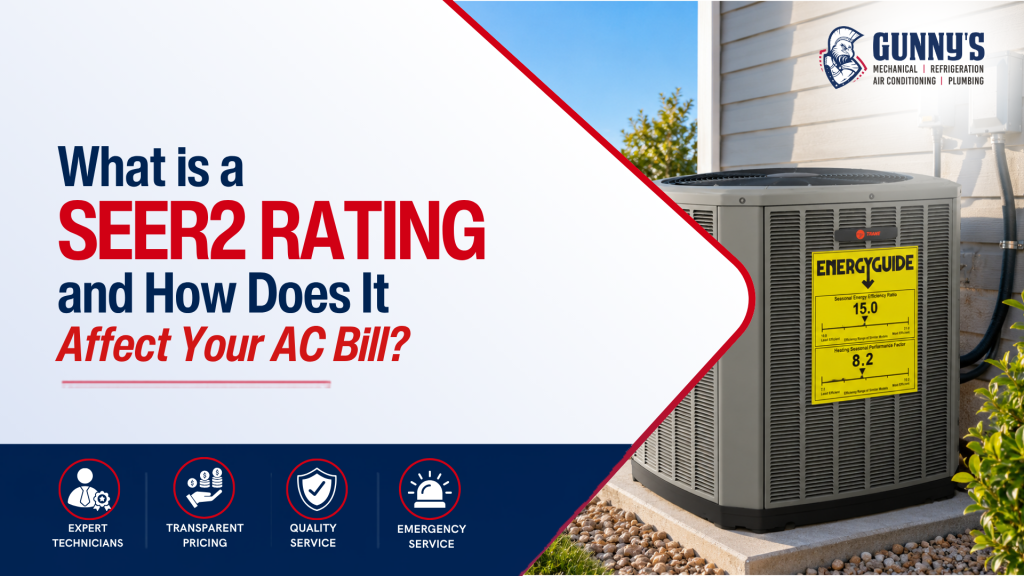
Energy efficiency in HVAC systems is measured using the SEER2 rating.
- Single stage systems typically range from 13 to 15 SEER2
- Two stage systems often range from 16 to 18 SEER2
- Variable speed systems can exceed 20 SEER2
Higher efficiency systems consume less electricity over time, which can lead to lower energy bills.
Which HVAC System Should You Choose?
The best HVAC system for your home depends on your priorities, climate, and budget.
- Choose a single stage HVAC system if affordability is your top priority.
- Choose a two stage HVAC system if you want better comfort and efficiency.
- Choose a variable speed HVAC system if you want the highest level of comfort and long-term energy savings.
If you are already experiencing cooling problems, it may also help to understand common issues such as why your AC might be blowing warm air or recognize signs your AC needs repair before deciding whether to replace your system.
Homeowners who are unsure whether to repair or replace their system can also review typical HVAC replacement costs in Las Vegas to better understand the investment involved.
Frequently Asked Questions
What is the main difference between single stage and two stage HVAC systems?
A single-stage HVAC system operates at full capacity whenever it turns on. A two-stage system can operate at both a lower and higher capacity, which improves efficiency and maintains more consistent indoor temperatures.
Is a two-stage HVAC system worth the extra cost?
Many homeowners find two-stage systems worth the investment because they provide improved comfort, better humidity control, and lower energy consumption compared to single-stage systems.
Are variable speed HVAC systems more energy efficient?
Yes. Variable-speed systems are typically the most energy-efficient option because they can adjust their output precisely instead of frequently turning on and off.
How long do HVAC systems usually last?
Most HVAC systems last between 12 and 20 years depending on maintenance, system quality, and installation. Regular maintenance can significantly extend system lifespan.
Can an oversized AC unit cause comfort problems?
Yes. An oversized system may cool the home too quickly and shut off before properly removing humidity. You can learn more about symptoms of an oversized AC unit if you suspect your system may be improperly sized.
What should I check if my AC fan is not spinning?
If your outdoor fan stops working, it may be due to capacitor failure, motor issues, or electrical problems. This guide on AC fan not spinning causes and fixes explains the most common reasons this happens.
For a broader overview of how different systems operate, you may also find this complete HVAC system guide helpful when researching replacement options.