When homeowners start shopping for a new HVAC system, the conversation usually revolves around equipment brands, efficiency ratings, and installation costs. While those factors matter, they are only part of the equation. A high-efficiency air conditioner or furnace can still deliver disappointing performance if the system isn’t designed correctly from the start.
Many comfort problems that homeowners experience, including uneven temperatures, excessive humidity, high utility bills, and frequent equipment breakdowns, often have less to do with the equipment itself and more to do with improper sizing and airflow design.
This is why professional HVAC contractors rely on Manual J, Manual S, and Manual D calculations. Developed by the Air Conditioning Contractors of America (ACCA), these industry-standard methodologies help ensure that heating and cooling systems are properly sized, correctly selected, and designed to distribute air efficiently throughout the home.
Understanding how these calculations work can help homeowners make informed decisions during a system replacement, new construction project, or major home renovation.
Why Proper HVAC Design Is More Important Than Equipment Size
One of the biggest misconceptions in the HVAC industry is that bigger equipment automatically provides better comfort. Many homeowners assume that installing a larger air conditioner or furnace will allow the system to heat or cool the home more effectively.
In reality, oversized equipment often creates more problems than it solves.
A cooling system that is too large may satisfy the thermostat quickly, causing it to shut off before it has adequately removed moisture from the air. The result is a home that feels cool but still feels damp and uncomfortable. Similarly, oversized heating systems can cycle on and off frequently, increasing wear on components and reducing efficiency.
At the opposite end of the spectrum, undersized equipment may struggle to maintain indoor temperatures during extreme weather conditions.
To avoid these issues, HVAC design follows a structured process that begins with understanding the home’s actual heating and cooling requirements. This is where Manual J comes into the picture.
What Is Manual J and Why Is It Important?
Manual J is the industry-standard residential load calculation method used to determine how much heating and cooling a home requires. Instead of relying on rough estimates or square-footage-based rules, Manual J evaluates the specific characteristics of a property to calculate its heating and cooling loads accurately.
Every home gains and loses heat differently. Factors such as insulation quality, window efficiency, building orientation, ceiling height, occupancy levels, and local climate conditions all influence how much conditioned air is needed to maintain indoor comfort.
A proper Manual J calculation typically considers:
- Home size and layout
- Insulation levels throughout the structure
- Window type, size, and orientation
- Local weather and climate data
- Air leakage and infiltration rates
- Number of occupants
- Internal heat gains from lighting and appliances
The result is a detailed calculation expressed in BTUs per hour, providing a clear picture of how much cooling and heating the home actually needs.
The Real Value of Manual J Calculations
Manual J removes the guesswork from HVAC sizing. Rather than selecting equipment based on assumptions, contractors can use real data to determine the home’s requirements.
For example, two homes with identical square footage may require completely different HVAC capacities. One home may have upgraded insulation, energy-efficient windows, and excellent air sealing, while the other may have significant heat gain and air leakage issues.
Without a proper load calculation, equipment selection becomes little more than an educated guess. Homeowners researching air conditioner sizing requirements often discover that square footage alone is not enough to determine the correct system capacity.
A correctly performed Manual J calculation helps:
- Improve indoor comfort
- Reduce energy waste
- Prevent equipment oversizing
- Improve humidity control
- Extend HVAC system lifespan
However, knowing the home’s heating and cooling load is only the first step. The next challenge is selecting equipment that can actually meet those requirements.
Understanding Manual S: Selecting the Right HVAC Equipment
Once the load calculation is complete, contractors move to Manual S, which focuses on equipment selection.
Many people assume that if a home requires 36,000 BTUs of cooling, they simply need a three-ton air conditioner. In practice, equipment selection is far more complex than matching a number.
Different HVAC systems perform differently depending on outdoor temperatures, indoor conditions, airflow rates, and manufacturer specifications. Two systems with the same nominal capacity may deliver different cooling and heating outputs under real-world operating conditions.
Manual S bridges the gap between load calculations and equipment selection by using manufacturer performance data to determine which system best matches the home’s needs.
During the Manual S process, contractors evaluate:
- Cooling capacity
- Heating capacity
- Sensible cooling performance
- Latent cooling performance
- Local design temperatures
- Airflow requirements
- Equipment efficiency ratings
This approach ensures the selected equipment can maintain comfort without being significantly oversized or undersized.
Why Manual S Matters for Home Comfort
Improper equipment selection can undermine the benefits of an accurate load calculation.
For example, an oversized air conditioner may cool the home quickly but fail to control indoor humidity effectively. A system with insufficient latent capacity may struggle in humid climates even if it technically meets the cooling load.
Manual S helps ensure that the equipment chosen for the home aligns with both comfort and performance goals. This becomes especially important when planning an air conditioning installation or evaluating replacement equipment options.
When performed correctly, it contributes to:
- More stable indoor temperatures
- Better humidity management
- Improved energy efficiency
- Lower operating costs
- Reduced equipment wear
After the equipment has been selected, the final piece of the puzzle involves delivering conditioned air to every room in the home.
What Is Manual D?
Manual D is the duct design standard used to determine how air should move through the HVAC system.
Many homeowners focus on the air conditioner, heat pump, or furnace while overlooking the ductwork that distributes conditioned air throughout the home. However, even the best equipment cannot perform properly if the duct system is poorly designed.
Manual D provides a framework for designing duct systems that deliver the correct amount of airflow to each room while minimizing resistance and pressure losses.
Instead of relying on generic duct sizes, Manual D calculations determine the airflow requirements for each space based on the heating and cooling loads established during the Manual J process.
Contractors use these calculations to design:
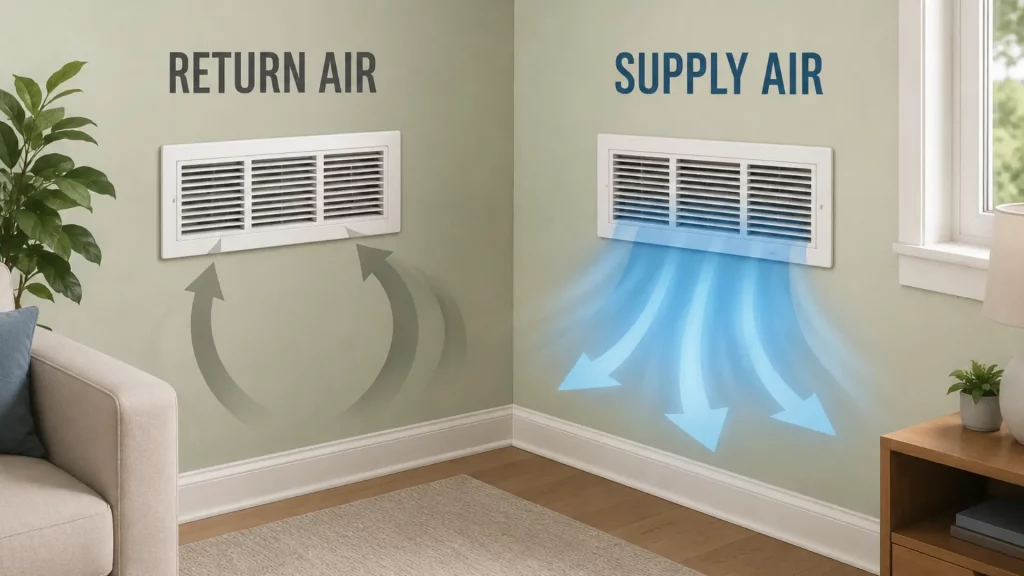
- Supply ducts
- Return ducts
- Air distribution layouts
- Register placement
- Air balancing strategies
The goal is to ensure every room receives the airflow required to maintain comfort.
The Impact of Proper Duct Design
Poor duct design is one of the leading causes of HVAC performance problems.
Even when equipment is properly sized, inadequate airflow can create issues such as:
- Hot and cold spots throughout the home
- Excessive system noise
- Reduced energy efficiency
- Higher utility costs
- Increased equipment strain
- Poor indoor comfort
A properly designed duct system allows the equipment to operate as intended while maintaining balanced temperatures throughout the home.
How Manual J, Manual S, and Manual D Work Together
While these calculations are often discussed individually, they are designed to function as a complete HVAC design process.
The sequence typically follows three steps.
- First, Manual J determines how much heating and cooling the home requires.
- Second, Manual S uses those results to identify equipment capable of meeting those demands efficiently.
- Third, Manual D designs a duct system that can distribute the required airflow throughout the building.
These calculations are a critical part of designing a complete HVAC system that delivers both comfort and long-term performance.
Each step depends on the accuracy of the previous one. If the load calculation is incorrect, the equipment selection may be flawed. If the equipment is properly selected but the duct system is poorly designed, comfort and efficiency problems can still occur.
When all three calculations are performed correctly, they create a balanced HVAC system that delivers comfort, efficiency, and long-term reliability.
Common Mistakes Homeowners Should Watch For
Many HVAC projects still move forward without comprehensive design calculations. Contractors may rely on equipment replacement matching, square footage estimates, or simplified sizing methods that fail to account for the home’s unique characteristics.
Homeowners should be cautious when contractors recommend equipment sizes without performing any type of load calculation.
Questions worth asking include:
- Was a Manual J load calculation completed?
- How was the equipment selected?
- Was the duct system evaluated?
- Will airflow requirements be verified after installation?
A contractor who follows recognized HVAC design standards is generally better positioned to deliver a system that performs as expected. This is particularly important when considering a major system upgrade and reviewing potential HVAC replacement costs.
Final Thoughts
Manual J, Manual S, and Manual D calculations form the foundation of professional HVAC design. Together, they ensure that heating and cooling equipment is selected based on actual building requirements rather than assumptions or outdated rules of thumb.
Manual J determines the home’s heating and cooling load. Homeowners evaluating furnace performance can also benefit from understanding proper heating system sizing principles before investing in new equipment.
Manual S identifies equipment that can meet those requirements under real-world conditions. Whether you’re planning a new heating installation or upgrading cooling equipment, proper system selection plays a critical role in long-term comfort.
Manual D ensures that conditioned air is distributed efficiently throughout the home.
When all three calculations are used together, homeowners benefit from better comfort, improved humidity control, lower energy costs, and more reliable HVAC performance. Whether you’re replacing an aging system or building a new home, understanding these calculations can help you make better decisions and avoid many of the problems associated with improperly designed HVAC systems. If you’re exploring replacement options, using an HVAC price calculator can provide a helpful starting point before consulting with a contractor.
For homeowners considering cooling upgrades, working with professionals who specialize in air conditioning systems can help ensure the design process follows recognized industry standards from start to finish.
Frequently Asked Questions
1. Can an HVAC system be installed without Manual J, Manual S, and Manual D calculations?
Yes, but doing so increases the risk of comfort and performance issues. Without these calculations, equipment may be oversized, undersized, or connected to ductwork that cannot deliver proper airflow. Professional HVAC design standards recommend using all three calculations to achieve optimal results.
2. How long does a Manual J calculation typically take?
The time required depends on the size and complexity of the home. For most residential properties, contractors may spend several hours collecting building information and performing calculations. Larger homes or custom construction projects often require additional analysis.
3. Are Manual J calculations required for HVAC replacement projects?
In many cases, yes. A home’s heating and cooling requirements can change over time due to renovations, insulation upgrades, new windows, or air sealing improvements. Performing a new load calculation helps ensure the replacement system is sized correctly for current conditions. Homeowners planning a system upgrade should avoid relying solely on the size of their existing equipment and instead evaluate current HVAC sizing requirements.
4. What happens if ductwork is not designed using Manual D principles?
Improper duct design can restrict airflow and reduce system performance. Common symptoms include uneven temperatures, noisy operation, excessive energy consumption, and premature equipment wear. Proper duct sizing helps maximize both comfort and efficiency.
5. Which calculation has the biggest impact on HVAC performance?
All three are important because they work together. Manual J establishes the load requirements, Manual S selects appropriate equipment, and Manual D ensures proper air distribution. Ignoring any one of these steps can negatively affect overall system performance. Together, they form the foundation of a properly designed HVAC system that delivers consistent comfort and efficiency.