Most homeowners schedule air duct cleaning because they’re concerned about dust, allergies, or poor airflow. What many don’t realize is that a professional cleaning appointment often reveals problems that have been developing inside the duct system for years.
Your ductwork is hidden behind walls, ceilings, and attics, making it one of the least inspected parts of your HVAC system. During a professional cleaning, technicians don’t just remove dust. They inspect the entire system for damage, airflow restrictions, contamination, and signs of wear that could affect your home’s comfort and energy efficiency.
Some findings require nothing more than a thorough cleaning. Others may indicate the need for duct repairs, air duct sealing, or replacement to restore proper system performance.
Why Professional Duct Cleaning Includes an Inspection
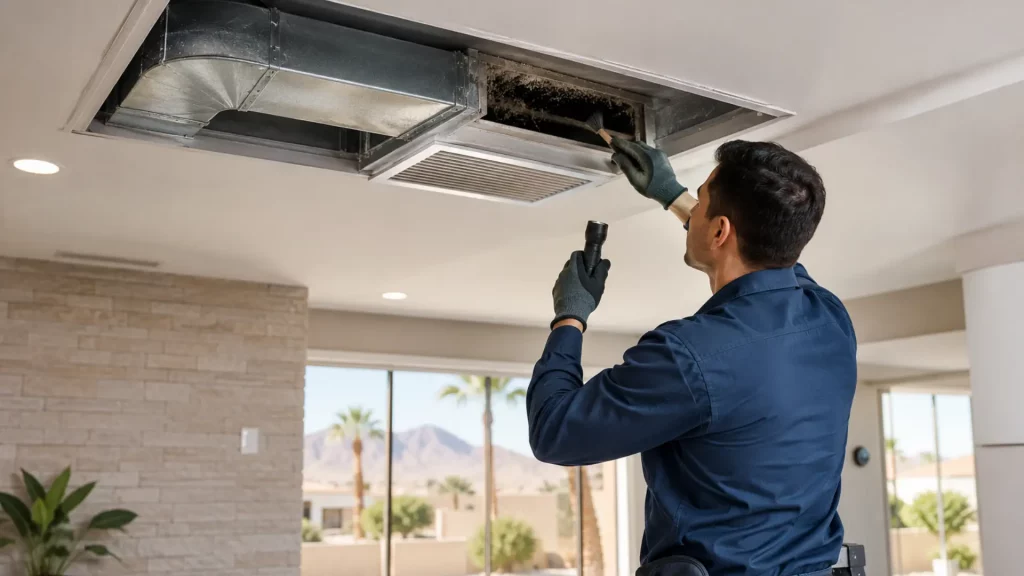
Professional duct cleaning isn’t simply running a vacuum through the vents. If you’re unfamiliar with the process, understanding how professional air duct cleaning works can help explain why inspections are such an important part of the service.
Experienced technicians inspect supply ducts, return ducts, registers, grilles, accessible connections, and major components of the HVAC system before cleaning begins. This inspection helps determine whether cleaning alone is appropriate or whether underlying problems should be addressed first.
Finding these issues early can help prevent:
- Reduced airflow
- Higher utility bills
- Uneven room temperatures
- Poor indoor air quality
- Excess wear on heating and cooling equipment
1. Heavy Dust and Debris Buildup
Dust is the most common material found inside residential ductwork. If you constantly notice dust returning shortly after cleaning, there may be more than one cause. Learn why your house gets dusty so quickly.
Over time, everyday household dust, lint, pet dander, pollen, and other airborne particles settle inside the ducts. Homes with pets, recent remodeling projects, or inadequate filtration often experience faster buildup. Large accumulations can partially restrict airflow, especially in sections with multiple bends or smaller duct diameters.
During cleaning, technicians evaluate whether the buildup is simply surface dust or significant enough to reduce airflow.
Possible signs include:
- Dust blowing from supply vents
- Rooms that take longer to heat or cool
- Increased dust accumulation after cleaning the home
- Reduced airflow from certain vents
2. Leaking or Disconnected Duct Sections
One of the most valuable discoveries during duct cleaning is finding duct leaks.
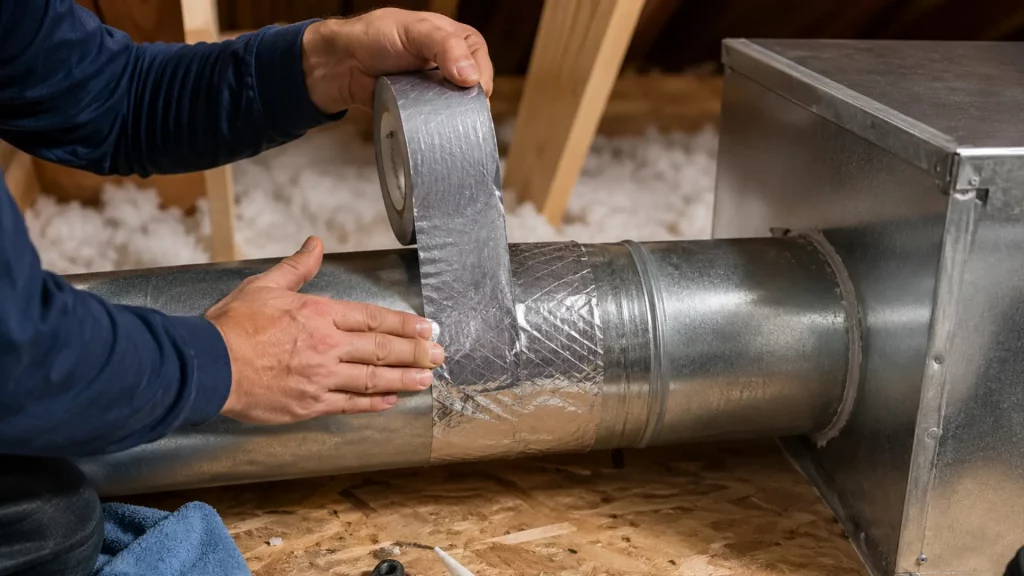
Over time, duct connections can loosen, tape can deteriorate, or flexible ducts may separate at joints. Conditioned air then escapes into attics, crawl spaces, garages, or wall cavities instead of reaching the intended rooms.
Many homeowners assume their HVAC equipment is losing efficiency when the actual problem is air escaping before it reaches the living space.
Technicians may identify:
- Loose connections
- Failed seals
- Disconnected flexible ducts
- Gaps around duct joints
Cleaning alone won’t solve these issues. In many cases, technicians also identify signs of damaged ductwork that require repair or sealing.
3. Mold or Moisture Problems
Moisture inside ductwork is never considered normal.
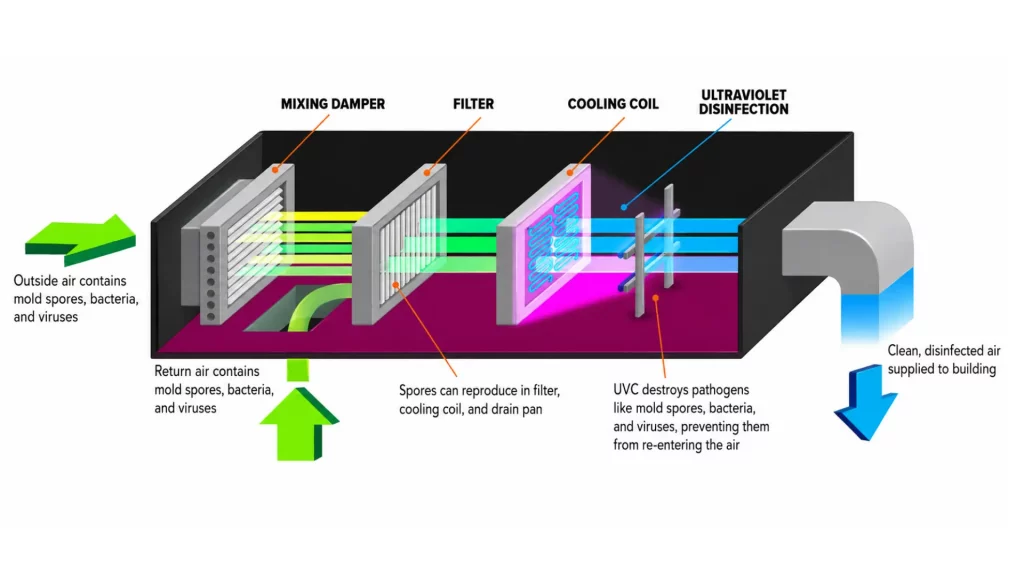
During inspections, technicians sometimes find condensation, water stains, or visible microbial growth. Moisture often develops because of poorly insulated ducts, excessive indoor humidity, drainage issues, or HVAC system problems.
When suspected mold is discovered, responsible HVAC professionals typically recommend confirming the source of the moisture before focusing only on cleaning. Simply removing visible growth without addressing the moisture problem often leads to recurrence.
Possible warning signs include:
- Musty odors
- Visible discoloration
- Persistent moisture
- Condensation around ducts
4. Pest Activity Inside Ductwork
Rodents and insects occasionally enter duct systems through damaged ductwork, crawl spaces, attics, or exterior openings.
During cleaning, technicians may discover:
- Nesting materials
- Droppings
- Chewed insulation
- Damaged flexible ducts
Besides creating contamination, pests can damage insulation and airflow pathways.
If active infestation is present, pest removal should typically occur before completing a full duct cleaning.
5. Crushed or Damaged Flexible Ducts
Flexible ductwork is common in many homes, but it can become damaged over time.
Storage boxes in attics, foot traffic during maintenance, or improper installation may compress flexible ducts, reducing airflow.
Technicians often find:
- Kinks
- Sharp bends
- Crushed sections
- Torn duct jackets
Even a clean duct cannot deliver proper airflow if the duct itself is physically restricted.
6. Poorly Sealed Duct Joints
Not every air leak comes from disconnected ducts.
Small gaps around duct joints gradually allow conditioned air to escape while pulling dusty attic or crawl-space air into the system. This can increase dust inside the home while forcing the HVAC system to run longer. Professional inspections frequently identify sealing issues that homeowners would never notice because they occur in hidden areas.
7. Construction Debris Left Inside the Ducts
Homes that have been recently built or remodeled sometimes contain construction debris inside the ductwork.
Technicians occasionally remove:
- Drywall dust
- Sawdust
- Wood scraps
- Fasteners
- Insulation particles
Even if the HVAC system was covered during construction, debris can still enter through open vents or incomplete duct connections.
Removing these materials helps restore cleaner airflow throughout the home.
8. Excess Pet Hair and Allergens
Homes with multiple pets often accumulate more than ordinary household dust.
Hair, dander, and fine particles can settle inside return ducts over time.
While duct cleaning alone isn’t a cure for allergies, reducing pet dander and indoor air quality issues may improve overall comfort.
Good filtration and routine HVAC maintenance remain equally important.
9. Rust or Corrosion in Older Duct Systems
Older metal ductwork may show signs of rust or corrosion, particularly in humid areas or where condensation has occurred.
Surface corrosion isn’t always a structural concern, but significant deterioration may indicate that portions of the duct system should be repaired or replaced.
Technicians evaluate whether corrosion is cosmetic or affecting the integrity of the duct.
10. Dirty Supply and Return Registers
Sometimes the most visible problem isn’t inside the ducts at all.
Supply and return registers often collect dust, pet hair, and debris that can restrict airflow and affect the appearance of clean indoor spaces.
Professional cleaning typically includes removing and cleaning accessible registers as part of the overall service.
Not Every Problem Requires Duct Replacement
One misconception homeowners have is that any issue discovered during duct cleaning means the entire duct system needs to be replaced.
In reality, the solution depends on the condition of the ductwork.
| Problem Found | Typical Solution |
|---|---|
| Dust buildup | Professional cleaning |
| Minor air leaks | Duct sealing |
| Loose connections | Duct repair |
| Crushed flexible duct | Section replacement |
| Moisture issues | Identify and correct moisture source |
| Severe deterioration | Partial or full duct replacement |
An experienced HVAC technician will explain what was found, document any concerns, and recommend only the repairs that are necessary.
How to Know if Your Duct System Should Be Evaluated
You may benefit from a professional duct inspection if you notice:
- Certain rooms receive much less airflow than others.
- Dust quickly returns after cleaning.
- You smell musty odors when the HVAC system runs.
- Energy bills have increased without another clear explanation.
- You recently completed a remodeling project.
- You suspect pests have entered the ductwork.
These symptoms don’t automatically mean your ducts need cleaning, but they are valid reasons to have the system inspected. If you’re unsure whether poor indoor air quality is related to your ductwork, you can also test your home’s indoor air quality before scheduling service.
Final Thoughts
Most homeowners think of air duct cleaning as a service that simply removes dust. In reality, it’s also one of the best opportunities to evaluate the condition of a hidden but essential part of your HVAC system.
During a professional cleaning appointment, experienced technicians may discover air leaks, disconnected duct sections, moisture problems, pest activity, construction debris, or damaged flexible ducts that affect comfort, efficiency, and indoor air quality. Identifying these issues early can help prevent more expensive repairs and improve overall system performance.
At the same time, it’s important to recognize that not every home needs duct cleaning and not every HVAC problem starts inside the ductwork. A qualified technician should begin with a thorough inspection, explain their findings, and recommend only the services that genuinely address the condition of your system.
When cleaning is combined with an honest assessment of the ductwork, homeowners gain more than cleaner air passages. They gain a clearer understanding of how their HVAC system is performing and what steps, if any, are needed to keep it operating efficiently for years to come.
Frequently Asked Questions
How often should air ducts be professionally cleaned?
There is no universal schedule that applies to every home. The need for duct cleaning depends on factors such as visible debris, recent renovations, pest activity, moisture problems, and the overall condition of the HVAC system. A professional inspection can help determine whether cleaning is necessary.
Can dirty air ducts reduce HVAC efficiency?
Heavy debris or airflow restrictions inside ductwork may reduce system efficiency. However, many efficiency problems are caused by air leaks, damaged ducts, clogged filters, or HVAC equipment issues rather than dust alone. A complete inspection helps identify the actual cause.
Does duct cleaning remove mold?
Cleaning may remove contamination from accessible areas, but it does not solve the underlying moisture problem that allows mold to develop. If microbial growth is suspected, the source of the moisture should be identified and corrected before cleaning is considered a long-term solution.
Can damaged ducts be repaired instead of replaced?
In many cases, yes. Loose connections, failed seals, and isolated damaged sections can often be repaired. However, extensive deterioration, collapsed ducts, or widespread damage may make replacement the more practical option.
Will duct cleaning solve uneven temperatures in my home?
Not always. Uneven temperatures can result from several factors, including leaking ducts, poor duct design, insufficient insulation, HVAC equipment problems, or thermostat issues. Cleaning may improve airflow if debris is the cause, but a professional inspection is needed to determine the best solution.