Buying a new heating and cooling system is a significant investment. Most homeowners compare efficiency ratings before making a decision because they want lower utility bills and better indoor comfort. While efficiency ratings are important, they are only one part of choosing the right HVAC system.
Many people focus on a single number without understanding what it actually measures. Others assume that a higher rating always means better performance. These misunderstandings often lead to higher operating costs, reduced comfort, and expensive repairs in the future.
This guide explains the most common mistakes homeowners make when comparing HVAC efficiency ratings and shows what you should consider before purchasing a new system.
Why HVAC Efficiency Ratings Matter
HVAC efficiency ratings help estimate how effectively a system converts energy into heating or cooling. They provide a standard way to compare different models and can help predict long term operating costs.
Depending on the equipment, you may see ratings such as:
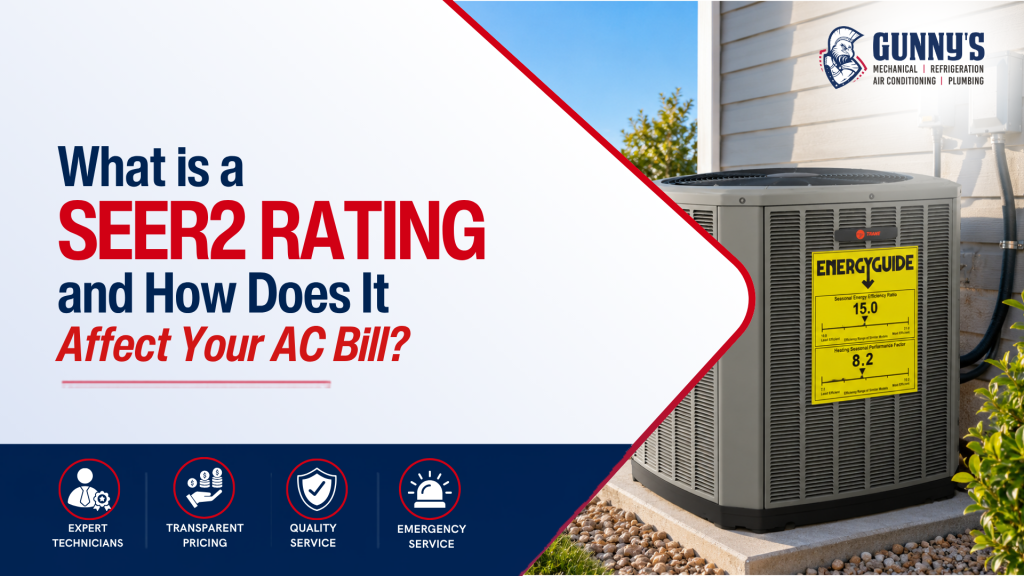
- SEER2 for cooling efficiency during an entire cooling season
- EER2 for efficiency under specific operating conditions
- HSPF2 for heat pump heating performance
- AFUE for furnace efficiency
Each rating measures something different. Understanding these differences helps you compare systems more accurately and choose equipment that fits your home’s needs.
If you’re unsure how these ratings differ, read our complete guide to SEER2 vs. EER2 vs. HSPF2 to understand what each measurement means and when it matters during the buying process.
Mistake #1: Comparing Different Ratings as if They Measure the Same Thing
One of the biggest mistakes homeowners make is assuming every efficiency rating represents the same type of performance.
For example, SEER2 measures seasonal cooling efficiency, while AFUE measures how efficiently a furnace converts fuel into heat. Comparing these numbers directly is like comparing fuel economy with engine horsepower. They serve different purposes.
Instead of focusing on the highest number, compare systems using the same efficiency standard.
For example:
- Compare SEER2 ratings between air conditioners.
- Compare HSPF2 ratings between heat pumps.
- Compare AFUE ratings between gas furnaces.
This allows you to make meaningful comparisons.
Mistake #2: Choosing the Highest Rating Without Considering Your Climate
Higher efficiency ratings are not always the best investment for every homeowner.
A system with a very high SEER2 rating may deliver excellent savings in areas with long, hot summers. However, homeowners in regions with mild temperatures may never recover the additional purchase cost through lower energy bills.
Climate plays a major role in determining the value of higher efficiency equipment.
Consider factors such as:
- Average summer temperatures
- Winter heating demand
- Local energy prices
- Number of months you use heating and cooling each year
Selecting equipment that matches your local climate often delivers better overall value than simply buying the highest rated model available.
Mistake #3: Ignoring Proper HVAC Sizing
Even the most efficient HVAC system cannot perform properly if it is the wrong size.
- An oversized unit cools or heats the home too quickly, causing frequent on and off cycles. This reduces efficiency, increases wear on components, and often leaves humidity levels too high.
- An undersized system runs longer than necessary, struggles to maintain comfortable temperatures, and consumes more energy.
Proper sizing is just as important as choosing an efficient model. A correctly sized system provides better comfort, improved energy savings, and a longer equipment lifespan. Our ac sizing guide explains how contractors determine the correct system capacity and why choosing the right size is critical for comfort and efficiency.
Mistake #4: Assuming Installation Quality Doesn’t Affect Efficiency
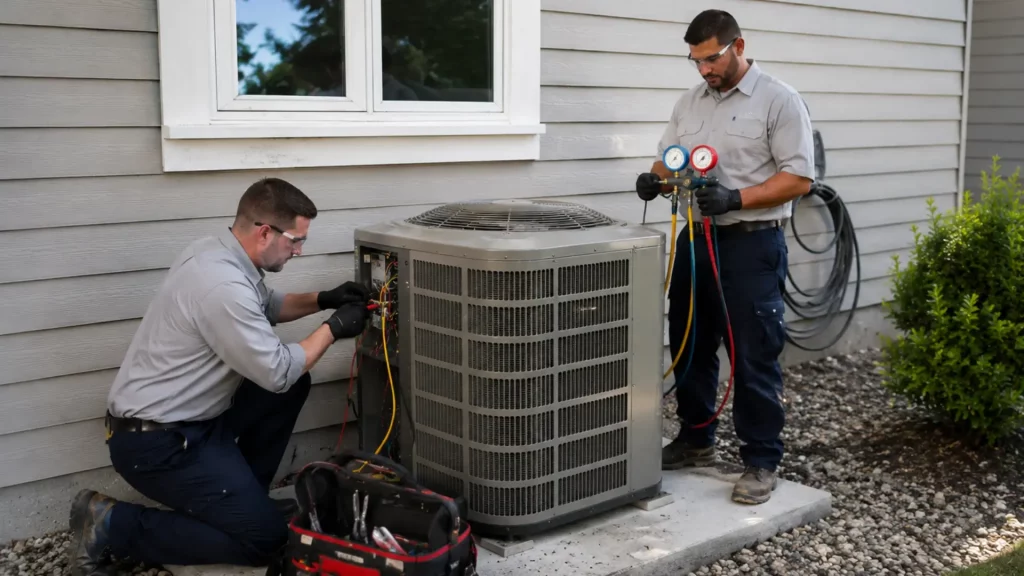
A high efficiency HVAC unit can lose much of its performance if it is installed incorrectly.
Poor installation may include:
- Improper refrigerant charge
- Leaky ductwork
- Incorrect airflow settings
- Poor thermostat placement
- Inadequate insulation around ducts
These issues force the system to work harder and reduce the efficiency you expected when purchasing it.
Choosing an experienced HVAC contractor is just as important as choosing the equipment itself.
Mistake #5: Looking Only at Upfront Cost
Price often influences purchasing decisions, but focusing only on the initial cost can become more expensive over time. Lower priced equipment may use more electricity every month, require more repairs, and have a shorter service life.
When comparing systems, consider the total cost of ownership, including:
- Purchase price
- Installation costs
- Monthly energy bills
- Maintenance expenses
- Expected lifespan
- Warranty coverage
A slightly higher initial investment may provide meaningful savings throughout the life of the system.
Mistake #6: Ignoring Maintenance Requirements
Efficiency depends on regular maintenance.
Dirty filters, clogged coils, blocked airflow, and neglected inspections gradually reduce performance and increase energy consumption.
Routine maintenance helps:
- Maintain energy efficiency
- Improve indoor air quality
- Extend equipment life
- Reduce unexpected repairs
- Keep manufacturer warranties valid in many cases
Before purchasing an HVAC system, ask about recommended maintenance schedules and service requirements.
Mistake #7: Buying Without Professional Load Calculations
Many homeowners replace their existing HVAC unit with the same size without confirming whether it is still appropriate for the home.
However, homes change over time. New insulation, replacement windows, home additions, and air sealing improvements all affect heating and cooling requirements.
A professional load calculation evaluates factors such as:
- Home size
- Ceiling height
- Window placement
- Insulation levels
- Local climate
- Number of occupants
- Air leakage
Before purchasing new equipment, learn how Manual J, Manual S, and Manual D calculations work together to ensure your HVAC system is properly designed for your home.
This calculation helps determine the correct equipment capacity instead of relying on guesswork. Skipping this step often results in lower efficiency and reduced comfort.
Quick Checklist Before You Buy
Before purchasing a new HVAC system, review the following checklist:
- Compare the correct efficiency ratings for the equipment type.
- Consider your local climate before selecting a high efficiency model.
- Confirm the system is properly sized for your home using professional load calculations instead of relying on the size of your existing unit.
- Hire a qualified contractor with experience installing HVAC systems.
- Compare lifetime operating costs, not just purchase price.
- Understand maintenance requirements before making a decision.
- Request a professional load calculation before installation.
- Review warranty coverage and available service support.
Following these steps helps you choose equipment that delivers reliable comfort and long term value. If you’re still comparing equipment options, our complete HVAC system guide walks through the different types of heating and cooling systems, their benefits, and what to consider before making a decision.
Frequently Asked Questions
1. Is a higher SEER2 rating always better?
Not necessarily. Higher SEER2 systems generally use less energy, but the additional cost may not provide meaningful savings in every climate. The best choice depends on your cooling needs, local energy prices, and budget.
2. Can installation quality affect HVAC efficiency?
Yes. Incorrect installation can significantly reduce efficiency, increase energy use, and shorten the system’s lifespan. Professional installation is essential for achieving the manufacturer’s expected performance.
3. How important is HVAC sizing?
Proper sizing is one of the most important factors affecting comfort and efficiency. A system that is too large or too small will often consume more energy and provide inconsistent temperatures.
4. What is a load calculation?
A load calculation is a detailed assessment that determines the heating and cooling capacity your home requires based on its design, insulation, windows, climate, and other factors.
5. Should I replace my HVAC system with the same size unit?
Not automatically. Your home’s heating and cooling needs may have changed since the original system was installed. A professional load calculation should be performed before selecting replacement equipment.
Final Thoughts
Comparing HVAC efficiency ratings is an important part of buying a new heating and cooling system, but efficiency numbers alone do not tell the whole story.
The right equipment depends on several factors, including climate, proper sizing, installation quality, maintenance, and long term operating costs. Understanding these factors helps you make an informed decision that improves comfort while reducing energy expenses over the life of the system.
Before making a final purchase, consult a qualified HVAC professional who can evaluate your home’s specific requirements, perform the necessary load calculations, and recommend equipment that delivers reliable performance for years to come. If you’re planning to replace your current system, learn more about our professional air conditioning installation services and how expert installation helps maximize efficiency and long-term performance.