A burst pipe can quickly turn into a stressful situation. You might notice water leaking, a sudden drop in pressure, or stains forming on walls and ceilings. The key is to act fast and take the right steps to limit damage.
Below is a quick checklist, followed by detailed guidance to help you handle the situation effectively.
Immediate Steps to Take
1. Shut Off Water and Electricity Immediately
The first priority is to stop the water flow. Locate your main water shut-off valve, which is typically found in a basement, crawlspace, or near the water heater. Turning this off will prevent further flooding.
If you can identify the damaged pipe, make a note of its location so the plumber can address it quickly.
Next, consider turning off electricity in affected areas. Water and electricity together create serious safety risks. If you’re unsure which circuits are impacted, it’s safer to shut off power to the entire home.
2. Call a Professional Plumber
Once the water is under control, contact a licensed plumber right away. If you’re unable to shut off the water, treat it as an emergency and call an emergency plumbing service immediately.
3. Check Indoor Temperature
Freezing temperatures are one of the most common reasons pipes burst. If the issue is related to cold conditions, you’ll need to address it to prevent further damage.
Pipes in areas like garages, basements, and crawlspaces are especially vulnerable. Adding insulation or temporary heating can help reduce the risk of another burst.
4. Begin Removing Water
Start clearing out any standing water as soon as possible. Use towels, mops, or a wet/dry vacuum depending on the severity.
If there’s a chance the water is contaminated (for example, from a sewer line), wait for a professional before cleaning.
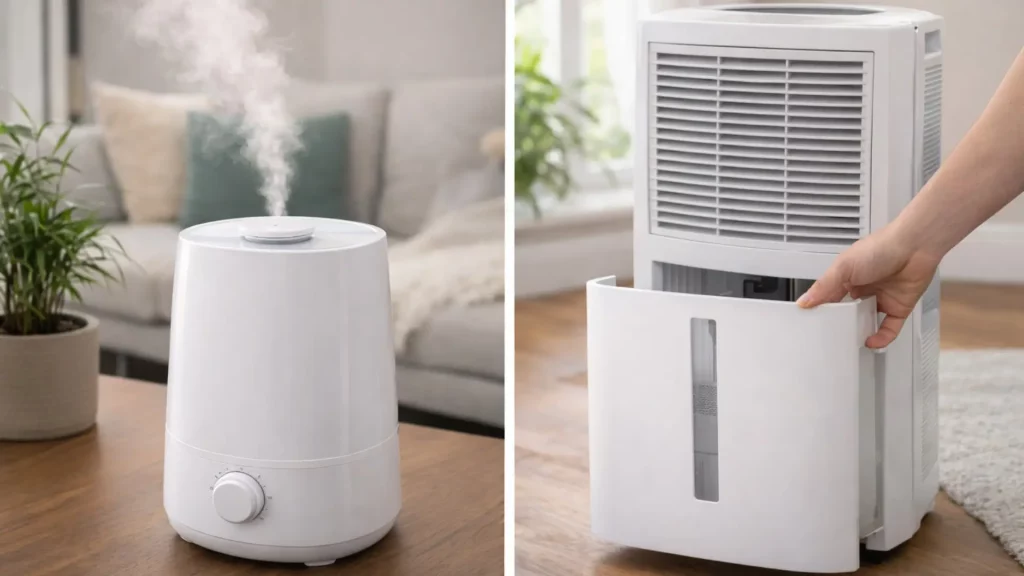
To speed up drying, open windows and use fans or a dehumidifier. This helps prevent mold growth and further structural damage.
Also Read: Humidifier vs Dehumidifier
5. Document Damage for Insurance
Take clear photos and videos of all affected areas. A video walkthrough can capture details you might miss in the moment.
Create a list of damaged items, including their brand, condition, and approximate value. This will make the insurance claim process smoother and more accurate.
Signs You May Have a Burst Pipe
A burst pipe doesn’t always lead to obvious flooding. In many cases, the early warning signs are subtle and easy to overlook. Catching these signs early can prevent serious structural damage and costly repairs.
- Visible Water Leaks: Water collecting under sinks, seeping through walls, or dripping from exposed pipes is one of the most direct indicators of a pipe failure. Even a small, consistent leak should not be ignored.
- Unexplained Increase in Water Bills: If your water usage hasn’t changed but your bill has increased significantly, there’s a strong chance water is escaping somewhere in your system. Hidden pipe damage is often the cause.
- Discolored or Cloudy Water: Water that appears brown, yellow, or cloudy may indicate rust, sediment, or contamination entering through a damaged pipe. This is not safe for consumption and should be addressed immediately.
- Persistent Unusual Odors: Musty smells or sewage-like odors often point to leaking pipes or moisture buildup inside walls. Left untreated, this can quickly lead to mold growth and indoor air quality issues.
- Sudden Drop in Water Pressure: A noticeable reduction in water pressure across faucets or showers can signal a break or leak in your plumbing system, especially if it happens suddenly.
- Stains on Walls or Ceilings: Dark spots, bubbling paint, or damp patches on walls and ceilings are often signs of hidden water leaks. These usually indicate the problem has been developing for some time.
- Unusual Pipe Noises: Sounds like banging, rattling, or hissing inside walls can indicate pressure imbalances or cracks in the pipes. These noises are often early warning signs before a full pipe failure.
Common Causes of Burst Pipes and How to Prevent Them
Most burst pipe situations are preventable with the right maintenance and awareness. Understanding the root causes helps you reduce the risk significantly.
1. Freezing Temperatures:
When temperatures drop, water inside pipes can freeze and expand. This creates internal pressure that can cause pipes to crack or burst, especially in unheated areas.
How to prevent it:
- Insulate exposed pipes in basements, garages, and crawlspaces
- Maintain a consistent indoor temperature, even when away
- Open cabinets under sinks to allow warm air to circulate around pipes
2. Pipe Blockages:
Clogs restrict water flow and increase internal pressure. Over time, this pressure can weaken the pipe and lead to a rupture.
How to prevent it:
- Never pour grease, oil, or food waste down drains
- Schedule routine drain cleaning and maintenance
- Address slow drains early before they turn into full blockages
3. External Pressure and Damage:
Underground pipes can be damaged by tree roots, construction activity, or heavy equipment. These external forces can cause cracks or complete pipe failure.
How to prevent it:
- Always contact utility services before digging on your property
- Avoid planting trees or large shrubs near underground plumbing lines
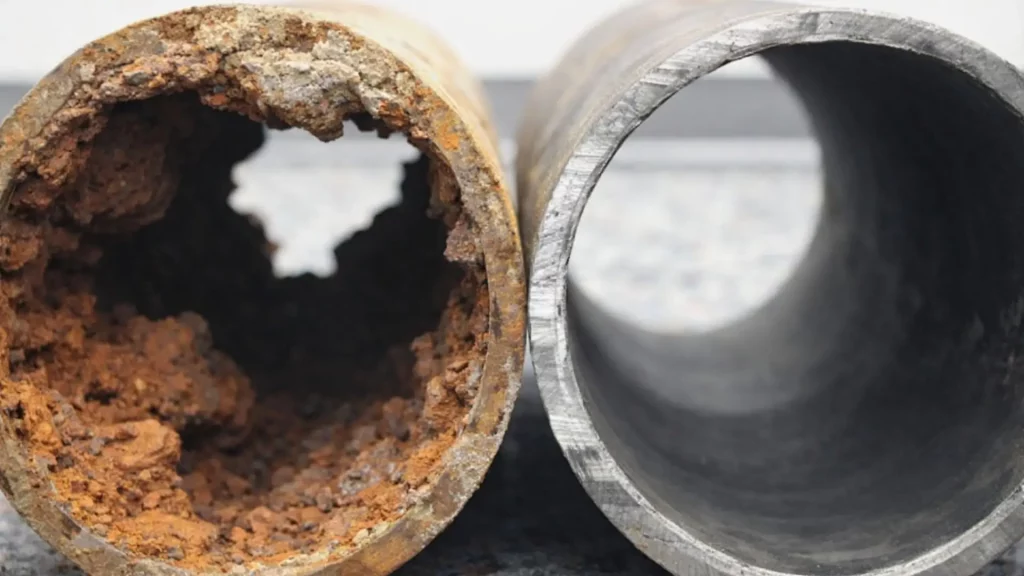
4. Corrosion and Aging Pipes:
Older pipes, especially metal ones, are prone to corrosion over time. As they weaken, they become more susceptible to leaks and sudden breaks.
How to prevent it:
- Schedule regular plumbing inspections
- Replace aging or corroded pipes before they fail
- Upgrade outdated plumbing materials when possible
Final Thought
A burst pipe is not just a plumbing issue it can quickly become a structural and financial problem if ignored. The difference between minor repair and major damage often comes down to how quickly you identify the warning signs.
Stay proactive. Regular inspections, timely maintenance, and early action will save you from expensive repairs and unnecessary stress.