Low water pressure is one of those problems that shows up at the worst possible time. Showers become frustrating, taps take forever to fill a bucket, and appliances don’t work the way they should. The good part is this: in many homes, the cause is not complicated. You just need to approach it in the right order.
Let’s start with what actually works first.
Low Water Pressure in House? Try These Fixes First
Before assuming there’s a serious plumbing issue, it’s worth checking a few things that often solve the problem quickly.
- Check the main water valve. Even a slightly closed valve can reduce pressure across the entire house.
- Clean faucet aerators and showerheads. Mineral buildup is one of the most common causes of weak flow.
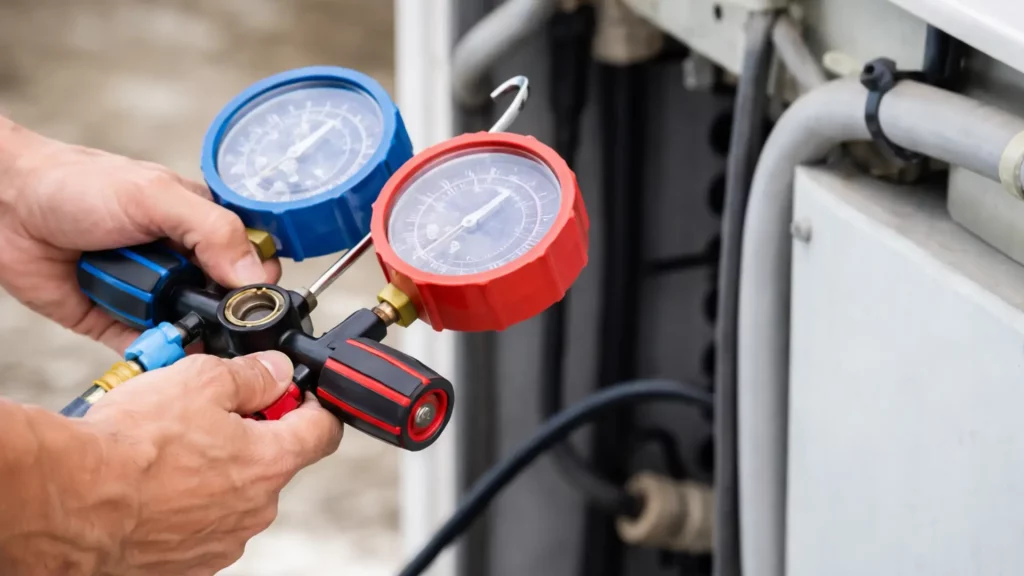
- Test your water pressure using a gauge. Normal pressure should be between 40 and 60 PSI.
- Look for visible leaks around sinks, appliances, and exposed pipes.
- Ask a neighbor if they’re facing the same issue. It could be a supply problem.
If none of these steps fix the issue, it’s time to look deeper.
Why Is My Water Pressure Low in My House?
Water pressure is the force that pushes water through your plumbing system. When that force drops, everything slows down.
In most homes, pressure should stay between 40 and 60 PSI. When it drops below that range, you’ll notice weaker flow. If it goes below 30 PSI, it usually points to a more serious issue.
One important clue is how the problem started. A sudden drop usually indicates a valve issue, leak, or supply disruption. A gradual decline often points to buildup inside pipes or aging plumbing.
Water Pressure in House Suddenly Low? Start Here
If your water pressure dropped suddenly, focus on recent changes or quick failures in the system.
- A partially closed valve after recent plumbing work
- A hidden leak somewhere in the system
- A temporary issue with the municipal supply
- A failing pressure regulator
If you suspect a leak but cannot find it, it’s worth checking if your water meter is moving when everything is off. This is often a clear sign of hidden water loss.
No Water Pressure in My House? What It Usually Means
If there is no water coming out at all, the issue is different from low pressure and often more urgent.
- Main water valve fully closed
- Major leak in the main supply line
- Well pump failure (in well-based homes)
- Severe blockage in the plumbing system
In these cases, checking the main valve is the first step. If that’s not the issue, it may be time to call a plumber before the problem worsens.
Whole House vs One Fixture: The Fastest Way to Diagnose
The quickest way to narrow down the issue is to see where it’s happening.
If the entire house has low water pressure, the problem is usually related to the main supply, pressure regulator, or city water system.
If only one faucet or shower is affected, the issue is usually local. In most cases, it’s a clogged aerator, faulty valve, or sediment buildup.
Many of these smaller issues fall under common plumbing problems that homeowners face regularly. You can explore more in this guide on common plumbing problems and how to fix them.
What Causes Low Water Pressure in Your House?
Some causes are far more common than others.
In most homes, the issue is usually one of the following:
- Partially closed main valve
- Clogged aerators or showerheads
- Faulty pressure regulator
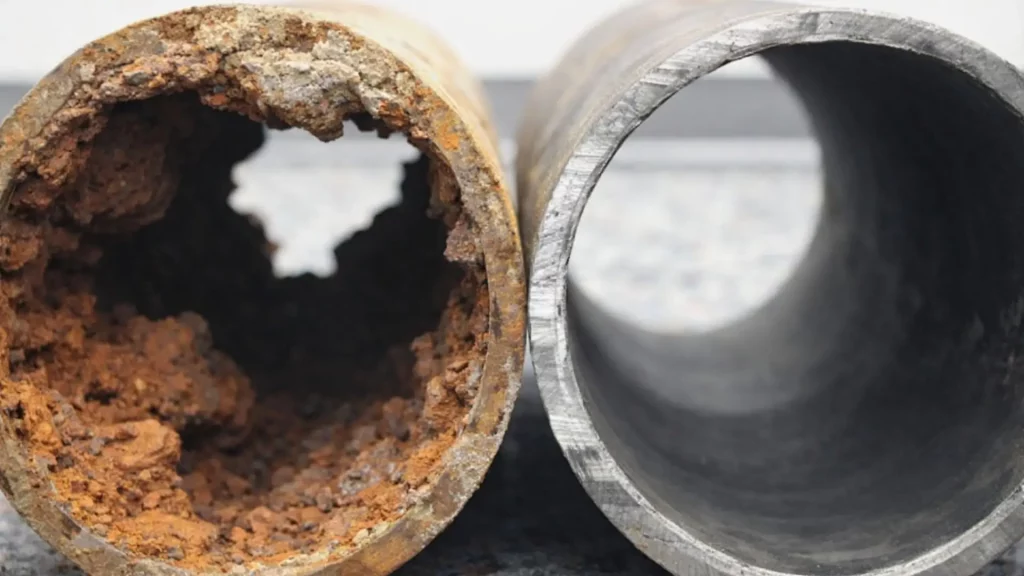
Other causes develop over time, such as mineral buildup inside pipes or small hidden leaks. Less commonly, more serious problems like underground pipe damage or supply system issues can occur.
Low Water Pressure in Home With Well Systems
If your home uses a well system, the cause of low water pressure is often different from city water homes.
Well systems rely on mechanical components, which means pressure issues often come from:
- A failing well pump
- Pressure tank issues
- Sediment buildup
- Low water table levels
In these systems, checking the pump and tank is usually more important than checking the pipes.
Very Low Water Pressure in House: When It Becomes Serious
Very low water pressure, typically below 30 PSI, is a sign of a deeper issue.
You may notice extremely weak flow, inconsistent water delivery, or appliances not working properly. This often indicates a failing regulator, major blockage, or system-wide issue.
At this stage, delaying repairs can lead to bigger problems.
How to Fix Low Water Pressure in House
Once you understand the cause, fixing the issue becomes easier.
Start with simple fixes like cleaning fixtures, opening valves fully, and checking for leaks. These steps solve a large number of cases. If the issue continues, you may need to adjust or replace the pressure regulator or repair leaks. For more complex problems like pipe damage or underground issues, professional repair is usually required.
Real-Life Scenarios That Help You Identify the Problem
- If your water pressure dropped overnight, it’s usually linked to a valve issue, leak, or supply problem.
- If the pressure has been getting worse over time, buildup or aging pipes are often the cause.
- If there is no water pressure in a well-based home, the issue is often related to the pump or pressure tank.
- If only one fixture is affected, the problem is almost always localized.
When You Should Call a Professional
Some situations require professional help to avoid further damage.
- The issue affects the entire house
- There is no water pressure at all
- Pressure levels are extremely low
- Basic troubleshooting has not worked
In these cases, it’s best to act early rather than wait.
How to Prevent Low Water Pressure in the Future
Most pressure problems build up over time, which means they can often be prevented.
- Clean fixtures regularly to prevent buildup
- Monitor your home’s water pressure
- Schedule periodic plumbing inspections
- Replace aging components when needed
Regular maintenance goes a long way in avoiding sudden issues.
Quick Recap
Start with simple checks like valves and fixtures. If the problem is widespread, look at the main supply or regulator. If there is no water at all, treat it as urgent. And if your home uses a well, focus on the pump system first.
FAQs About Low Water Pressure
Why is my water pressure suddenly low in my house?
Sudden drops are usually caused by a partially closed valve, a hidden leak, or a temporary issue with the water supply. Checking valves and nearby supply conditions should be your first step.
What is the normal water pressure for a house?
Most homes operate between 40 and 60 PSI. Anything below that can cause noticeable performance issues, and pressure below 30 PSI may indicate a serious problem.
Why is my whole house experiencing low water pressure?
If all fixtures are affected, the issue is usually related to the main supply line, pressure regulator, or a city water problem rather than individual fixtures.
Why do I have no water pressure in my house from a well?
In well systems, this is often caused by a failing pump, pressure tank issues, or low water levels. These systems rely on mechanical components rather than direct supply pressure.
How can I fix low water pressure in my house quickly?
Start by cleaning aerators, checking valves, and inspecting for leaks. If these steps do not resolve the issue, testing pressure levels and inspecting system components is the next step.