Indoor air quality plays a major role in the comfort and health of your home. While most homeowners focus on air filters and routine HVAC maintenance, many overlook one technology that can significantly improve indoor air conditions: HVAC UV lights.
Installed inside the HVAC system, UV lights help reduce the growth of mold, bacteria, and other harmful microorganisms that often develop in dark, damp areas of the unit. By keeping the system cleaner, these lights help improve airflow, support healthier indoor air, and enhance overall HVAC performance.
What Are HVAC UV Lights?
HVAC UV lights are ultraviolet light systems designed specifically for heating and cooling equipment. These systems typically use UV-C light, a type of ultraviolet light known for its ability to neutralize microorganisms.
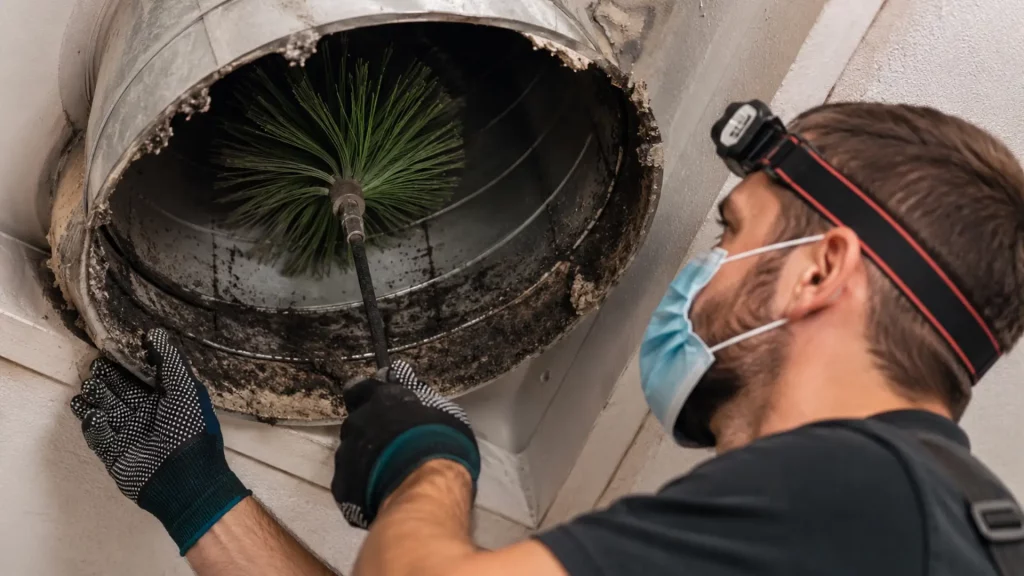
The lights are commonly installed near evaporator coils, drain pans, or inside ductwork where moisture buildup is most common. These areas can become breeding grounds for mold and bacteria if not properly maintained.
Unlike portable air purifiers, HVAC UV lights work directly within the system itself, targeting contaminants before they circulate throughout the home.
How HVAC UV Lights Work
UV-C light works by damaging the DNA structure of microorganisms such as mold spores, bacteria, and viruses. Once exposed to the light, these contaminants lose their ability to grow and reproduce.
Inside an HVAC system, the UV light continuously treats surfaces and passing airflow. This process helps reduce biological buildup on critical components and limits the spread of airborne pollutants through the duct system.
Over time, this creates a cleaner HVAC environment that supports better indoor air quality.
Why Indoor Air Quality Matters
Many people spend most of their time indoors, making indoor air quality an important part of daily comfort and wellness. Poor air quality can contribute to allergy symptoms, respiratory irritation, unpleasant odors, and general discomfort.
HVAC systems can circulate dust, pet dander, mold spores, and airborne bacteria throughout the home if contaminants begin building inside the unit. Moisture around cooling components can make the problem worse by encouraging microbial growth.
Improving indoor air quality helps create a cleaner and healthier living environment while also supporting more efficient HVAC operation.
Key Benefits of HVAC UV Lights
1. Cleaner Indoor Air
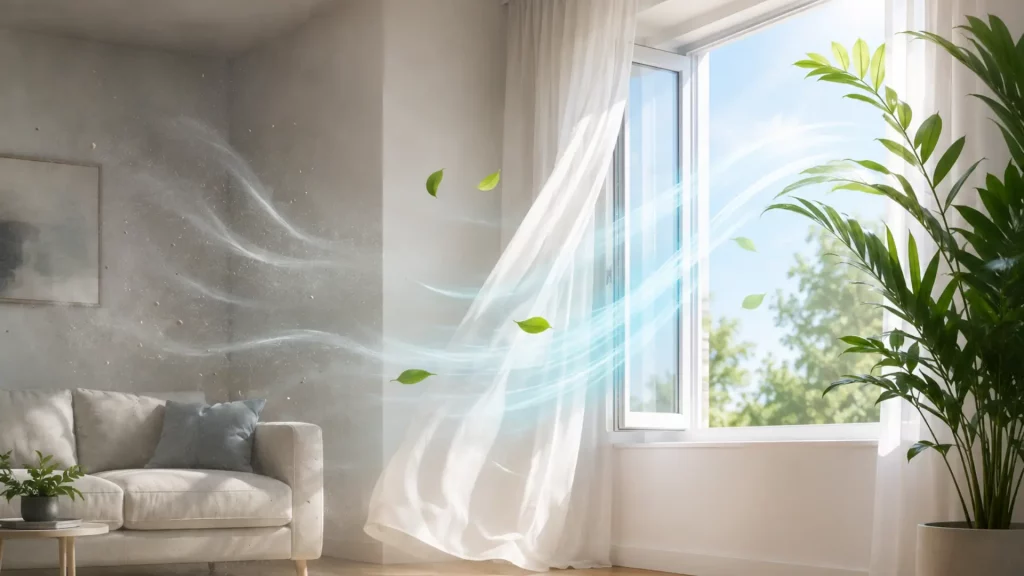
One of the biggest advantages of HVAC UV lights is cleaner indoor air. By reducing airborne microorganisms inside the system, UV lights help limit contaminants that move through your vents and living spaces. This can create a fresher indoor environment and improve overall comfort throughout the home.
2. Helps Prevent Mold and Bacteria Growth
Cooling systems naturally produce condensation, especially during warmer months. Moisture that collects around evaporator coils and drain pans can lead to mold and bacterial growth if left untreated.
UV lights help control this buildup by continuously treating these high moisture areas. Preventing microbial growth inside the HVAC system can reduce contamination and protect system components from excessive buildup.
3. Supports Allergy and Respiratory Relief
Airborne pollutants can worsen allergy symptoms and respiratory discomfort for sensitive individuals. HVAC UV lights help reduce some of the biological contaminants that commonly affect indoor air quality.
While they are not a substitute for medical treatment, UV lights can support a healthier indoor environment for people dealing with allergies, asthma, or other respiratory concerns.
4. Reduces Unpleasant Indoor Odors
Persistent musty odors are often caused by mold, mildew, or bacteria growing inside HVAC components. Since UV lights target these contaminants directly, they can help reduce odors at the source rather than simply masking them. As the system stays cleaner, the indoor air may smell fresher and more comfortable.
5. Improves HVAC System Efficiency
Biological buildup on evaporator coils can restrict airflow and reduce heat transfer efficiency. When these components stay cleaner, the HVAC system can operate more effectively. A cleaner system may experience less strain during operation, which can support better performance and potentially reduce wear on important components over time.
6. Contributes to a Healthier Home Environment
Cleaner air and a cleaner HVAC system both contribute to a healthier indoor environment. Homes with children, elderly family members, pets, or individuals with respiratory sensitivities often benefit the most from improved indoor air quality solutions.
When combined with proper filtration and regular HVAC maintenance, UV lights provide an additional layer of air quality protection.
Where HVAC UV Lights Are Installed
The placement of HVAC UV lights depends on the type of system and the indoor air quality goals of the homeowner.
In most residential systems, UV lights are installed near the evaporator coil because this area experiences the highest level of moisture buildup. Some systems also include air sterilization lights inside the ductwork to treat moving air before it circulates through the home. Proper installation is important for both safety and effectiveness, which is why professional installation is generally recommended.
Are HVAC UV Lights Safe?
HVAC UV lights are considered safe when installed correctly by qualified professionals. The lights remain enclosed within the HVAC system and are not directly exposed to people inside the home.
Modern UV systems are designed with protective safety features that help prevent accidental exposure during maintenance or servicing.
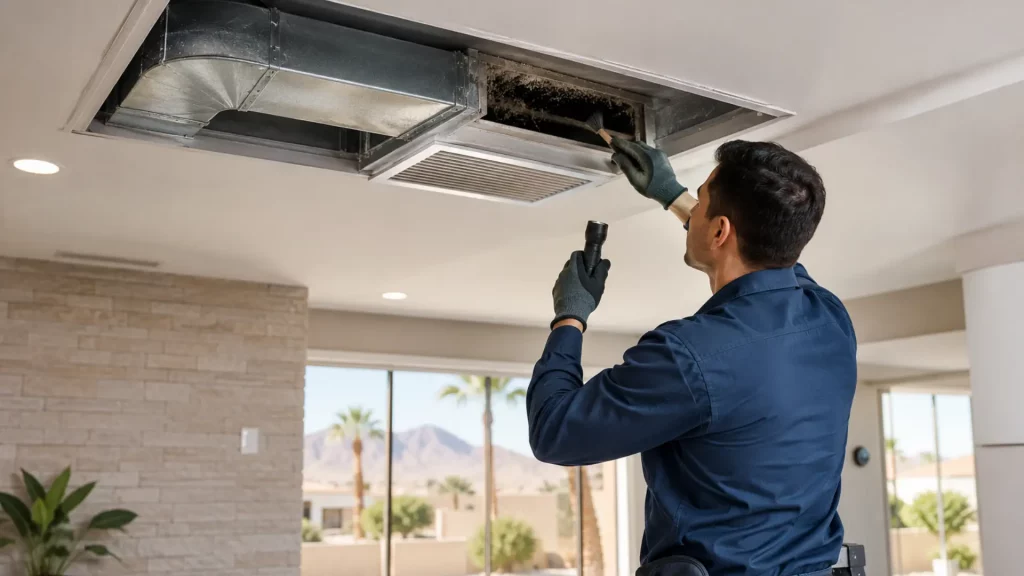
Professional technicians also ensure the lights are positioned correctly for maximum performance and safe operation.
Do HVAC UV Lights Require Maintenance?
Like any HVAC component, UV lights require routine maintenance to continue performing effectively. The bulbs gradually lose strength over time and typically need replacement every one to two years depending on the system and usage.
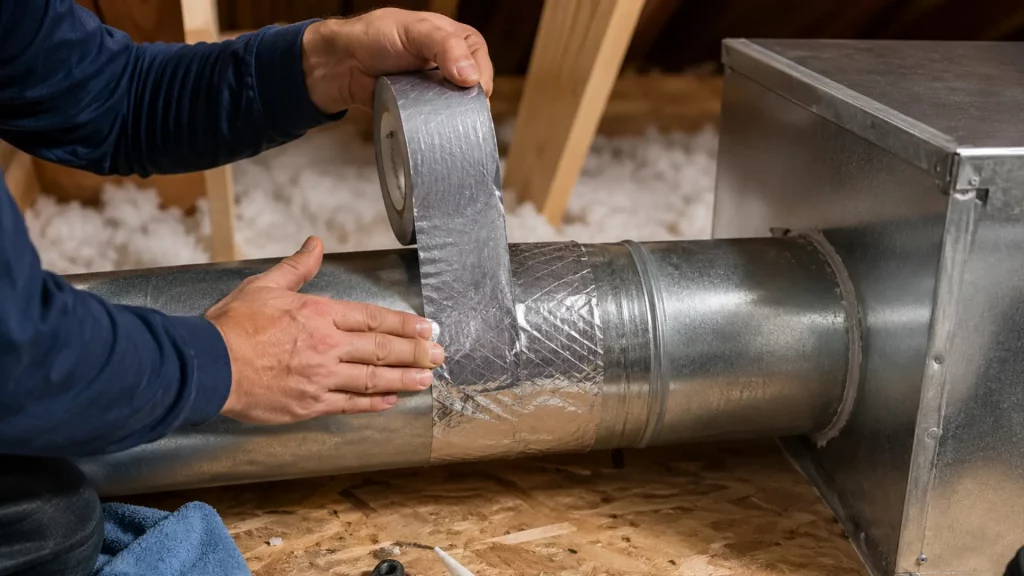
Regular HVAC inspections help ensure the UV system is functioning properly and that other HVAC components remain clean and efficient.
Maintaining the entire HVAC system is essential for achieving the best indoor air quality results.
Who Should Consider HVAC UV Lights?
HVAC UV lights can be beneficial for homeowners who:
- Experience recurring mold or mildew issues
- Want to improve indoor air quality
- Have allergy or asthma concerns
- Live in humid climates
- Own pets
- Notice musty odors from vents
- Want to keep HVAC components cleaner
Homes with high humidity or limited ventilation often see the greatest benefits from UV light installation.
Final Thoughts
HVAC UV lights offer a practical solution for improving indoor air quality and reducing biological buildup inside heating and cooling systems. By targeting mold, bacteria, and other harmful microorganisms, these systems help create cleaner air and support healthier indoor living conditions.
In addition to improving air quality, UV lights can help maintain cleaner HVAC components, improve system performance, and reduce unwanted odors. When combined with regular maintenance and proper filtration, they can become an effective part of a long term indoor air quality strategy.