A sudden increase in your electric bill can be frustrating, especially when your daily energy usage has not changed. In many cases, the problem may be linked to your water heater.
Most homeowners do not realize how much electricity their water heater consumes. In fact, water heating is one of the largest contributors to residential energy costs. When the unit is operating properly, it heats water efficiently and maintains a consistent supply of hot water. However, when the system develops mechanical issues or begins to wear out with age, it must work harder to do the same job. That extra effort results in higher electricity consumption and increased utility costs.
Understanding how a failing water heater affects your electric bill can help you identify problems early and avoid unnecessary expenses.
Why Your Water Heater Has a Major Impact on Your Energy Bill
Your water heater is responsible for heating water used for showers, laundry, dishwashing, and cleaning. Unlike many household appliances that run only occasionally, a water heater operates throughout the day to keep stored water at a set temperature.
Each time the water temperature drops, the thermostat signals the heating elements to turn on. Once the water reaches the desired temperature, the elements shut off. This process repeats continuously.
Because the water heater cycles on and off all day, even a small issue can lead to significant energy waste. If the unit takes longer to heat water or loses heat too quickly, it will consume more electricity than necessary. If your system is older or showing signs of inefficiency, professional water heater repair and replacement services can help restore performance and reduce unnecessary energy use.
How a Bad Water Heater Increases Your Electric Bill
A water heater does not need to stop working completely to affect your utility costs. In many cases, the system still produces hot water, but it does so inefficiently.
Below are the most common problems that cause a water heater to use more electricity.
1. Sediment Buildup Makes the Heater Work Harder
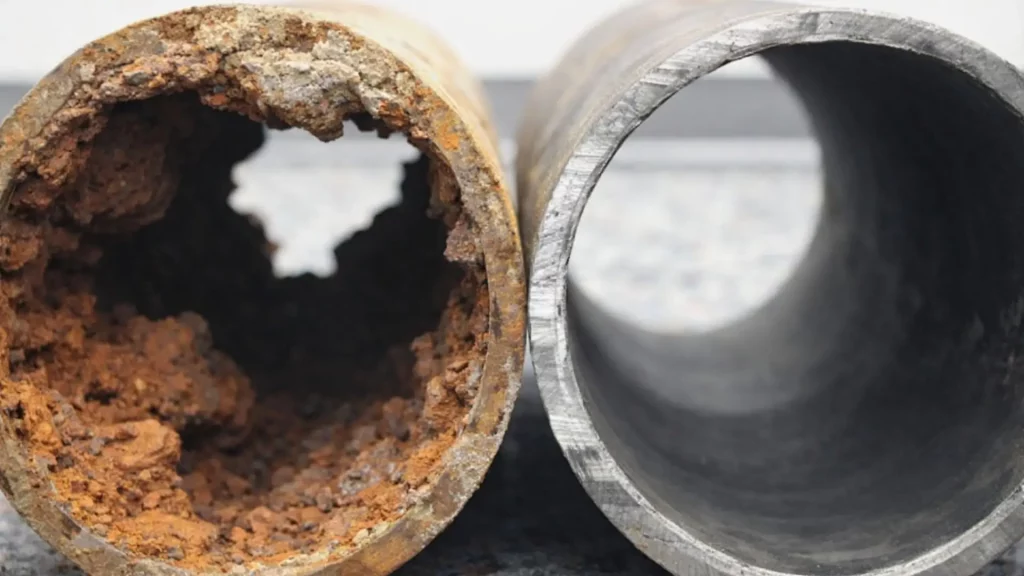
Over time, minerals naturally present in water settle at the bottom of the tank. This is especially common in areas with hard water.
As sediment accumulates, it forms a thick layer between the heating elements and the water. This layer acts as an insulator, preventing heat from transferring efficiently. To compensate, the heating elements must remain on longer to warm the water. The longer they run, the more electricity the unit consumes.
In addition to increasing energy costs, sediment buildup can cause popping or rumbling sounds and shorten the lifespan of the water heater.
2. Faulty Heating Elements Consume Electricity Inefficiently
Electric water heaters typically contain two heating elements that work together to heat the tank.
If one element fails, the remaining element must handle the entire workload. This means the unit runs longer and uses more energy to maintain hot water.
In some situations, a damaged element may continue drawing electricity while producing little or no heat. This can result in unusually high electric bills and poor hot water performance.
3. A Malfunctioning Thermostat Causes Overheating
The thermostat controls when the heating elements turn on and off.
If the thermostat is not functioning correctly, it may keep the elements running longer than necessary or heat the water to a temperature higher than required. For example, water that should be maintained at 120 degrees Fahrenheit may be heated well beyond that setting, wasting energy and increasing operating costs.
4. Poor Insulation Leads to Constant Heat Loss
Water heater tanks are insulated to keep stored water hot between uses.
As the insulation deteriorates over time, heat escapes more quickly. This causes the thermostat to activate the heating elements more often to maintain the desired temperature. Although each heating cycle may seem minor, the cumulative effect can significantly increase your electric bill.
5. Leaks Force the Water Heater to Run Continuously
Even a small leak can have a substantial impact on energy usage.
When hot water escapes from the tank or surrounding connections, cold water enters the system to replace it. The heater must then warm the new water, increasing electricity consumption. If left unresolved, leaks can also lead to water damage and complete tank failure.
6. Older Water Heaters Naturally Become Less Efficient
Water heaters lose efficiency as they age.
Internal corrosion, worn components, mineral buildup, and declining insulation all contribute to reduced performance. As a result, the system consumes more electricity while delivering less reliable hot water. Most conventional water heaters last between 8 and 12 years. Beyond that point, higher operating costs are common.
Warning Signs Your Water Heater May Be Raising Your Electric Bill
Increased energy usage is often accompanied by other noticeable symptoms. Common warning signs include:
- A sudden rise in your electric bill
- Hot water running out more quickly than usual
- Water temperatures that fluctuate unexpectedly
- Popping, rumbling, or crackling sounds from the tank
- Rust-colored or cloudy hot water
- Moisture or standing water around the unit
- The water heater turning on more frequently than before
If you notice several of these issues, your water heater may be operating inefficiently.
How Much Can a Bad Water Heater Increase Your Electric Bill?
The exact impact depends on the condition of the system, household hot water demand, and local electricity rates.
In some cases, inefficiencies may cause only a modest increase in energy costs. In more severe situations, a malfunctioning water heater can add a significant amount to your annual utility expenses. Because the unit runs every day, even a small drop in efficiency can become costly over time.
How to Reduce Energy Costs Caused by a Water Heater
- Flush the Tank Annually: Removing sediment buildup restores efficient heat transfer and reduces strain on the heating elements.
- Replace Faulty Heating Elements or Thermostats: These components are relatively inexpensive to repair and can significantly improve performance.
- Repair Leaks Immediately: Prompt repairs prevent both water waste and unnecessary energy consumption.
- Install Additional Insulation: Insulating older tanks can reduce standby heat loss and improve efficiency.
- Schedule Professional Maintenance: Routine inspections help identify developing problems before they lead to high utility bills.
- Upgrade to a New Energy-Efficient Model: If your water heater is aging or frequently requires repairs, replacement may provide the greatest long-term savings.
When Should You Replace Instead of Repair?
- Replacing your water heater may be the best option if:
- The unit is more than 10 to 15 years old
- Repairs are becoming more frequent
- The tank is corroded or leaking
- Your electric bill continues to rise
- Hot water supply is inconsistent
A modern high-efficiency water heater can reduce energy consumption and improve reliability.
Conclusion
A faulty water heater can have a direct and often significant effect on your electric bill. Sediment buildup, failed heating elements, thermostat issues, leaks, and age-related wear all force the system to use more electricity than necessary.
If your utility costs have increased and your hot water performance has declined, your water heater may be the source of the problem. Addressing issues early through maintenance, repairs, or replacement can restore efficiency, lower energy costs, and ensure a dependable supply of hot water.