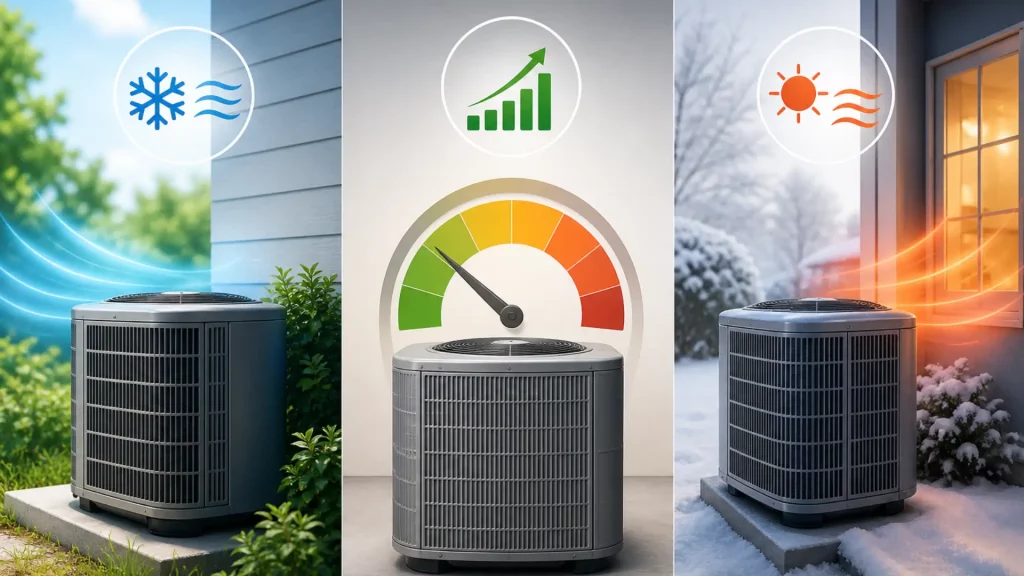
When an air conditioner stops working in the middle of a hot day, it rarely happens at a convenient time. Many homeowners immediately worry about compressor failure or assume the entire unit is nearing the end of its life. Surprisingly, one of the most common reasons an AC system refuses to start is also one of the smallest components inside it: the capacitor.
Although it does not receive much attention, the capacitor is essential to your air conditioner’s performance. When it begins to fail, the system often sends subtle warning signs before a full breakdown occurs. Understanding those signals can help you act early, avoid emergency repairs, and protect your long-term HVAC investment.
This guide walks you through everything homeowners should realistically know about AC capacitor replacement, including how it works, signs of failure, replacement costs, safety considerations, and when professional help becomes necessary.
What Is an AC Capacitor?
An AC capacitor is a device that stores electrical energy and releases it when your air conditioner needs a boost to start its motors. Air conditioning systems rely on multiple motors, especially in the compressor and condenser fan. These components require a surge of electricity to begin operating, and the capacitor delivers exactly that.
Most residential systems use one of the following:
- Start capacitors: Provide the initial burst of power needed to start the compressor or fan motor.
- Run capacitors: Maintain a steady electrical flow that keeps the motors operating efficiently throughout the cooling cycle.
- Dual-run capacitors: Support both the compressor and fan at the same time in many modern systems.
Without a properly functioning capacitor, motors struggle to start, efficiency drops, and internal components experience unnecessary strain. Over time, this strain can lead to expensive failures. Proper system sizing also plays a role in preventing electrical stress, which is why homeowners should understand how capacity impacts performance. If you are unsure whether your equipment is correctly sized, this AC sizing guide explains what to look for.
Signs Your AC Capacitor May Be Failing
Capacitors rarely fail without warning. In many homes, the system continues running while performance gradually declines. Recognizing the early symptoms can prevent a minor repair from turning into a major service call.
Watch for these common indicators:
- Warm air coming from vents: If the AC is running but not cooling effectively, the compressor may not be starting correctly.
- Humming from the outdoor unit: This often signals that the system has power but cannot activate the motor.
- Hard starts or delayed startup: When the unit hesitates before turning on, the capacitor may be losing its ability to hold a charge.
- Unexpected shutdowns: Overheating caused by electrical stress can force the system to power off.
- Higher energy bills: An inefficient system runs longer cycles, increasing monthly costs.
- Visible swelling or leaking: A bulging capacitor is a strong sign replacement is overdue.
Some symptoms can overlap with other AC problems. For example, if your system suddenly stops after a storm, the issue might be related to electrical disruption rather than component wear. This guide on why your AC is not working after a power outage can help you narrow down the cause.
Why Do AC Capacitors Fail?
Like any electrical component, capacitors wear down over time. However, certain conditions accelerate that process.
Heat exposure is the leading cause. Outdoor condenser units operate in direct sunlight and extreme temperatures, slowly degrading the capacitor’s internal materials.
Power fluctuations are another major contributor. Lightning strikes, grid instability, and sudden voltage spikes can damage capacitors instantly. In some cases, these electrical issues may even cause your AC unit to trip the breaker, signaling a problem that should be inspected quickly.
Age also matters. Most capacitors last between 8 and 12 years, though systems in warmer climates often see shorter lifespans simply because they run more frequently.
Additional factors that increase wear include:
- Frequent on-and-off cycling
- Poor maintenance
- Dirty condenser coils that trap heat
- Incorrect capacitor sizing from prior repairs
How Much Does AC Capacitor Replacement Cost?
One reason technicians check capacitors early during diagnostics is because replacement is relatively affordable compared to many other HVAC repairs.
Most homeowners typically pay between $120 and $400 for professional replacement. The final price depends on several variables:
- Type and rating of the capacitor
- System brand compatibility
- Local labor costs
- Accessibility of the unit
- Emergency or after-hours service
If you are comparing repair estimates, it helps to understand how this fits into broader HVAC expenses. This breakdown of average AC repair costs provides helpful context before scheduling service.
Should You Replace an AC Capacitor Yourself?
The internet is filled with DIY repair videos that make capacitor replacement look simple. In reality, the process carries serious electrical risk.
Capacitors store energy even after the system has been shut off, and that stored charge can cause significant injury if discharged improperly. For homeowners without electrical training, this is not an ideal weekend project.
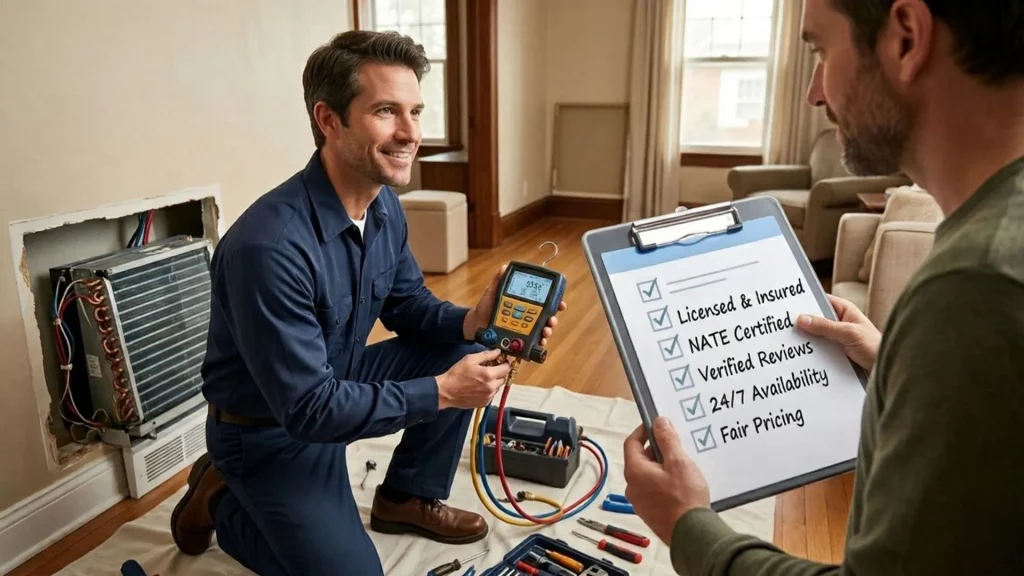
Hiring a licensed HVAC technician provides several important advantages:
- Accurate confirmation that the capacitor is truly the problem
- Proper matching of voltage and microfarad ratings
- Safe handling of stored electricity
- Inspection of nearby components that may also be wearing down
If your system is older, you may also wonder whether fixing individual components is still worthwhile. This detailed comparison of AC repair vs. replacement can help guide that decision.
What Happens During Professional Capacitor Replacement?
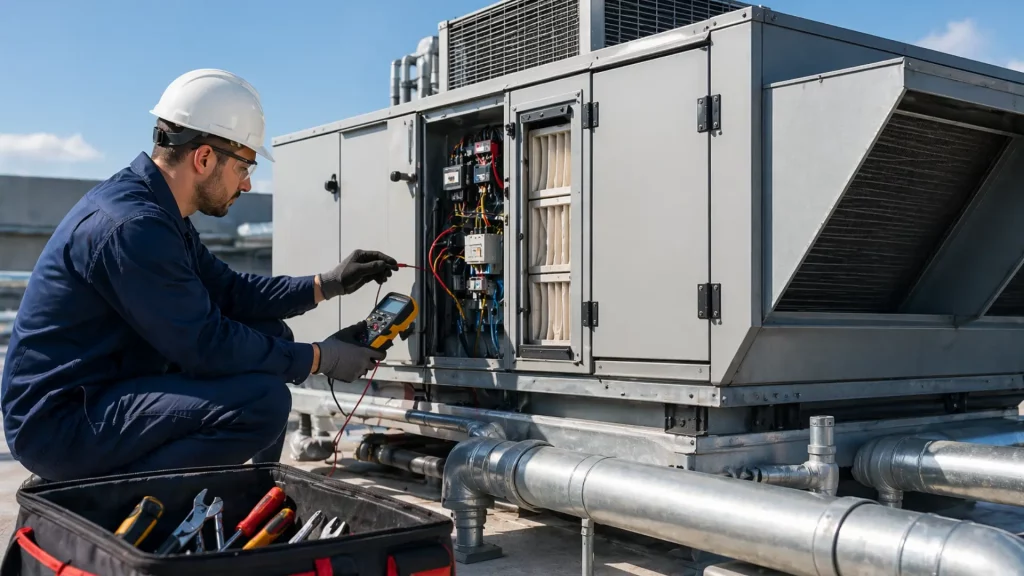
A typical service visit is straightforward but thorough. Technicians focus not just on replacing the failed component but on ensuring the entire system operates safely.
- Disconnecting all power to create a safe working environment
- Testing the capacitor with specialized meters
- Removing the failed component
- Installing a manufacturer-approved replacement
- Restarting and monitoring the system
- Checking surrounding electrical parts for early signs of failure
In many cases, the entire appointment takes less than an hour while restoring full cooling performance.
How Long Does a New AC Capacitor Last?
A newly installed capacitor generally lasts 8 to 15 years, depending on climate, maintenance habits, and system workload.
To extend longevity, homeowners should prioritize:
- Annual HVAC tune-ups
- Keeping the outdoor unit clean and unobstructed
- Installing surge protection
- Using realistic thermostat settings to avoid overworking the system
Ignoring maintenance can sometimes lead to secondary issues such as moisture buildup. If you notice water around your indoor unit, this guide on why an AC might be leaking water explains the possible causes.
When Should You Call a Technician Immediately?
Some AC issues should never be ignored. Turning the system off and contacting a professional is the safest decision if you notice:
- Burning odors
- Smoke near the condenser
- Loud buzzing noises
- Repeated circuit breaker trips
- Sudden loss of cooling during extreme heat
Unusual smells can also indicate internal problems. If the air coming from your vents smells damp or dirty, learn what it means and how to respond in this article about musty AC odors.
Repair the Capacitor or Replace the AC?
If your air conditioner is otherwise reliable, replacing a failed capacitor is usually the most cost-effective solution.
However, if your system is approaching 12 to 15 years old and repairs are becoming frequent, it may be worth discussing replacement options with a trusted HVAC professional. Modern air conditioners offer improved energy efficiency, quieter performance, and smarter temperature control, which can reduce long-term operating costs.
Final Thoughts
An AC capacitor may be small, but its role in your cooling system is anything but minor. When it begins to fail, your air conditioner loses the electrical support it needs to operate efficiently.
The key is recognizing warning signs early. Addressing capacitor issues before they escalate can prevent uncomfortable breakdowns, reduce repair costs, and extend the life of your HVAC system.
If your air conditioner is struggling to start, producing unusual sounds, or no longer cooling like it once did, scheduling a professional inspection is a practical next step. Reliable comfort often depends on the health of components most homeowners never see.
Frequently Asked Questions
Can an AC run with a bad capacitor?
Some air conditioners may continue running briefly with a weak capacitor, but doing so forces the motors to work harder than intended. This added strain can quickly damage the compressor, turning a small repair into a costly one. If capacitor failure is suspected, shutting the system off and scheduling service is the safest approach.
How long does it take to replace an AC capacitor?
In most residential systems, professional replacement takes between 30 and 60 minutes. The process is relatively quick, but proper testing and safety procedures ensure the repair is completed correctly.
Is a bad capacitor considered an emergency?
Not always, but it can become urgent during extreme heat if cooling stops completely. Homes with children, older adults, or pets should treat a total loss of air conditioning as a priority repair.
Do AC capacitors fail suddenly or gradually?
Both scenarios are possible. Many capacitors weaken over time, causing delayed startups and reduced efficiency. Others fail instantly after a power surge or overheating event. Routine maintenance helps detect gradual wear before it leads to system failure.
How can I tell if the capacitor is the problem and not another AC issue?
Symptoms like humming, hard starts, and warm airflow often point toward capacitor trouble, but accurate diagnosis requires electrical testing. Because multiple components interact within an HVAC system, a professional evaluation is the most reliable way to confirm the cause.