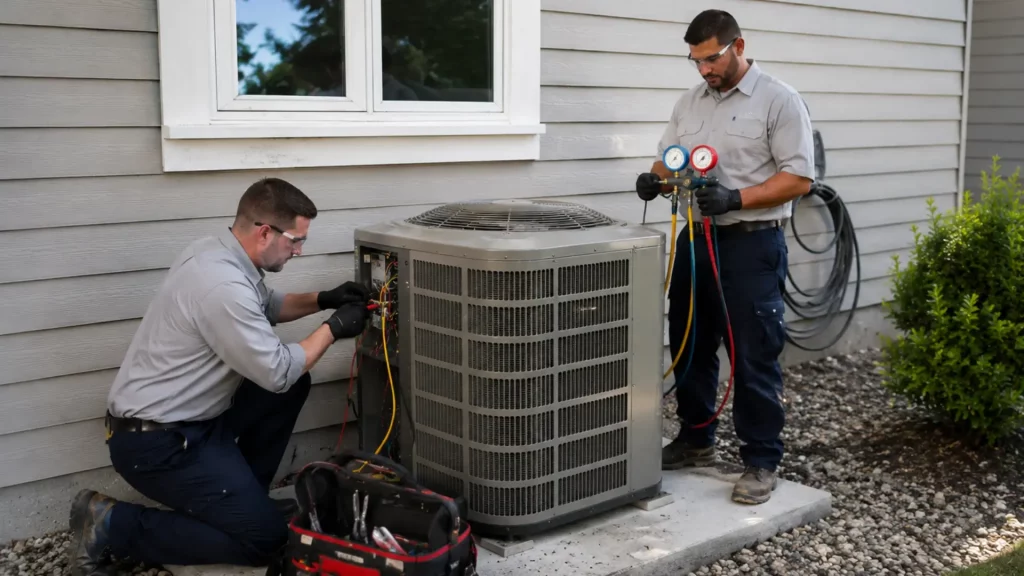
Air conditioners rarely fail without warning. Most breakdowns are the result of skipped maintenance, rushed servicing, or incomplete inspections. A professional AC service is not just about cleaning filters or topping up gas. It is a detailed process that ensures performance, efficiency, and long-term reliability.
If you want to avoid repeat repairs, high electricity bills, and sudden failures in peak summer, it is important to understand what a proper AC maintenance service should include.
Why Professional AC Maintenance Matters
Many homeowners rely on basic servicing or local quick fixes. While these may offer temporary relief, they often miss deeper issues. A trained technician follows a structured process that checks every critical component of the system.
Proper maintenance helps in:
- Improving cooling efficiency
- Reducing energy consumption
- Preventing major breakdowns
- Extending the lifespan of the unit
- Maintaining indoor air quality
Ignoring maintenance leads to gradual performance loss, which often goes unnoticed until the system stops working.
Complete AC Maintenance Checklist
A professional service follows a comprehensive checklist. Here is what should always be included.
1. Air Filter Inspection and Cleaning
The air filter is the first point of contact for dust and pollutants. Over time, it gets clogged and restricts airflow.
A proper service includes:
- Removing and cleaning filters thoroughly
- Checking for damage or wear
- Replacing filters if necessary
A dirty filter reduces cooling efficiency and forces the system to work harder, increasing electricity usage.
2. Evaporator Coil Cleaning
The evaporator coil absorbs heat from indoor air. Dust buildup on the coil reduces its ability to cool effectively.
Professional servicing includes:
- Deep cleaning of evaporator coils
- Removal of dirt, mold, and debris
- Checking for corrosion or damage
This step directly impacts cooling performance.
3. Condenser Coil Cleaning
The outdoor unit releases heat into the environment. If the condenser coil is dirty, heat transfer becomes inefficient.
A technician should:
- Clean the condenser coil using proper tools
- Remove debris like leaves, dust, and dirt
- Ensure proper airflow around the unit
This helps the system maintain optimal performance even during extreme temperatures.
4. Refrigerant Level Check
Low refrigerant is one of the most common causes of poor cooling.
A professional service includes:
- Checking refrigerant levels
- Identifying leaks if levels are low
- Refilling refrigerant as per manufacturer specifications
Simply topping up gas without fixing leaks is not proper servicing.
5. Drain Line and Drain Pan Cleaning
AC units remove moisture from the air, which flows through the drain system. Blocked drain lines can cause water leakage and mold growth.
Proper maintenance includes:
- Cleaning the drain pipe
- Clearing any blockages
- Checking for water leakage issues
This prevents water damage and improves indoor air quality.
6. Electrical Component Inspection
Faulty electrical connections can lead to system failure or even safety risks.
A technician should:
- Inspect wiring and connections
- Tighten loose terminals
- Check capacitors and relays
- Measure voltage and current levels
This ensures safe and stable operation.
7. Thermostat Calibration
An inaccurate thermostat can cause uneven cooling or higher energy usage.
Professional servicing includes:
- Checking thermostat accuracy
- Calibrating settings if required
- Ensuring proper communication with the system
This helps maintain consistent indoor temperature.
8. Blower and Fan Inspection
The blower and fan are responsible for air circulation. Any issue here directly affects cooling.
Checklist includes:
- Cleaning blower components
- Inspecting fan blades for damage
- Checking motor performance
Smooth airflow is essential for effective cooling.
Also Read: AC Blowing Warm Air?
9. Ductwork Inspection (If Applicable)
For central AC systems, duct condition plays a major role in performance.
A proper service may include:
- Checking for leaks or blockages
- Inspecting insulation
- Identifying airflow issues
Leaky ducts can lead to significant energy loss.
10. System Performance Testing
After completing all checks, the technician should test the system.
This includes:
- Measuring cooling output
- Checking airflow levels
- Monitoring system cycles
- Identifying unusual noise or vibration
This step confirms whether the system is running efficiently.
Signs Your AC Service Was Not Done Properly
Not all servicing is equal. If you notice the following after a service, it may have been incomplete:
- Cooling did not improve
- AC is still consuming high electricity
- Strange noises continue
- Water leakage persists
- Frequent on and off cycles
These are indicators that important steps were skipped.
How Often Should You Get AC Maintenance Done
For most households, servicing should be done:
- At least once before the summer season
- Twice a year for heavy usage areas
Regular servicing prevents emergency breakdowns and keeps performance consistent.
Choosing the Right AC Service Provider
A proper checklist is only effective if handled by a skilled technician. Even the best maintenance plan fails if the service provider cuts corners or lacks technical knowledge.
When selecting a service provider, consider:
- Experience and technical expertise
- Use of proper tools and equipment
- Transparent process and pricing
- Clear explanation of work performed
A reliable company will not just complete the job but also help you understand the condition of your AC and any potential issues.
For homeowners looking for a dependable and professional approach, Call Gunny’s stands out for its structured maintenance process and trained technicians. Their services focus on thorough inspections rather than quick, surface-level cleaning, ensuring your system performs efficiently over time.
Avoid services that focus only on quick cleaning or low-cost offers without detailing what is included. These often skip critical steps, leading to recurring issues and higher long-term costs.
Final Thoughts
AC maintenance is not a basic cleaning task. It is a detailed process that covers multiple components working together. Missing even one critical step can lead to reduced performance and costly repairs.
Understanding this checklist helps you make informed decisions and ensures you get the service you are paying for. A well-maintained AC not only cools better but also runs efficiently for years.
If your current service does not cover these steps, it may be time to reconsider your maintenance approach.
Frequently Asked Questions
How often should I service my AC?
For most homes, servicing your AC at least once a year is recommended, ideally before the summer season. If the unit is used heavily or runs almost daily, scheduling maintenance twice a year helps maintain efficiency and prevent breakdowns.
How long does a professional AC service take?
A proper AC maintenance service usually takes between 45 minutes to 1.5 hours, depending on the type and condition of the unit. Quick 15–20 minute services often skip important checks and are not considered thorough.
Does AC servicing reduce electricity bills?
Yes. A well-maintained AC runs more efficiently, consumes less power, and cools faster. Dirty coils, clogged filters, or low refrigerant levels force the system to work harder, increasing electricity usage.
What is the difference between basic cleaning and professional maintenance?
Basic cleaning usually includes filter washing and surface cleaning. Professional maintenance covers a complete inspection, coil cleaning, refrigerant check, electrical inspection, and performance testing. It is a more detailed and technical process.
How do I choose the right AC service provider?
Look for experienced technicians, a clear maintenance checklist, transparent pricing, and proper tools. Trusted providers like Call Gunny’s follow a structured servicing approach and focus on long-term performance rather than quick fixes.
What happens if I skip regular AC maintenance?
Skipping maintenance can lead to poor cooling, higher electricity bills, frequent breakdowns, and reduced lifespan of the unit. In many cases, it results in costly repairs that could have been avoided with regular servicing.